
Idea 1
The Quiet Power of Introverts
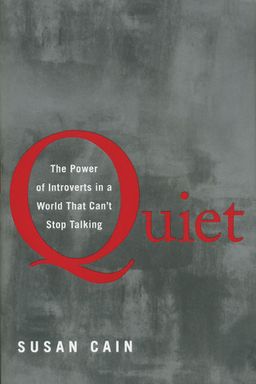
Have you ever felt pressured to be louder, more outgoing, or endlessly social—just to fit in? Quiet Power: The Secret Strengths of Introverts by Susan Cain contends that the quiet temperament millions of people share is not a weakness but a hidden superpower. Cain challenges the cultural notion she calls the “Extrovert Ideal”—the belief that charisma and sociability are the keys to success—and instead argues that introverts possess deep focus, empathy, creativity, and resilience that can change the world when recognized and nurtured.
Throughout Quiet Power, Cain blends psychological research, her personal story, and the experiences of young people—students, athletes, artists, and activists—to show how introspection and gentleness can coexist with strength and leadership. When she first wrote her adult bestseller Quiet: The Power of Introverts in a World That Can’t Stop Talking, thousands of readers told her how transformative it was to realize that being quiet wasn’t something to fix. This follow-up for younger readers carries that message into classrooms, cafeterias, friendships, and families—places where quiet kids often feel invisible or misunderstood.
Redefining Introversion
Cain explains that introverts recharge by being alone and tend to focus inward on feelings and ideas, while extroverts thrive on stimulation and group energy. But it’s not a binary choice: many people fall somewhere in the middle as ambiverts. Understanding this natural variety helps you see personality as a spectrum, not a set of boxes. She makes careful distinctions between shyness and introversion—the former rooted in fear of judgment, the latter grounded in preference for quiet thought. Where society often interprets silence as weakness, Cain calls it “thinking time,” and cites psychological studies showing introverts are more reactive to sensory input, which explains why crowded cafeterias and loud parties can feel overwhelming.
The Hidden Advantages
From Gandhi’s gentle protests to Apple cofounder Steve Wozniak’s solitary invention sessions, Cain shows how countless breakthroughs emerged from solitude. Introverts have the patience to master skills through “lonely work”—the practice of concentrated effort. In classrooms, they may not speak first, but when they do, their ideas are often insightful. In friendships, they build loyalty and empathy by listening deeply. And in leadership, they often outperform extroverts because their calm focus and openness to others’ ideas foster collaboration. This message empowers quiet teens to see their sensitivity not as fragility but as awareness that can guide them wisely through chaos.
Stretching Without Snapping
Cain also stresses flexibility—the “rubber band theory of personality.” You can stretch beyond comfort zones, speaking up in class or performing on stage, but you must return to solitude to recharge. Rather than forcing yourself to become an extrovert, you can act like one when a project, passion, or cause demands it. The goal isn’t transformation but balance. Introverts thrive when they learn to toggle between exposure and rest, knowing when to speak and when to listen. That rhythm is the essence of quiet power.
Why It Matters
As Cain reminds us, about one-third to one-half of people are introverted—so every school, workplace, or family includes many who gain energy through reflection. When these strengths are recognized—observational intelligence, conscientiousness, creativity—social dynamics shift from valuing volume to valuing thought. In contrasting stories like Davis, a shy middle-schooler who becomes student body president by focusing on ideas rather than charisma, and Laurie, a quiet track captain who leads through empathy, Cain demonstrates how introverts rise when their environments stop demanding performance and start welcoming presence.
Ultimately, Quiet Power offers an invitation: to stop apologizing for being inward and thoughtful, and to use that quiet to connect and create meaningfully. It’s a manifesto for living authentically in a loud world—showing you that stillness doesn’t mean passivity. It’s the foundation of creativity, courage, and leadership done the gentle way.