
Idea 1
Thriving as an Unofficial Project Manager
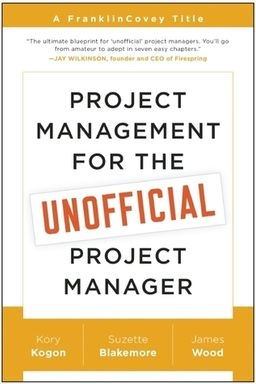
Have you ever suddenly found yourself in charge of a project—with no formal training, no project manager title, and maybe no idea what you’re doing? That feeling, equal parts excitement and panic, defines what Kory Kogon, Suzette Blakemore, and James Wood call the reality of the unofficial project manager. In their book Project Management for the Unofficial Project Manager, they argue that in today’s project-driven workplace, nearly everyone is a project manager, whether their job title says so or not. If you organize people, deadlines, and deliverables, you’re managing projects—and success depends on leading with trust, clarity, and steady process.
The authors begin by painting a vivid picture of the new project economy. As expert Antonio Nieto-Rodriguez notes, job descriptions are giving way to project descriptions. Businesses, schools, and governments increasingly deliver value through projects—and yet most fail spectacularly. Two out of three projects worldwide don’t meet their goals. Why? Because so many of us are doing it by the seat of our pants, without the principles or tools to manage effectively. The authors contend that great project management isn’t reserved for elite professionals with certifications; it’s a learnable discipline rooted in universal principles.
The Core Argument: Principles over Processes
Kogon and her coauthors distill the sprawling world of project management into three governing principles: Create Value, Lead People, and Manage Processes. Every technique or methodology—from Waterfall to Agile—ultimately supports these three goals. The book essentially acts as a practical guide to survive and excel when you’ve been thrust into project leadership without formal authority. It insists that structured process matters, but not as much as character, communication, and clarity. Emotional maturity, not just technical skill, drives project success (a finding echoed in the Standish Group’s research).
They emphasize that principles outlast every fad or framework. You don’t need to memorize hundreds of PMBOK guidelines or drown in jargon. Instead, if you clarify value, build trust with people, and manage your process simply, you’ll transform chaos into steady progress. In their words, complex projects don’t fail because of complexity—they fail because managers forget the simple things.
Why It Matters Today
The world has shifted toward collaboration and constant change. People no longer work in isolation; we work in cross-functional teams facing daily whirlwind duties. The rise of hybrid work, rapid technology cycles, and global competition means everyone must lead projects, often informally. The James Webb Space Telescope, used as an opening metaphor, shows what happens when poor project management derails even brilliant technical achievements—years of delay, billions overspent, and pain that could have been prevented with clarity and process.
The authors suggest that operations keep the lights on, strategy provides direction, and project management is the train engine driving real movement. Whether you’re a teacher designing a curriculum, a marketer launching a campaign, or a parent organizing a wedding, you’re managing projects. This book argues that success—professional and personal—depends on mastering the art of project management basics.
What You’ll Learn
Across seven chapters, the book walks through a streamlined FranklinCovey process derived from both traditional and Agile methods:
- Scoping the project to define shared, measurable expectations and avoid “blindfolded wandering.”
- Planning with risk strategies and clear scheduling tools like the Work Breakdown Structure.
- Engaging the team through accountability sessions and emotionally mature leadership.
- Tracking and adapting to change with agility rather than fear—turning chaos into course corrections.
- Closing strongly—to compile lessons learned, deliver measurable value, and celebrate achievements.
Throughout, recurring stories—like scientist Hedda Rising battling bureaucracy in Oslo or HR director Olivia guiding her company into hybrid work—illustrate how ordinary leaders apply these tools under pressure. These narratives make abstract principles tangible: scoping equals seeing clearly, planning equals preparing for risk, engaging equals nurturing accountability, and adapting equals learning fast.
The Larger Message: Informal Authority in Action
Finally, the authors insist the most powerful form of leadership isn’t from titles—it’s from informal authority. Unofficial project managers rarely command by position; they lead through trust, respect, and consistent behavior. Practicing the Five Foundational Behaviors—Listen First, Clarify Expectations, Extend Trust, Practice Accountability, and Demonstrate Respect—builds the credibility that replaces hierarchy. These interpersonal habits are the glue that turns diverse contributors into a disciplined, cooperative team.
Ultimately, the book helps you see project management not as bureaucracy but as clarity and care in action. If you adopt its principles, you won't just finish tasks—you'll lead people through purposeful, efficient journeys that create real value. Project management becomes a mirror for self-leadership: the art of bringing out your best work and inspiring the best in others.