
Idea 1
Pricing for Profit: Why Small Changes Create Big Wins
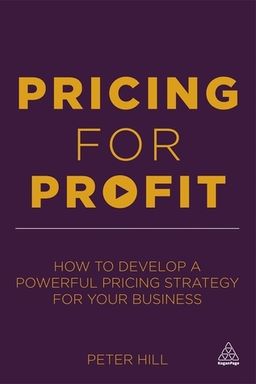
Have you ever wondered why, despite working harder and selling more, your profits still feel stuck? In Pricing for Profit, Peter Hill argues that the answer lies not in chasing more sales or cutting costs—but in mastering the underestimated art of pricing. The book’s central claim is disarmingly simple: a small, well-implemented price increase can double your bottom line faster than any other strategy. Yet, most businesses overlook this because raising prices triggers fear, myths, and emotional resistance. Hill wants you to see pricing not as a danger zone but as the most powerful, controllable lever for profit growth.
Throughout the book, Hill walks through the psychology, math, and management of pricing. He begins by showing how minor improvements in prices outperform equal gains in volume or cost-cutting—what he calls the “pricing multiplier effect”. Then he dismantles common myths: that customers only want the cheapest, that discounts drive loyalty, and that price rises always mean lost business. He bridges theory with real stories—from family-run theme parks to national wholesalers—to reveal the habits that secretly erode margins. Finally, Hill delivers an actionable system to build a skilled “pricing culture,” train your salespeople, and implement practical tools to measure and manage prices daily.
Why Pricing Beats Every Other Growth Lever
Most businesses focus on increasing sales or reducing costs. But Hill uses a simple “Five Ways to Grow” framework to show that only one—raising prices—creates direct, exponential profit growth. In a company earning £1 million in revenue, he shows that a modest 2% increase in price boosts profit by 40%. Few managers realize how little of a sales drop would offset that gain. Price changes hit the bottom line immediately because they don’t require new marketing, equipment, or hiring; they demand courage and clarity instead.
Even small firms that fear price hikes often discover that customers barely notice or care. Hill’s case study of Dr. Fun’s Amusement Park is striking: when forced to raise entry prices by 20%, the family feared disaster. Instead, attendance held steady, and profits jumped from losses to £150,000. When they added a “free return visit within 7 days,” revenues grew even further because repeat visitors bought snacks and souvenirs. Hill’s lesson? Raising prices works best when you pair it with added value, not apology.
The Psychology Behind Pricing Fear
If price increases are so effective, why do so few leaders attempt them? Hill identifies three deep-rooted barriers: fear of confrontation, emotional memory of past complaints, and lack of financial literacy. Most decision-makers, from CEOs to sales clerks, are “unconsciously incompetent” about pricing—they simply don’t realize what they don’t know. They dwell on the one customer who yelled about price rather than the 99% who paid happily. And without understanding concepts like margin versus markup, they discount freely, believing they’re doing customers (and themselves) a favor.
This fear-driven pricing behavior compounds over time. Salespeople like “Derrick,” one of Hill’s recurring examples, become heroes to customers by giving the biggest discounts—yet silently cost the company thousands. Hill shows that this “desire to please” must be retrained into a “desire to profit,” supported by controls, data, and incentives. Emotional discipline matters more than spreadsheets.
From Myths to Measurable Strategy
Hill dismantles the myths that paralyze pricing strategy. Customers do not always pick the cheapest option (think of supermarkets, cars, or plumbers); loss leaders rarely lead to gains; and round-number pricing or “9 endings” no longer have real psychological magic. Instead, smart pricing happens when you anchor prices to demonstrated value, position your offers with flexible bundles (Gold, Silver, Bronze tiers), and make your product’s value visible. Above all, Hill insists that pricing must become a daily business discipline—measured, managed, and discussed openly.
Why This Book Matters Now
In a world of tight margins, rising costs, and discount-obsessed markets, Hill’s message is both radical and freeing: you are probably undercharging. His framework teaches you to prove, communicate, and defend your value with confidence. Whether it’s rewording invoices for perceived fairness (“investment” instead of “price”), creating bundles that steer customers toward profitable choices, or establishing a “no automatic discount” culture, Pricing for Profit is a manual for recovering the profit that’s already within your grasp.
“This stuff works,” Hill repeats—a motto born from decades of consulting. Businesses from micro start‑ups to £25 million enterprises have applied these principles and consistently doubled their profits within months. The difference isn’t complexity—it’s courage, focus, and a few well‑chosen conversations about value.
In short, Pricing for Profit is about reclaiming control. It’s not just a financial strategy, but a mindset shift—from fearing customer rejection to confidently earning what your work is worth. By the end, you’ll understand how to quantify, present, and protect your value—and why the fastest way to thrive isn’t to sell more, but to charge better.