
Idea 1
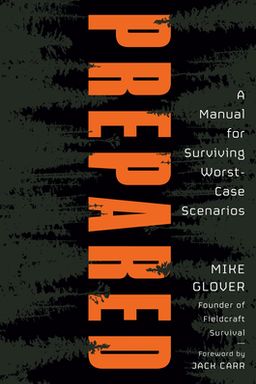
Prepared: Thriving When Catastrophe Strikes
What happens when the world as you know it tilts off its axis—a blackout, a car accident, a wildfire raging toward your neighborhood? In Prepared: A Manual for Surviving Worst-Case Scenarios, special operations veteran Mike Glover argues that survival isn't about paranoia or stockpiles of canned food—it's about mastering calm, competence, and clarity when everything changes instantly. Glover contends that the answer to chaos lies in preparation, not panic: developing a resilient mindset, a plan, situational awareness, decisive action, and the physical tools that transform you from a potential victim into an asset to those around you.
Glover’s philosophy was forged through decades as a Green Beret and CIA contractor, where split-second choices and meticulous preparation meant the difference between life and death. Drawing lessons from combat zones like Sadr City, Iraq, and from tragedies like the Virginia Tech shooting, he translates special operations principles into practical steps for civilians navigating modern crises—from natural disasters and civil unrest to everyday threats like car wrecks or home invasions. The book expands traditional survival thinking beyond wilderness skills into a holistic life system for peace of mind in uncertain times.
Preparedness as a Way of Life
At its heart, Prepared asks a simple question: if catastrophe came today, are you truly ready—mentally, physically, and logistically? Glover reframes preparedness not as fear, but as freedom. By designing a life capable of adapting to sudden disruption, you gain confidence and reduce anxiety during calm periods. Preparedness, he says, is self-reliance multiplied: a mindset that marries tactical competence with psychological steadiness. Modern comfort has made many of us fragile, expecting institutions to save us. Glover’s goal is to reverse that drift, helping readers become resilient citizens who can think clearly, plan deliberately, and act decisively under stress.
Two Worlds of Readiness: The Mental and the Physical
Glover divides preparedness into two interconnected domains—the mental (the invisible) and the physical (the tangible). The mental side includes the Resilient Mindset, Planning, Situational Awareness, and Decision-Making. These are the thought processes that let you stay calm when disaster erupts, form sound judgments under duress, and perceive danger before it fully manifests. The physical side includes your Everyday Carry (EDC), Mobility, and Homestead—the equipment, vehicles, and infrastructure that extend your capacity to act. Together they form a matrix of self-sufficiency that turns knowledge into action and action into survival.
From Soldier to Citizen
Glover’s own story anchors his philosophy. After two decades in combat zones, he witnessed the fragility of order and how effective preparation saves lives. In one Sadr City operation, a simple fluorescent VS17 panel—the size of a kitchen towel—prevented an F-16 jet from mistakenly bombing his team. That small item, placed methodically in his kit, represented the culmination of planning, discipline, and foresight. It’s the same principle he teaches civilians: simple, premeditated actions prevent irreversible consequences. His company, Fieldcraft Survival, now trains thousands of everyday people, from soccer moms to law enforcement officers, applying military-tested methods to civilian life.
Why This Matters
In a world defined by convenience, Glover warns, the capacity to cope with unpredictable hardship is fading. Yet the threats we face—hurricanes, blackouts, violence, pandemics—are not decreasing. Preparedness, therefore, isn’t fringe; it’s citizenship. Trained, capable individuals become assets to their families and communities, not liabilities. The book argues that survival doesn’t end at surviving—it’s about prevailing and helping others do the same. Like Viktor Frankl’s idea that freedom exists between stimulus and response, Glover’s framework empowers you to fill that space with competence and courage instead of panic. This is not about living in fear of catastrophe; it’s about removing fear from your daily life by being ready for anything.
Across seven major chapters—Resilient Mindset, Planning, Situational Awareness, Decision Point, Everyday Carry, Mobility, and Homestead—Glover builds a blueprint for modern resilience. He ends not with isolation but with community: emphasizing that the ultimate preparedness isn’t solitary survivalism but collective strength, neighbors helping neighbors. Being prepared is not just about staying alive; it’s about protecting life’s meaning when crisis strikes.