
Idea 1
Turning Your Business into a Predictable Revenue Machine
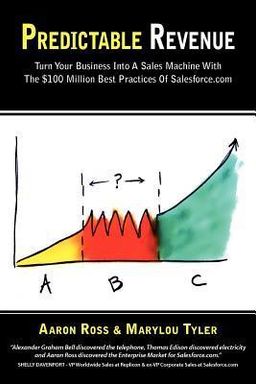
What if your company’s revenue could grow like clockwork—month after month, quarter after quarter—without unpredictable swings or last-minute stress? In Predictable Revenue, Aaron Ross argues that this dream is not only possible but achievable through intentional systems, specialized sales roles, and smart lead generation. Drawing from his experience building Salesforce.com’s $100 million outbound sales machine, Ross shows you how to replace outdated sales guesswork with a reliable process that consistently generates results.
At its core, the book contends that the traditional model of “hiring more salespeople to grow” is broken. Growth doesn’t come from adding more feet on the street—it comes from improving how you generate and qualify leads. Ross asserts that predictable revenue is built on three pillars: Predictable Lead Generation, a specialized Sales Development Team, and Consistent Sales Systems. Together, these transform sales from a cycle of heroics and chaos into a repeatable, data-driven engine.
Throughout the book, Ross walks you through the journey of creating “Cold Calling 2.0,” his breakthrough system that grew Salesforce’s enterprise pipeline by nearly $100 million annually. You’ll discover how he replaced dreaded cold calls with scalable, respectful outreach; separated sales roles for efficiency; and introduced metrics that made forecasting reliable instead of hopeful. Ultimately, Ross’s message isn’t just about sales tactics—it’s about building a sustainable business culture where consistency trumps chance.
Why Predictability Matters
Businesses often rely on bursts of luck—big contracts, one-time deals, or heroic sales pushes. Ross argues this approach is dangerous because it’s built on randomness, not process. Without predictable lead flow, companies experience feast or famine cycles that cripple morale and make growth targets meaningless. Predictability, in contrast, lets you plan, invest, and scale confidently. It creates peace of mind—for CEOs, investors, and employees.
The Three Keys to Predictable Growth
1. Predictable Lead Generation: The foundation of any revenue machine is a steady, measurable flow of quality leads. Instead of waiting for marketing to “hit the jackpot,” Ross teaches companies to implement structured outbound prospecting that drives consistent results.
2. Sales Development Team: Ross’s innovation was to split the sales team into specialized roles. Sales Development Representatives (SDRs) focus entirely on generating and qualifying leads, while Account Executives (AEs) focus on closing. This division eliminates distractions, increases productivity, and speeds ramp-up times.
3. Consistent Systems: Systems, not superstars, should drive growth. By creating dashboards, metrics, and step-by-step playbooks, Ross demonstrates how any company can replace guesswork with consistent output. Systems ensure that success isn’t dependent on one or two “rainmakers.”
From Painful Lessons to Proven Systems
Ross’s ideas were forged through hard-won experience. After his own startup failed due to inconsistent sales, he joined Salesforce.com in a junior role determined to learn how great sales systems work. It was here he developed the framework that would generate a predictable $100 million in new recurring revenue. This success came not from more calls or more people, but from experimentation, data, and patience—the opposite of traditional sales hustle culture.
Ross’s journey underscores a message all business leaders can relate to: failure can be a powerful teacher. He reminds readers that the discomfort of missed quotas or inconsistent growth is often the spark that drives necessary structural change. Predictability, he insists, only comes when leaders trade short-term fixes for long-term design.
Why Old Sales Rules No Longer Work
Modern buyers are immune to old-school cold calls and manipulative tactics. They research online, expect thoughtful communication, and ignore unsolicited pitches. Ross replaces pushy sales methods with educational, respectful outreach—a theme that aligns with the “Sales 2.0” movement (echoing thinkers like Daniel Pink in To Sell Is Human). He invites companies to “market through teaching,” building trust through expertise instead of pressure.
A Roadmap for the Whole Company
While Predictable Revenue focuses on sales, its lessons are strategic. CEOs learn how to forecast accurately and resist setting arbitrary quotas. Boards and investors gain insight into realistic growth planning. Managers learn to design self-managing teams that don’t rely on micromanagement. And anyone sick of the “sales rollercoaster” learns that freedom and growth come not from working harder, but from building systems that always work.
“Your sales results are only scalable to the extent that the CEO and executives are designed out of the process.”
Across its chapters, the book covers: building specialized sales teams, implementing Cold Calling 2.0, identifying your ideal customer, crafting outbound email campaigns, designing self-managing processes, and leading teams through growth. The result is a masterclass in scaling sales systematically—and freeing leaders from the endless grind of unpredictability. If you want to build a business that grows deliberately, not accidentally, Ross’s framework gives you the blueprint.