
Idea 1
The Transformative Power of Questions
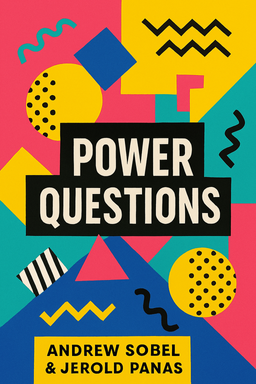
Have you ever noticed that the most memorable conversations often begin with a great question? In Power Questions by Andrew Sobel and Jerold Panas, the authors argue that the most powerful tool in building lasting relationships and winning trust is not a clever answer—it’s a thoughtful question. Whether you’re in sales, consulting, leadership, or simply looking to connect more meaningfully with others, this book shows that questions can break barriers, uncover needs, and deepen connections faster than any pitch or presentation ever could.
Sobel and Panas contend that being an effective questioner shifts your role from a vendor to a trusted advisor—from someone who sells to someone who helps others think. Their central claim is that questions have the ability to transform both personal and professional relationships by engaging people’s emotions, illuminating values, and revealing what truly matters to them. Asking the right question at the right time can alter the entire trajectory of a conversation and open opportunities that weren’t visible before.
Why Questions Trump Answers
The book opens with a vivid story: Sobel once attended a corporate retreat where executives peppered a CEO with dry, backward-looking questions about forecasts and reorganization plans. Then Sobel asked just one: “What are you personally most excited about in the next year?” That simple, genuine question shifted the entire energy in the room. The CEO lit up, stood tall, and shared an inspiring vision. A relationship began that day—not through data, but through curiosity. The lesson is clear: powerful questions focus on the future, on purpose, and on the person, rather than the process.
Throughout the book, the authors show that asking authentic, human questions helps others reflect, clarify their priorities, and feel heard. As Dale Carnegie taught decades ago in How to Win Friends and Influence People, being genuinely interested in others is more persuasive than any display of intelligence. Power questions extend this idea—they don’t just show interest; they reveal insight and empathy.
Nine Strategies for Building Clients for Life
The book is structured around nine strategies that use questions to cultivate enduring professional relationships. These include picking the right clients, investing to grow, understanding clients as people, building relationships at the top, engaging in joint planning, using crises as opportunities, adding value, multiplying connections, and assessing the health of your relationships. Each strategy comes with targeted, open-ended questions designed to illuminate what clients care about most and how you can help them succeed. Sobel’s approach builds on his decades of consulting with firms like Deloitte and Citigroup—grounding theory in lived experience.
For instance, rather than asking a CEO “What’s your company’s growth rate?” Sobel suggests asking, “What new opportunities excite you most right now?” Rather than asking a dissatisfied client “What went wrong?” you might ask, “From your perspective, what could we have done differently to earn your full confidence?” These subtle but powerful shifts invite reflection and signal respect. They create dialogue instead of defense.
Beyond Business: The Human Element
Underneath the book’s business focus lies a universal truth: relationships flourish when people feel seen and understood. The authors emphasize that you don’t need to become friends with every client, but you must connect personally—understanding their drivers, values, and aspirations. This echoes Stephen Covey’s idea in The 7 Habits of Highly Effective People that “seeking first to understand” is foundational to trust. Questions, when asked with genuine curiosity, demonstrate humility and respect—the twin pillars of enduring connection.
Why This Book Matters
In a world where busyness and self-promotion dominate, Power Questions is a refreshing reminder that influence starts with curiosity. Sobel and Panas provide a road map for anyone who wants to move from transactional conversations to transformative ones. This isn’t just another manual on sales tactics—it’s a manifesto for better communication, stronger empathy, and smarter leadership. The power of a question lies not in the information it gathers, but in the relationship it builds.
“A power question shifts the focus from what you want to say to what the other person needs to express. It opens hearts and minds. It can change everything.”
By the end of the book, you realize that great relationships—whether with clients, colleagues, or loved ones—aren’t built on perfect answers but on meaningful conversations. And those conversations always begin with a question.