
Idea 1
The Power Hour: Reclaiming Your Time and Life
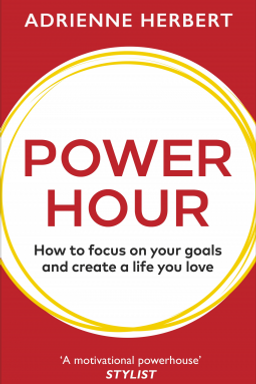
How would your life change if you spent just one hour each morning focusing entirely on yourself before the world demanded your attention? In Power Hour, Adrienne Herbert argues that dedicating the first hour of your day to intentional, purpose-driven action can transform not only your schedule but the trajectory of your life itself. Herbert contends that this daily practice—what she calls the “Power Hour”—is far more than waking early or being productive; it’s about reclaiming choice, cultivating discipline, and building the mindset and habits required for meaningful success.
Drawing on her own journey through loss, frustration, and personal reinvention, Herbert shows how waking up an hour earlier changed her identity from fitness trainer to marathon runner, podcaster, author, and motivational speaker. She frames the Power Hour not as a rigid rule but as a philosophy—a way to take ownership of your time, align your actions with your intentions, and build a life you actually love. The book blends personal narrative with research from psychology, neuroscience, and productivity science, making the concept both inspiring and practical.
Why Time Matters More Than Motivation
Herbert begins with a simple truth: time is the only resource you cannot buy back. Many of us promise ourselves we’ll pursue our goals “when life settles down,” but that day rarely arrives. The Power Hour allows you to sidestep the chaos of daily demands and consciously dedicate time to what matters most—before work emails, family responsibilities, and notifications hijack your focus. It's not about perfection or productivity for productivity’s sake; it's about practicing agency. You choose to do one thing each morning that moves you closer to the life you want.
A major insight of Herbert’s argument is that motivation alone isn’t enough. She counters the common myth that you must wait to feel inspired before acting. Instead, action itself generates motivation—a dynamic supported by behavioural psychology (echoing James Clear’s Atomic Habits and BJ Fogg’s Tiny Habits). By showing up daily, even when it’s hard or uncomfortable, you teach yourself discipline, building momentum that reshapes identity and self-belief.
A Blueprint for Transformation
The book is divided into key sections that explore the pillars underpinning the Power Hour: mindset, habits, movement, sleep, people, and purpose. Together, these form a holistic system for growth. Each concept builds on the last, culminating in Herbert’s practical guidance on designing your own Power Hour routine—tailored to your goals and personality. She argues that personal transformation isn’t one big leap but a series of small, disciplined choices made consistently over time.
- In The Power of Mindset, Herbert explores how adopting a growth mindset—believing that you can learn and evolve—fuels resilience and action.
- Creating Powerful Habits reveals the science behind behavioural change and introduces techniques to build consistent routines that align with long-term goals.
- The Power of Movement and The Power of Sleep emphasize the connection between physical vitality and mental clarity, showing how your body and brain work in tandem.
- The Power of People focuses on relationships, mentorship, and networks—reminding you that no success happens in isolation.
- Finally, The Power of Purpose and Create Your Own Power Hour distil everything into actionable processes for goal-setting and intentional living.
Adversity as the Starting Line
Herbert’s own backstory illustrates that transformation often begins in hardship. Following years of infertility and miscarriage, she suffered deep personal loss. When offered a spot to run the London Marathon by Adidas, she accepted—despite never having run more than 10km. To train, she began waking at 5:30am while balancing motherhood and multiple jobs. That extra hour became her lifeline—a space for healing, self-reflection, and growth. What began as a necessity evolved into the cornerstone of her philosophy. She learned that change requires self-belief, structure, and courage: “You can do hard things.”
The Emotional Core: Choice and Ownership
At its heart, Herbert’s message is profoundly empowering: You are responsible for the trajectory of your life. While you can’t control circumstances, you can always control your reaction and effort. Whether through neuroplasticity (your brain’s ability to rewire itself through habit and learning) or deliberate practice, every act of conscious choice moves you forward. Herbert parallels her thinking with authors like Carol Dweck and Norman Doidge, showing that our brains remain adaptable “from the cradle to the grave.”
What makes Power Hour distinctive among self-development books (alongside titles like Hal Elrod’s The Miracle Morning) is its realism. Herbert doesn’t suggest rigid rules or perfect routines; instead, she encourages experimentation and authenticity. Your Power Hour might involve running, journaling, reading, meditating, or simply sitting quietly. What matters is that the hour belongs entirely to you.
Why It Matters Now
In a world of distraction and busyness, Herbert’s philosophy offers a timeless antidote. By intentionally starting your day in alignment with your priorities, you restore a sense of agency and calm. The Power Hour becomes both shield and engine—protecting your time from external demands while propelling you toward meaningful change. This framework doesn’t promise instant success; it promises consistent progress, which compounds into an extraordinary life.
Core Message
If you take only one idea from Herbert’s work, it’s this: anyone can create extraordinary results from ordinary beginnings. You just need to reclaim one hour each day—the first hour—to make your intentions real. The Power Hour isn’t an exercise in discipline alone; it’s a declaration that your time, energy, and future belong entirely to you.