
Idea 1
The American Poverty Machine
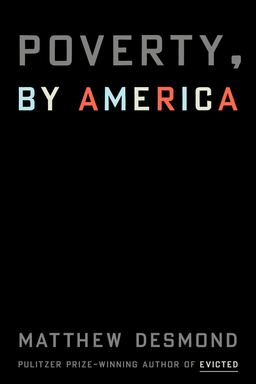
Why does poverty persist in the richest nation on earth? Matthew Desmond, in his magisterial work on poverty and inequality, argues that American poverty is not an accident—it is an engineered outcome. It stems from deliberate policy choices, exploitative market structures, racialized exclusion, and the moral distance between those who hoard opportunity and those who are denied it. You cannot understand poverty simply by income levels; you must see it as a tightly woven knot of harms—work insecurity, eviction, predatory finance, and bureaucratic neglect—that makes life smaller, more dangerous, and less free.
Poverty as a systemic web
Desmond reframes poverty as a web of interlocking deprivations rather than a line below which you fall. You meet people like Crystal Mayberry, who aged out of foster care with $754 in monthly SSI benefits and spent 73% on rent before losing the subsidy entirely and falling into homelessness. You encounter Woo, who lost a leg and struggled to navigate a broken disability system. Their lives illustrate how trauma, bureaucracy, and exclusion compound scarcity. Poverty eats bandwidth—it taxes cognition, choices, and health through constant stress and uncertainty.
Extraction from scarcity
At the book’s center lies a devastating insight: the poor pay more. Low-income renters often pay higher rents relative to property costs than affluent tenants. Banks and payday lenders siphon billions in overdraft, loan, and check-cashing fees. Markets do not fail the poor; they exploit them. Employers suppress wages through weak unions, fissured workplaces, and algorithmic surveillance. Landlords gain more profit per unit from poor neighborhoods. Poverty becomes a business model—a source of steady extraction.
The politics that protect inequality
Desmond exposes how government spending patterns mirror inequality. Programs like TANF leak resources through state-level misuses; tax subsidies favor the affluent. Invisible welfare—mortgage deductions, 529 savings plans, employer health exclusions—shower benefits on the top 20%, while visible poverty programs invite stigma. The result is moral blindness: the wealthy justify their own government largesse while condemning aid to the poor. Policy reinforces hierarchy, not mobility.
Segregation and opportunity hoarding
Housing systems secure inequality through zoning laws and NIMBY activism. At local planning boards, older white homeowners block affordable developments, shouting down advocates like Eric Dobson in Old Bridge, New Jersey. In Madison, Desmond contrasts Bram’s Addition—a mixed-income, caring neighborhood—with East Arlington’s sterile affluence, where neighbors shovel only to property lines. Opportunity becomes something you buy, not share. This is the geography of exclusion: walls of code and culture that keep advantage in and poverty out.
The moral frame: scarcity or abundance
Desmond challenges the myth of scarcity. Politicians treat resources as finite while ignoring trillions in unpaid taxes and vast subsidies to the wealthy. This “scarcity diversion” gaslights the public into believing fairness is unaffordable. He proposes an economy of abundance—like Robin Wall Kimmerer’s ethic of having enough to share—inviting you to imagine tax enforcement, housing reform, and labor empowerment not as luxuries but moral necessities.
The abolitionist call
Desmond ends with a moral and practical charge: be a poverty abolitionist. Movements change what policy alone cannot. Organizing tenants, fighting evictions, demanding fair wages, and rebuilding public commitment to housing and healthcare are civic acts. Ending poverty costs under 1% of GDP—a financial challenge dwarfed by the moral one. Poverty persists because we tolerate exploitation; it will end when we decide not to.
Core message
Poverty in America is not a failure of individual effort but the product of deliberate extraction and exclusion sustained by political choices. To abolish it, you must repair those systems, redistribute power, and reclaim the moral imagination of shared abundance.