
Idea 1
Mastering Potty Training with Confidence and Connection
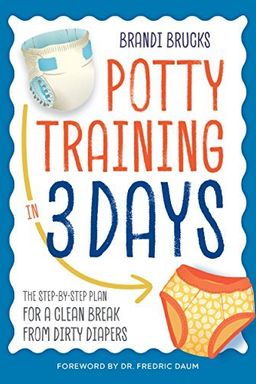
How can you teach your child to use the potty without turning your house into a battlefield—or a flood zone? In Potty Training in 3 Days, Brandi Brucks argues that successful potty training is less about your child’s readiness and more about your mindset and structure. The book debunks the popular belief that you must wait until your child shows interest and instead gives you a detailed plan to lead confidently, with calm, humor, and consistency.
Brucks, a potty-training consultant and behavior specialist, has trained hundreds of children and witnessed nearly every possible obstacle and parent fear. Her message is clear: potty training can—and should—be swift, strategic, and empowering for both you and your child. The three-day system she presents is not a magic trick; it’s a well-coordinated behavioral shift in which you, the parent, set expectations and gently shape your child’s new habits.
The Parent’s Role: Calm Authority Over Chaos
According to Brucks, your attitude is the make-or-break factor in potty training. The child isn’t the boss; you are. She emphasizes that children read adult emotions like radar—so your stress, frustration, or hesitation transfers directly to them. The process succeeds only when you remain confident and positive. This is not about controlling your child but about guiding them through a developmental milestone with structure and empathy. She repeatedly assures parents: “You can do this.”
Brucks’s tone is warm and often humorous, which helps diffuse the tension many parents feel. She jokes about catching pee midair and using “wine for adults” as a survival strategy, reminding readers that the experience can be bonding and even joyful if approached with the right mindset.
The Three Phases: Before, During, and After the Three Days
The book’s structure—“before,” “during,” and “after” the three days—reflects Brucks’s holistic view that toilet training is not just a weekend project but a transition in identity for both parent and child. Before the training, you set the stage: determine readiness, gather materials, introduce potty language, and, most importantly, prepare yourself mentally. During the three days, you shift into hands-on observation mode, watching your child constantly and redirecting accidents into lessons. Afterward, you reinforce all progress with celebration, consistency, and communication across caregivers.
Unlike many generic parenting guides, Brucks’s method is highly specific. She details everything from the right type of step stool (BabyBjörn toilet trainer, not a potty chair) to the psychology of “sleeping underwear” versus pull-ups. Her voice is practical, maternal, and just the right amount of bossy—because she understands that indecision is the enemy of success.
Why it Matters Now More Than Ever
Brucks frames potty training within the realities of modern family life. Many parents today juggle dual jobs, limited time, and conflicting advice. Potty training, which used to happen quietly at home, has become a topic of anxiety and delay. Dr. Fredric Daum, who wrote the book’s foreword, reinforces Brucks’s theory by calling out the inefficiency of the “wait until they’re ready” mindset. From his experience with over 1,000 behaviorally resistant children, Daum emphasizes that structure, not passivity, leads to success. Together, their position challenges the permissive approaches advocated by some older parenting philosophies.
From Readiness to Reinforcement
The heart of Brucks’s method lies in recognizing true readiness—not by waiting for your child to announce it, but by noticing developmental cues: bodily awareness, ability to hold the bladder, mild curiosity about the bathroom, and ability to follow directions. Starting early avoids power struggles that come when toddlers enter the “threenager” phase. She shows that earlier training isn’t forcing—it’s proactive scaffolding of skills your child already has.
Then comes the follow-through: making pottying an expected, neutral, and celebrated part of daily life. Through humor (“Don’t pee on Thomas the Tank Engine”) and positive reinforcement, Brucks redefines potty training from a dreaded task into an empowering routine. Even setbacks like accidents or regression are reframed as learning opportunities, not failures.
A Skill, Not a Struggle
Ultimately, Potty Training in 3 Days teaches that this process isn’t magical or mysterious—it’s behavioral conditioning centered on love, logic, and consistency. It’s a lesson in leadership disguised as a parenting manual. Brucks doesn’t sugarcoat the work: you’ll be glued to your toddler for three days, possibly drenched, exhausted, and repeating the same phrases a hundred times. But by the end, you’ll both emerge proud—and dry.
“When it comes to toilet training, don’t be a friend. Be a parent.” —Dr. Fredric Daum
Brucks’s system goes beyond mere potty success—it models resilience, routine, and confidence, shaping a more mature, self-reliant child. And for you, it’s a crash course in compassionate firmness: the balance between nurturing and leading that defines effective parenting. The result is not just a potty-trained child—but a calmer household and a more self-assured parent.