
Idea 1
How to Stand Out: The Art of POP! Communication
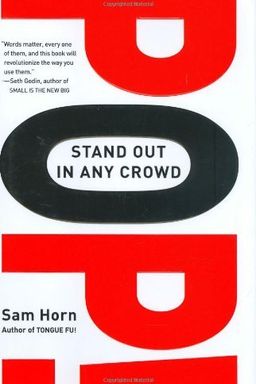
Have you ever felt invisible in your professional life—like your ideas, products, or even your personality are great, yet somehow nobody notices? In POP! Create the Perfect Pitch, Title, and Tagline for Anything, communication expert Sam Horn argues that standing out in a saturated world isn’t luck—it’s language. You must learn how to make your message so purposeful, original, and pithy that people can’t help but remember and repeat it.
Horn’s premise is simple yet radical: great work doesn’t sell itself. You can have talent, skill, and even a powerful story, but unless you can articulate why you’re one of a kind instead of one of many, your message fades into the noise. She reminds us of an uncomfortable truth—being the best doesn’t matter if no one can tell you’re unique. The difference between success and obscurity often comes down to the words you choose and how you package them.
The POP! Framework: Purposeful, Original, and Pithy
Horn builds her entire system around the acronym POP!—which stands for being Purposeful, Original, and Pithy. Purposeful means your message should clearly articulate what you offer and why it matters to your audience. Original means you must break patterns—find language, metaphors, or methods nobody else is using. And pithy means your idea must be distilled into words that are concise, easy to repeat, and impossible to forget. Think of phrases like “Just do it” or “Got Milk?”—they’re memorable because they’re short, rhythmic, and emotionally resonant.
Why Standing Out Matters
Horn uses vivid examples—from small businesses to bestselling brands—to demonstrate how standing out transforms careers. She opens with a story about authors pitching books at the Maui Writers Conference. Many failed not because their manuscripts were weak, but because they couldn’t explain their projects succinctly. Those who learned to craft “Tell ’n Sell” pitches—clear, catchy one-liners—often walked out with interest from publishers. The lesson? You must first grab attention, then earn engagement.
Horn tells the story of Lynne Truss, who turned her grammar guide into an international bestseller by naming it Eats, Shoots & Leaves—a playful phrase that sparks curiosity and laughter. Imagine if she had called it The Importance of Proper Punctuation—it would have languished unread. POP! shows that naming matters so much that it can flip outcomes from anonymity to acclaim.
The Science of Intrigue
Modern attention spans are short. Horn cites the “eyebrow test” as a low-tech, highly effective gauge: when you share your tagline, do people raise their eyebrows (a sign of curiosity) or furrow them (a sign of confusion)? If they don’t immediately “get” your message, you lose them. This echoes marketing experts like Seth Godin (Purple Cow), who insists that differentiation is now more important than perfection. Whether it’s a pitch, a tagline, or a conversation opener, intrigue beats explanation.
From Words to Impact
Throughout the book, Horn’s principles bridge creativity and strategy. She merges linguistic play (alliteration, rhyme, metaphor) with psychological precision. Her real focus isn’t cleverness—it’s clarity and connection. She argues that the right words not only get people to listen but also convert interest into action. Like Jerry Garcia’s quote she cites—“It’s not enough to be the best; you must be perceived as the only one who does what you do”—POP! is about perception and persuasion.
Why These Ideas Matter
In an era of overloaded inboxes and constant scrolling, POP! offers a communication survival guide. It gives you the tools to turn any dull explanation into a jaw-dropping statement that makes people pause. Whether you’re introducing yourself, selling a product, advocating a cause, or interviewing for a job, what Horn teaches is the art of clarity—the skill of turning complexity into instant, emotional understanding. As she reminds readers, “It’s your responsibility to make sure your work gets the positive recognition it deserves.” In essence, this book teaches you how.