
Idea 1
Pleasure as a Path to Liberation and Wholeness
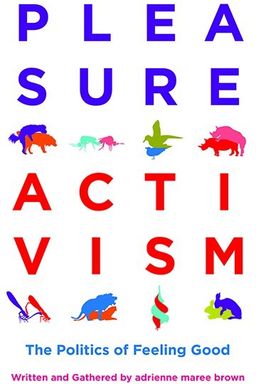
When was the last time you felt joy without guilt? Many of us are conditioned to believe that pleasure is something we must earn — a rare indulgence or even a weakness. In Pleasure Activism (by adrienne maree brown), the author turns that idea inside out. She argues that pleasure is not only central to living fully but also revolutionary. Her bold claim is that embracing embodied joy and satisfaction can dismantle oppression, reconnect us with our bodies, and build a more sustainable, just world.
Brown frames pleasure as a political act. When marginalized people — those oppressed by racism, sexism, homophobia, or systemic inequality — reclaim their right to feel good, it becomes defiance. "Pleasure activism," she writes, is the work of recovering our whole, happy, and satisfiable selves from the wounds of supremacy and oppression. Through essays, stories, and interviews with activists, artists, and healers, she invites readers to rethink pleasure as the key to self-liberation and collective healing.
Pleasure Beyond Indulgence
The book begins by challenging the way society teaches us to distrust pleasure. From early on, many internalize the idea that desire leads to moral decline. Brown counters this with a call to moderation without repression — what she and interviewees describe as “everything in moderation.” Pleasure is not about excess; it’s about wholeness. She distinguishes between abusive indulgence that disconnects us and the kind of embodied pleasure that nourishes connection. This balance is essential in her philosophy — enjoyment should be life-affirming, not escapist.
One memorable story is Alana Devich Cyril’s. Diagnosed with late-stage cancer, Alana felt betrayed by her own body. For a time, pleasure seemed unreachable. Yet through karaoke nights, friendship, laughter, and intimacy, she re-discovered satisfaction even amidst sickness. Her story mirrors brown’s assertion: pleasure is not a privilege reserved for the well or wealthy; it’s a fundamental part of being human. Pleasure helps us reinhabit our bodies and find connection even in struggle.
The Erotic as Empowerment
Building on the work of Audre Lorde — specifically her essay “Uses of the Erotic: The Erotic as Power” — brown expands the definition of pleasure beyond the physical or sexual. The erotic, she explains, is not pornography or superficial arousal. It’s a deep, embodied awareness that awakens power and creativity. The erotic allows us to reclaim our bodies from shame and repression, turning what society deems inappropriate into a source of radical love and self-understanding. This reinterpretation reminds readers that empowerment often begins in the body. You must love your body to access your fullest pleasure — a message shared by burlesque artists such as Taja Lindley and Una Osato, whose performances transform trauma into liberation.
Pleasure as a Compass for Desire
Brown’s philosophy centers on what she calls the “orgasmic yes.” If you spend your life repressing desires, you become accustomed to not receiving what you truly want. Pleasure activism teaches you to listen for that resounding yes — the intuitive sense of alignment and expansion that indicates real satisfaction. Learning to trust your yes, she says, leads to better decisions and opens pathways to collaboration and creativity. Inspired by Toni Cade Bambara’s idea to “make the revolution irresistible,” brown encourages readers to connect their yes to collective change. Social transformation should feel good, not punishing.
Finding Boundaries and Balance
Brown doesn’t shy away from complexity. She discusses drug-induced pleasure, acknowledging both its healing potential and its dangers. Her experiences with marijuana, ecstasy, and mushrooms brought profound feelings of connection — yet she remains vigilant about her addiction risks. Pleasure should awaken, not numb. Moderation and mindfulness help maintain this balance, reminding readers that the pursuit of pleasure must be responsible and self-aware. Through her partnerships with harm reduction organizations, she advocates for humane, nonjudgmental approaches to drug use — emphasizing compassion over control.
Healing Through the Body
After years of depression and trauma, brown turned to somatics — a movement-based therapy connecting body awareness with emotional healing. Through somatic practices, she learned to feel her emotions rather than suppress them, gaining empathy for herself and others. Somatic awareness becomes a bridge between personal transformation and social activism. You can’t heal the world until you heal your relationship with yourself. Organizations like Generative Somatics and BOLD (Black Organizing for Leadership and Dignity) offered her spaces for grief, community, and joyful political engagement, illustrating how body-based healing fuels social justice.
Radical Honesty for Collective Futures
Pleasure activism ultimately builds toward radical honesty. Drawing inspiration from Octavia Butler’s visionary Afrofuturism, brown imagines communities of truth, interdependence, and compassion. In Butler’s stories, survival depends on deep communication and connection. Similarly, brown insists that our world needs honesty, empathy, and pleasure at its core. Feeling good isn’t frivolous; it’s freedom. It’s the foundation for sustainability and love — for ourselves, for each other, and for the planet.
In short, Pleasure Activism is a manifesto for reclaiming joy as resistance. It invites you to ask: What would it mean if pleasure guided your life choices? What if liberation felt like laughter, dance, or rest? Brown’s answer is clear — when we honor our bodies and our desires, we cultivate both healing and revolution. Pleasure is personal, but it’s also profoundly political. And that, she argues, is how we change the world.