
Idea 1
Persuasion Through Psychology and Emotion
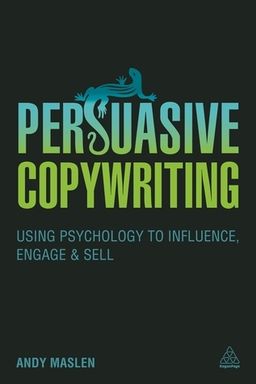
Why do some words make people buy, trust, or believe—while others fall flat? In Persuasive Copywriting: Using Psychology to Engage, Influence and Sell, Andy Maslen argues that emotion, not logic, drives every human decision. Most copywriters, he insists, make the mistake of writing to the rational mind, piling up facts and product details. But the part of the brain that actually makes decisions—the limbic system, sometimes called the “lizard brain”—doesn’t care about facts. It cares about feelings, stories, and survival.
Maslen contends that effective copywriting is equal parts art and science. The art draws on empathy, storytelling, and tone, while the science taps into neuroscience and psychology to trigger emotions. When you understand how people feel, not just how they think, your writing becomes persuasive almost effortlessly. This book asks you to shift from being an information deliverer to being an emotion manipulator—in an ethical sense. You aren’t tricking people; you’re helping them make decisions that they already want to make.
Emotion Over Reason
Maslen builds his argument on modern neuroscience (especially the research of Antonio Damasio). He points out that even complex business buyers make snap emotional decisions first, then rationalize those choices later with logic. In his framework, the copywriter’s task is to access a prospect’s steady-state emotion (how they feel right now) and guide them toward a target emotion (how they should feel after reading). Everything—the tone, phrasing, structure—should guide that emotional transition, whether from boredom to excitement, fear to relief, or frustration to confidence.
The Shift Toward Empathy
You don’t persuade strangers by shouting features at them. You persuade them by showing you understand their world. Empathy, Maslen says, is the foundation of persuasion. And while empathy can’t be faked, it can be cultivated through the disciplined practice of building customer personas, listening, and imagining real conversations. Copywriting, he reminds us, is “behavior modification using words.” By writing as if to one person—and speaking with emotional precision—you replicate the feel of an authentic one-to-one relationship.
From Science to Story
Maslen integrates psychology with storytelling because narrative engages both emotion and imagination. The oldest form of persuasion—storytelling—lights up the same regions of the brain responsible for empathy and decision-making. That’s why good copy doesn’t merely explain a benefit; it dramatizes it. Readers learn to visualize an experience that feels real, tapping into the neurological shortcut where imagination and memory overlap. A story about an exhausted traveler finding relief at a hotel can trigger feelings identical to those of actually being there. That, Maslen explains, is how emotional writing converts.
The Modern Copywriting Landscape
Maslen also updates traditional advertising theory (like AIDA: Attention, Interest, Desire, Action) and presents a new customer-centered model—TIPS: Tempt, Influence, Persuade, Sell. Each stage appeals to emotion more deeply until the prospect feels compelled to act. Even in an age of social media and SEO, he maintains that the psychology of persuasion hasn’t changed. People scanning web pages aren’t different species called “web users.” They’re human beings driven by curiosity, status, fear, and belonging—the same emotional levers Aristotle described 2,000 years ago.
Why It Matters Now
Maslen’s larger mission is to restore humanity to business language. In his view, modern marketing is drowning in jargon and data, but the most effective copywriters will always be those who write to the heart first. Whether you’re crafting an ad, an email, or a LinkedIn post, you’re communicating not with a robot but with a thinking, feeling person seeking to solve problems and improve their life. The key message of this book is clear: to sell like a demon, you must write like an angel—understanding, empathizing, and connecting at the emotional level where decisions are truly made.