
Idea 1
Love, Pride, and the Power of Second Chances
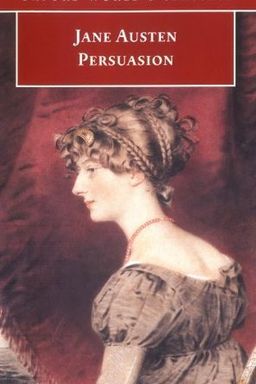
How do you balance the wisdom of others against the voice of your own heart? Jane Austen’s Persuasion asks precisely this question — and answers it with quiet brilliance. In her final completed novel, published posthumously in 1817, Austen paints a tender portrait of love lost and found, of regret born from submission, and of the redemptive strength of constancy. The book suggests that true maturity comes only when we learn to trust our own judgment — and forgive ourselves for when we did not.
At its center is Anne Elliot, a woman who once refused the love of her life, Captain Frederick Wentworth, because everyone around her — her vain father, her status-conscious family, and her well-meaning mentor Lady Russell — convinced her that his lack of fortune made the match imprudent. Eight years later, Anne’s rational obedience has become a source of lifelong remorse, and Wentworth’s return into her life rekindles every suppressed emotion. Through their story, Austen explores how time, reflection, and resilience can restore what pride and social pressure once broke apart.
The Maturity of Austen’s Final Heroine
Unlike the spirited Elizabeth Bennet or the naïve Catherine Morland, Anne Elliot begins Persuasion at twenty-seven — an age Austen takes care to describe as both mature and neglected by society’s romantic hopes. Her youth has faded, her family ignores her, and her prolonged regret has left her quiet and self-effacing. Yet her introspection and moral steadiness make her one of Austen’s most complex heroines. Where other Austen characters must learn humility or restraint, Anne must recover her confidence — the belief that her own feelings can be as wise as the advice of others.
This shift in Austen’s focus from moral correction to moral awakening marks Persuasion as a deeply introspective novel. It is less about social comedy, more about emotional psychology — a meditation on how love, once lost through persuasion, might return only through understanding.
Class, Persuasion, and the Changing World
The novel unfolds in a time of social mobility. Sir Walter Elliot, Anne’s father, is a baronet obsessed with his rank and reflection, while new wealth from Britain’s naval victories threatens traditional hierarchies. Captain Wentworth — once dismissed as penniless — now returns rich, worldly, and successful, emblematic of the rising meritocracy Austen herself admired.
Against this backdrop, “persuasion” becomes a double-edged symbol. It represents the social influence that pressures Anne into misguided conformity and the personal introspection that ultimately redeems her. As critic Tony Tanner observed, the novel probes the “moral problem of influence” — when does it become wisdom, and when does it become manipulation? Lady Russell’s guidance, though loving, teaches Anne to mistrust herself; only through suffering can she reclaim her ability to decide freely.
Love Renewed by Constancy and Growth
At its heart, Persuasion is a story of constancy — not the stubborn refusal to change, but the steadfastness that survives change. When Anne and Wentworth finally reconcile, their union feels earned through growth, not mere destiny. Wentworth’s passionate letter — perhaps the most beloved in all of Austen — expresses both the anguish of long-held love and the humility required to renew it (“I am half agony, half hope…”). Their reunion affirms that time can refine affections without erasing them — that constancy is strength, not folly.
Why This Story Still Matters
Reading Persuasion today invites reflection on our own compromises. How many choices do we make to please others rather than ourselves? How often do we mistake conformity for prudence, and fear for wisdom? Austen’s message — that self-respect and empathy, rather than obedience or pride, must guide our hearts — feels strikingly modern.
More than a romance, Persuasion is a study in second chances. It reminds you that healing takes time, that regret can evolve into insight, and that faith in your capacity to love — wisely, not recklessly — can restore everything time has taken. Austen, writing at the end of her life, offers her most mature vision of love: one tempered by loss, strengthened by experience, and resilient against the pressures of society or vanity.
In the chapters ahead, we’ll explore how Austen develops this theme through class politics, moral growth, and the quiet heroism of endurance — a masterpiece of emotional subtlety that transforms private feeling into universal wisdom.