
Idea 1
Parenting with the Relationship in Mind
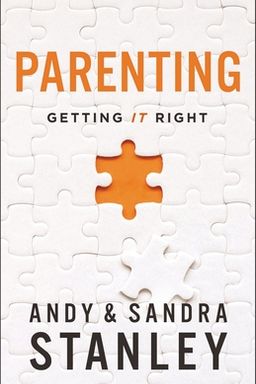
How can you raise children who not only respect you but genuinely want to be with you once they’re grown? In Parenting: Getting It Right, Andy and Sandra Stanley argue that parenting succeeds when it produces healthy, lasting, and mutually enjoyable relationships. The Stanleys contend that most parents are so preoccupied with managing behavior and surviving daily challenges that they fail to define what “getting it right” actually means. Their message is simple but revolutionary: parenting is not just about raising compliant children—it’s about raising future adults who enjoy being with you and with each other even when they no longer have to be.
This relational focus becomes the book’s north star, shaping everything from discipline and scheduling to marriage priorities and spiritual formation. The Stanleys remind parents that direction determines destination—if you don’t consciously choose your parenting direction, cultural pressures and daily chaos will choose it for you. To ‘get it right,’ they suggest clarifying your end goal, understanding the seasons of parenting, focusing on relationships over control, and aligning marriage and faith around that vision.
Defining the Parenting Win
For Andy and Sandra, the ultimate win is not having obedient, high-achieving, or financially secure children—it’s nurturing kids who love being part of the family long after childhood. They discovered this when Andy was struck by how relaxed and connected Sandra’s extended family was. He realized that what he wanted most wasn’t success by external standards but relationships that lasted into adulthood. Their goal—“kids who enjoy being with us and with each other even when they no longer have to be”—became the compass for every decision.
Seen this way, parenting isn’t a test you can cram for (as with exams); it’s a harvest that comes from years of sowing in the right direction. The seeds are relational: integrity, empathy, respect, and emotional connection. And if you prioritize relationships early, the harvest is mutual delight later—a family that genuinely likes being together. It’s a practical application of what psychologists like Dr. John Gottman and Brené Brown also emphasize: connection and trust are the foundation of every thriving relationship, even more than control or performance.
Direction Determines Destination
Andy draws from his famous teaching principle—“direction, not intention, determines destination.” Every family is heading somewhere, consciously or not. Without a clear end goal, you risk raising children who behave well but disengage as soon as they can. Our schedules, parenting tone, and discipline approaches all push kids in a direction. The Stanleys challenge you to name your intended destination and parent toward it on purpose. If your purpose isn’t clear, you may one day realize you “parented in the wrong direction.”
This means rejecting quick fixes, fear-based approaches, or cultural checklists about success. Parenting “on purpose” means taking responsibility for your emotional tone, modeling the values you want, and realizing that compliance now doesn’t guarantee connection later. As Andy warns: “It’s possible to have well-behaved children who don’t want to be around you once they’re old enough to choose.”
Parenting Is a Relationship of Unequal Roles
A recurring insight is that parents and children are not in the same kind of relationship. The adult must remain the leader, guide, and secure base. You shouldn’t argue with your kids because arguments are for peers, and you’re not a peer—you’re the parent. Maintaining that role isn’t about exerting control but about providing safety and stability. As the Stanleys put it, “Your children do not have the same relationship with you that you have with them.” This guiding truth anchors their approach through every season of parenting.
A Relational Legacy
Ultimately, this book is about legacy—not just what your children achieve, but who they become in relationships. Every lesson about obedience, honesty, boundaries, or faith flows from this north star. The Stanleys’ approach combines Christian principles, developmental psychology, and lived experience to show that long-term relational health is both the best measure and the best gift of parenting done right.
Across the following ideas, you’ll discover how they turn this philosophy into practice: the four stages of parenting, relationship-based discipline, intentional scheduling, marriage as the foundation, and nurturing faith without control. Each idea builds on the previous one, forming a full blueprint for “getting it right”—not by being perfect, but by parenting with your future relationship in mind.