
Idea 1
The Cosmic Conflict and the Meaning of Human Choice
Have you ever wondered why suffering and evil exist in a world supposedly governed by divine order? In Paradise Lost, John Milton wrestles with this question through one of the grandest poetic visions in English literature. He contends that human freedom—our ability to choose against divine will—is both our glory and our downfall. Milton’s epic is not merely a retelling of Genesis; it’s a philosophical exploration of rebellion, obedience, and redemption.
The Central Drama: From Heaven to Hell and Back to Humanity
Milton frames his epic around two acts of disobedience: Satan’s revolt against God and humanity’s fall through Adam and Eve’s choice. In doing so, he presents creation itself as an arena of moral drama. The poem opens not in Eden but in Hell, where Satan and his fellow fallen angels, cast out from Heaven, plot vengeance against their Creator. Their rebellion mirrors a distorted reflection of human ambition—the desire to be self-made and self-governing even at the cost of eternal ruin.
Through Satan’s tragic rhetoric ("Better to reign in Hell than serve in Heaven"), Milton exposes the seductive power of pride. We recognize in the fallen angel a version of ourselves—eloquent, driven, and self-deceived. His grand speeches ignite sympathy even as his motives curdle into self-destruction. For Milton, rebellion is not merely a celestial event but a psychological truth about human will.
The Fall of Man as a Reflection of Cosmic Order
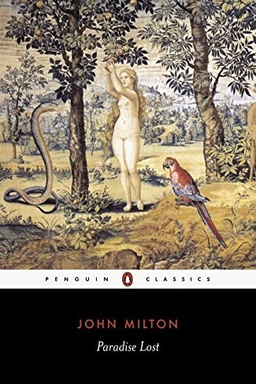
When Milton turns to Adam and Eve, he shifts from the macrocosm of divine warfare to the microcosm of domestic intimacy. Their life in Eden is serene yet fragile—a harmony always under threat from curiosity and complacency. By dramatizing Eve’s temptation, Milton explores the subtleties of persuasion and desire. The serpent’s logic twists divine truth into human rationalization, appealing to the same ambition that led Satan astray. Milton suggests that evil enters not through malice but through reasoning divorced from obedience.
This tension between intellect and faith—between knowing and trusting—is the axis of Milton’s philosophical inquiry. In our pursuit of knowledge and autonomy, we echo the Fall. Yet Milton does not condemn curiosity; he cautions against its detachment from humility. His insistence that “to obey is best” resonates as both warning and wisdom: freedom without reverence becomes rebellion.
Redemption and the Restoration of Meaning
Milton’s universe is ultimately governed by mercy. Even as Adam and Eve are exiled from Eden, they’re offered hope through prophecy—a Redeemer who will bridge the breach between divine perfection and human frailty. This cosmic vision transforms tragedy into redemption. Through suffering, obedience, and faith, humanity can reclaim divine favor. The poem’s conclusion is not despair but renewal: the world lies open before them, and Providence will guide them. Milton’s moral proposition is that fallibility itself becomes the corridor through which grace operates.
Thus, Paradise Lost becomes a meditation on how choice defines creation. Through grandeur of style and theological depth, Milton invites you to see the universe as a moral landscape, where freedom and obedience shape destiny—both divine and human. By reimagining Genesis, he turns an ancient story into one of perpetual relevance: how we, too, negotiate the boundaries between pride and clarity, despair and forgiveness.