
Idea 1
Outer Order Creates Inner Calm
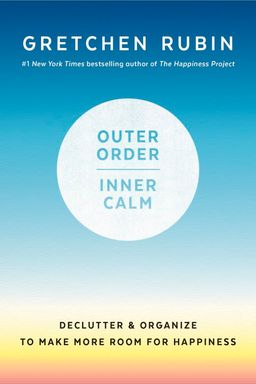
Have you ever noticed how a messy desk can make your mind feel just as cluttered? Gretchen Rubin’s Outer Order, Inner Calm invites you to explore that uncanny connection between the state of your environment and the state of your emotions. Rubin argues that when our external surroundings are orderly, our inner world becomes more peaceful, focused, and energized. On the surface, tidying up seems trivial—but as Rubin shows, managing your possessions can actually transform your mindset, relationships, and sense of happiness.
The Core Argument: Why Outer Order Matters
Rubin begins by confronting a simple yet profound truth: physical clutter weighs on us emotionally. Most of us have experienced the relief of tidying a drawer, cleaning a fridge, or organizing a closet—and noticed the surprising burst of energy and clarity that follows. In her words, “Outer order contributes to inner calm. More than it should.” She contends that the state of your environment can help you reclaim control of your life. When you can find what you need and enjoy what you have, your mind feels freer and your happiness expands.
Rubin’s framework divides the process of achieving that calm into five interlocking stages: making choices, creating order, knowing yourself and others, cultivating helpful habits, and adding beauty. Together, these stages are not just about decluttering—they create an intentional life built around happiness, self-understanding, and respect for what truly matters. Each step is both practical and philosophical, reminding us that our possessions reflect the story we tell ourselves about who we are.
Outer Order and Happiness
Why does clearing clutter make us happier? Rubin explains that outer order supports the key elements of a fulfilling life—feeling good, feeling right, avoiding feeling bad, and living with growth. Physical order frees us from frustration and guilt, sharpens our focus, and gives us room for creativity. It even restores harmony in relationships: when shared spaces are orderly, family members argue less. (This echoes Marie Kondo’s claim in The Life-Changing Magic of Tidying Up that cleaning up is not just a domestic act but an emotional realignment.) For Rubin, order provides an illusion of control—a gentle illusion that still helps us live more pleasantly and purposefully.
A Personalized Approach
Crucially, Rubin rejects the idea of a single universal method. There is no “one-size-fits-all” system for order. What brings calm to one person may feel oppressive to another. Some thrive amidst minimalism; others prefer abundance. Rubin’s philosophy insists that outer order is valuable only if it makes you happier. If your clutter doesn’t bother you, there’s no need to clear it. But if disarray keeps you feeling restless or guilty, tidying up can become a form of freedom. Her readers are encouraged to challenge the habit of “should”—instead of cleaning because you should, clean because you care.
The Five Stages of Transformation
Rubin structures the book as a progression. You begin with choice—the mental work of deciding what stays and what goes. Next comes order—putting things where they belong and taming “clutter magnets.” Then she turns inward to self-knowledge, teaching you to understand your own preferences and your tendency toward overbuying, underbuying, or procrastination. Once you know yourself, you move into habit-building, using small daily actions like the “one-minute rule” to maintain order automatically. Finally, Rubin invites readers to add beauty—turning the newly decluttered space into an environment that sparks joy, gratitude, and love.
The book’s charm lies in Rubin’s tone: gentle, funny, and deeply humane. She understands how guilt, sentimentality, and identity get tangled up in our stuff. We cling to old skis because we fear letting go of who we once were. We save every birthday card because love seems attached to paper. Rubin dismantles those self-defeating loops with wisdom and humor, reminding you that memories can live in your heart even after you’ve discarded the objects that represent them.
Why It Matters Today
In an era of overconsumption and constant distraction, Rubin’s message feels refreshingly attainable. Clearing clutter doesn’t require money or perfection—it requires mindfulness. By transforming your physical environment, you can carve out mental space for creativity, purpose, and peace. You don’t have to aspire to spare minimalism or designer aesthetics. The goal is simply to feel calm in your own surroundings, with room for “the things that are important to you.”
Ultimately, Outer Order, Inner Calm is a book about aligning your outer world with your inner values. Rubin believes that outer order helps you see yourself clearly—it acts like a mirror that reflects the life you’re living now rather than the one you left behind. It’s about creating spaces that support both calm and growth, and recognizing that the smallest acts—changing a lightbulb, sorting shelf by shelf—can become rituals of happiness. Once outer order emerges, she urges, pause and revel in it, because calm isn’t just the absence of chaos; it’s the invitation to become more fully yourself.