
Idea 1
Thriving in a World of Constant Change
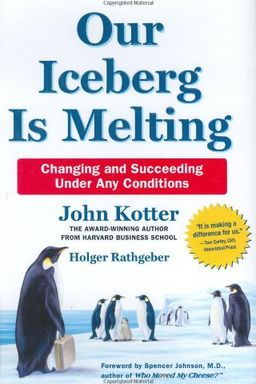
Have you ever faced a situation where it felt like the ground beneath you was shifting faster than you could adapt? In Our Iceberg Is Melting, John Kotter and Holger Rathgeber use a charming yet powerful fable about a colony of penguins to explore what it really means to face change—and win. The iceberg on which these penguins have always lived begins to melt, threatening their very survival. What unfolds is not simply a story about birds in Antarctica but a universal lesson about how people and organizations can recognize danger, embrace new ideas, and transform adversity into opportunity.
Kotter, renowned for his expertise in leadership and change (notably through Leading Change), contends that successful adaptation doesn’t depend on intelligence or luck, but on following a deliberate process. His eight-step model for change, woven through the narrative, reveals how even a small group—like Fred, Alice, Louis, Buddy, and the Professor—can lead an entire colony from denial and fear to transformation and resilience. What seems simple—finding a new iceberg—is actually a metaphor for how we confront change in business, school, government, and life.
Why Change Matters
The story opens with Fred, the observant penguin who notices their iceberg is literally breaking apart. Yet when he shares his findings, the colony reacts with disbelief and ridicule. “Problem? What problem?” they say—a line that feels eerily familiar in any organization facing mounting issues. Kotter illustrates how complacency blinds groups to danger. Without urgency, even talented teams fall into the trap of maintaining routines instead of seeking solutions. In essence, the melting iceberg symbolizes the dangers of refusing to see reality.
From Crisis to Action
Using the fable as a blueprint, Kotter unpacks how leaders can navigate change through eight critical steps: creating urgency, building a powerful guiding team, developing and communicating an inspiring vision, empowering others to act, generating short-term wins, and embedding new practices into culture. In the penguins’ case, this process unfolds beautifully—from Fred’s discovery to Louis’s decision to initiate colony-wide action. Alice becomes the practical force for execution, Buddy spreads trust through communication, and even the skeptical Professor learns the power of emotional engagement over endless analysis.
Emotional Engagement and Resistance
Change is not purely rational; it’s emotional. Fred’s data isn’t enough until the leadership literally sees and feels the danger—represented by his ice model and the bottle that bursts when water freezes. This vivid demonstration transforms abstract risk into visible urgency. Kotter’s insight here mirrors findings from behavioral psychology (like Daniel Kahneman’s research on biases): people act when they feel, not just when they think. The penguins’ transition captures this emotional arc—from fear and frustration to excitement and empowerment.
A Blueprint for Transformation
The colony’s journey highlights each stage of Kotter’s model. After urgency comes the creation of the “guiding coalition,” represented by Louis, Alice, Fred, Buddy, and the Professor. They identify the vision of becoming nomads—a radical shift from their static past. By spreading this vision through stories (the seagull encounter), slogans (“We are not our iceberg”), and conversations (“talking circles”), they cement community engagement. Finally, short-term wins—like the scouts’ successful journey and Heroes Day—fuel morale and prove progress is real.
A Lesson for You
The beauty of the fable is its accessibility. Kotter’s framework applies whether you’re leading a business unit, a classroom, or your family through change. Every organization has its “NoNos”—those who resist change out of fear or skepticism—and its “Freds”—the observant souls who see the iceberg melting before anyone else does. This story asks: when you spot change coming, will you be Fred, or will you be NoNo? It invites you to embrace the necessary discomfort of innovation, to act before crisis compels you, and to make adaptability part of your culture.
Key Thought
Kotter’s central message is timeless: when your iceberg starts to melt—whether figuratively or literally—the only path to survival is purposeful, collective change. Recognizing danger, igniting urgency, and translating visions into action are what turn fear into progress and instability into opportunity.
In essence, Our Iceberg Is Melting is not just a story about penguins—it’s a mirror for us all. Change is inevitable. The question is whether you’ll see it coming, lead through it, and turn it into your next great adventure.