
Idea 1
The Alchemy of Flavor: Transforming Vegetables into Culinary Art
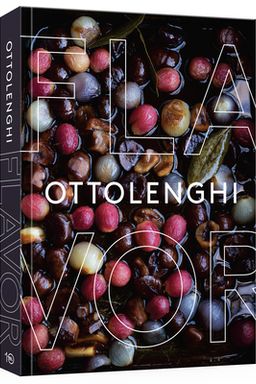
Have you ever wondered why a simple roast vegetable can taste so extraordinary in a restaurant, yet ordinary at home? In Ottolenghi Flavor, Yotam Ottolenghi and co-author Ixta Belfrage tackle that question head-on. They argue that it’s not just ingredients, but the deliberate combination of science, creativity, and culture that transforms vegetables into unforgettable meals. The heart of their philosophy is that flavor can be engineered, unpacked, and amplified—once you understand three big ideas: process, pairing, and produce.
Ottolenghi’s thesis is both simple and radical: vegetables already contain everything needed to be the center of great cuisine. You just have to know how to unlock their potential. Through techniques like browning, charring, infusing, and aging, and through masterful pairings of sweetness, fat, acidity, and chile heat, the book shows you how to reimagine vegetables not as sidekicks but as stars of the show. Finally, Ottolenghi’s focus on intrinsically flavorful produce—like mushrooms, alliums, nuts, and fruit—reveals why some ingredients naturally lead flavor revolutions on their own.
From Plenty to Power
This book forms the third in a trilogy begun with Plenty and Plenty More. The first was a love letter to vegetables; the second, a technical exploration of cooking them. Flavor completes the journey. It’s not just a cookbook—it’s a manifesto that dissects taste itself. The authors explore how physical and chemical processes interact with human senses to create complexity. The goal: make vegetables taste as rich, meaty, or satisfying as any traditional protein-rich dish. As Ottolenghi writes, browning and caramelizing, for example, transform simple celery root into something sublime, while aging and fermentation add depth rivaling cheese or wine.
Three Pillars of Flavor
The structure of Flavor rests on three ideas:
- Process—how cooking methods like charring, browning, infusing, and aging chemically alter food to intensify taste.
- Pairing—how the balancing acts between sweetness, fat, acidity, and chile heat create multilayered sensory experiences.
- Produce—choosing ingredients such as mushrooms, onions, and nuts that inherently carry deep umami or texture.
Each section delves into these components with detailed recipes—from “Hasselback Beets with Lime Leaf Butter” to “Sweet and Sour Sprouts with Grapes and Chestnuts”—all serving as case studies in flavor creation. The result is a book that’s both culinary manual and sensory education course.
A Global, Flexible Kitchen
Ottolenghi doesn’t stop with chemistry; he situates flavor in culture. Partnering with Ixta Belfrage, whose roots stretch through Mexico, Brazil, and Italy, he infuses global traditions into his London test kitchen. Tamarind, miso, and rose harissa appear beside Mediterranean stalwarts like olive oil, yogurt, and thyme. This multicultural lens gives the book a cosmopolitan pulse—a reminder that flavor is not static but shaped by migration, memory, and experimentation (a view shared with food writers like Samin Nosrat and Harold McGee).
Why It Matters
In the age of plant-based eating, Ottolenghi Flavor is more than a cookbook—it's a map for the flexitarian future. Ottolenghi’s pragmatic approach welcomes everyone, from strict vegans to omnivores, showing that incredible vegetables reduce no one’s pleasure. Flavor, he insists, isn’t a moral stance but an act of generosity: a way to create joy. If you’ve ever wondered how to make plant-based food as satisfying as a steak or how to balance sweet pumpkin against sage or chili heat, this book offers not just recipes but a worldview.
“Flavor is taste plus aroma,” Ottolenghi explains. “Satisfaction is about contrast, layering, and the unexpected.”
Through this lens, Ottolenghi invites you to taste more deeply, cook more thoughtfully, and see vegetables as what they’ve always been: building blocks of culinary magic. The rest of Flavor unpacks how to create that magic—one chemical reaction, one clever pairing, one inspired ingredient at a time.