
Idea 1
Resilience as Daily Practice
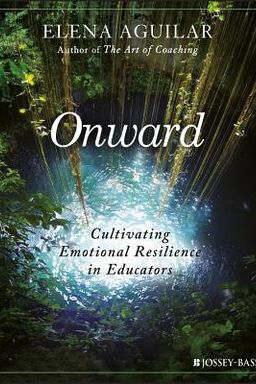
How do you cultivate resilience not as an abstract trait but as something you can work on every day? In Onward: Cultivating Emotional Resilience in Educators, Elena Aguilar argues that resilience is not innate genius or occasional inspiration—it is the accumulation of twelve habits practiced deliberately, one day at a time. The workbook design itself embodies this philosophy: each chapter represents a disposition you explore for a month through bite-sized daily activities that blend cognitive, emotional, and social tools. Resilience develops through repetition, reflection, and small wins.
Aguilar invites you to see your resilience journey as a hike: you put on your boots, notice the terrain, collect artifacts, and move steadily. The metaphor matters—it transforms vague motivation into embodied practice. You are not asked to sprint through personal transformation; you are asked to walk intentionally and notice what changes along the way.
The Twelve Habits and the Workbook Structure
Across twelve dispositions—from knowing yourself deeply to celebrating gratitude—Aguilar builds a rhythm for sustainable change. Each chapter combines assessment tools (like the Resilience Self‑Assessment) with actionable experiments, such as breathing routines, journaling prompts, and visualizations. The recurring icons—morning, evening, short moment—turn abstract advice into manageable micro‑sessions that fit into an educator’s real life.
You’ll find tracking pages, reflection postcards, and community activity prompts because resilience thrives in practice and conversation. Aguilar encourages forming small groups or buddy systems: share insights, respect confidentiality, and keep the practices visible. Like coaching sessions, this routine builds both accountability and encouragement.
Resilience as Behavior, Not Mood
Central to Aguilar’s argument is that resilience is behavioral. Every tool—values jar, not‑right‑now shelf, treasure chest of the ordinary—translates intention into tangible artifact. The practices help you respond to challenges with structure rather than relying on temporary mood shifts. Repetition engraves new neural pathways; reflection strengthens awareness; articulation through community anchors growth.
When you approach difficulties—whether classroom stress, institutional changes, or interpersonal strain—you draw on a repertoire built from daily habits. Instead of collapsing under pressure, you pause, breathe, reflect, and choose. This deliberate patterning is how resilience becomes muscle memory.
Integration Across the Twelve Dispositions
You begin by knowing yourself deeply: understanding personality, strengths, and sociopolitical identity as the foundation for every other habit. Emotional literacy follows, equipping you to identify, regulate, and dialogue with feelings. Then you learn to tell empowering stories, reshape inner narratives, and build cognitive flexibility. From there, you build trusting communities, practice mindfulness, and design sustainable self‑care routines.
Later chapters turn outward: cultivating compassion, embracing learning, practicing creativity, managing change, and ending with gratitude and celebration. This progression mirrors the developmental arc of resilience—from inner clarity to emotional regulation, social connection, creative adaptation, and appreciative closure. Clustered together, they create an ecology of practices that help you thrive personally and professionally.
Purpose, Community, and Reflection
Aguilar insists that individual resilience is inseparable from collective culture. You can’t sustain resilience alone amid systemic stress; you need community support and shared language for reflection. Her emphasis on small daily practices builds not just emotional stamina but also a sense of belonging. The workbook doubles as an invitation—to rebuild educational culture around empathy, curiosity, and courage.
Key Message
Resilience is not recovery after burnout; it is continuous practice that makes thriving possible. Treat every daily habit—breathing, journaling, connecting, noticing—as a rehearsal for steadiness. Over time, these micro‑practices build immunity to stress and cultivate the mindset of growth.
Taken together, Aguilar’s twelve dispositions form a comprehensive framework for emotional sustainability in education. The point is not perfection but iteration. Try, notice, adjust. Practice one habit each day, share your learning, and preserve small artifacts of success. Resilience in this model is living craft—a cumulative display of curiosity, care, and courage that grows stronger the more you practice.