
Idea 1
From Object to Author of Her Story
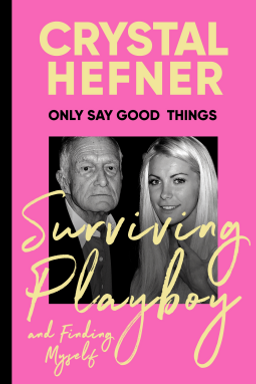
When have you smiled through something that felt wrong because it seemed like the price of belonging? In Only Say Good Things, Crystal Hefner argues that a culture obsessed with beauty, power, and access grooms young women to trade agency for approval—then calls that trade “choice.” She contends that the Playboy universe wasn’t just a house with rules; it was a machine engineered to convert women’s bodies and silence into brand myth, while convincing them they were lucky to be there. Her core claim: when power sets the terms for “consent,” the line between a glamorous opportunity and a gilded cage blurs, and the cost gets charged to your sense of self.
This memoir is Crystal’s decade-long passage from being cast as an accessory to becoming the author of her story. She begins on Halloween 2008, a 21-year-old in a French maid costume, handpicked at the rope line by 81-year-old Hugh Hefner. She ascends the staircase—literally and symbolically—into a world of velvet-curtained rooms, staged intimacy, and nonnegotiable routines. Over time, she becomes main girlfriend, then fiancée, runaway bride, and finally wife and caretaker. After his death, she faces the harder task: leaving a worldview that required her to be perfect, silent, and endlessly available—and learning to listen to the inner voice she had muted to survive.
What you’ll learn
You’ll see how image-making and logistical rules (curfews, matching hair and nails, allowance rituals) enforced compliance and made defiance feel unthinkable. You’ll look closely at sexual dynamics framed as “fun” but choreographed and unequal—from silk pajamas and four synchronized porn screens to baby oil in lieu of consent-centered care. You’ll trace how beauty operated as both currency and debt, requiring surgeries, constant maintenance, and—eventually—extracting a toll on health (Lyme disease, implant illness, toxic mold in the mansion’s vents). You’ll also meet the players who kept the machine humming: staff, producers, paparazzi, and even celebrities who reinforced the myth. And crucially, you’ll see the role of other women—sometimes collaborators, sometimes competitors—in a system that pits them against one another.
Why it matters now
Crystal’s story isn’t only about Playboy; it’s about any environment where proximity to power masquerades as empowerment. Whether you’re navigating social media validation, an industry that quantifies your appearance, or a relationship with lopsided rules, the book asks you to interrogate the frame: Who benefits from your performance? What would happen if you said no? And whose dream are you living? (Compare Naomi Wolf’s The Beauty Myth and Emily Ratajkowski’s My Body for parallel critiques of how female value is manufactured and monetized.)
From fairy tale to script-flip
Crystal structures her memoir like a fairy tale turned inside out. The “castle” dazzles—Picassos and Pollocks on the walls, peacocks on the lawn, a private 747—yet the rules are exacting: home by six, no red lipstick, matching white-blonde hair, and a nightly schedule tracked to the minute. The allowance ritual forces women to line up for cash counted from a velvet pouch, staged so they feel grateful for what they have already paid for with their bodies, time, and silence. Even the media amplifies the mythology, rewarding “good sport” answers and punishing truth. Chelsea Handler’s on-air “Daddy issues!” quip after Crystal mentions her father’s death shows how shame keeps women compliant and content keeps ratings high.
By the end, the mirror flips. Crystal introduces the concept of trauma-bonding (think Patrick Carnes’s work) to explain why she returned after fleeing as the “runaway bride.” She shows how “choice” was constrained by money, safety, reputational threats, and carefully engineered rituals. And she models exit-building: saving quietly, creating independent income streams (DJing, brand work, real estate), and, post-Playboy, rebuilding friendships with women, reconnecting with nature, and redefining beauty on her terms. She ends at Iron Mountain, face-to-face with 3,000 scrapbooks that immortalize a man who told her to “only say good things.” A sixth-grade fan letter breaks her heart—and clarifies her purpose. No more silence in service of someone else’s legacy.
Key idea
When power scripts your story, your first act of freedom is to narrate it yourself—even if your voice shakes.
This summary follows Crystal’s arc: the machine that made the myth; the sexual and economic price of admission; beauty as currency and health hazard; the isolation that keeps women divided; the leave–return–leave cycle; caretaking the legend and witnessing its end; and the aftermath—how to hear the inner voice again. If you’ve ever been rewarded for shrinking or punished for speaking, this is a mirror and a map.