
Idea 1
Seeing What Others Miss: The Lynch Method
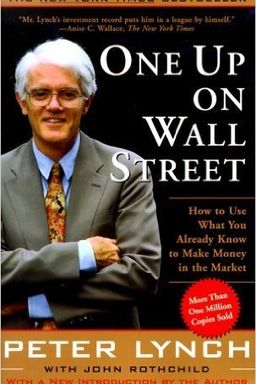
How do ordinary investors outsmart professionals? In One Up on Wall Street, Peter Lynch argues that successful stock picking is not a mystery reserved for Wall Street elites. You—armed with curiosity, observation, and basic arithmetic—can consistently find market winners before analysts or institutions notice them. His guiding philosophy is simple: invest in what you know, verify it with numbers, and hold long enough for earnings to reflect reality.
Lynch built his reputation running Fidelity’s Magellan Fund, which achieved legendary returns by applying this accessible method. He believes that your everyday life—stores, workplace habits, neighborhood trends—teems with clues about businesses destined to grow. But recognizing those clues is just the start. The difference between an intelligent amateur and a gambler lies in the discipline to research, value, and monitor the story.
The Amateur’s Edge
You encounter investment ideas before professionals simply because you’re closer to consumers. You might see packed Dunkin’ Donuts stores or crowded parking lots outside The Limited months before institutional analysts notice. Lynch calls this firsthand awareness the amateur’s edge. But enthusiasm alone isn’t enough; you must separate liking a product from investing in its producer. Seeing shoppers line up is your cue to research fundamentals—earnings, margins, and debt—before committing capital.
Well-known examples illustrate this habit. Carolyn Lynch spotted L’eggs pantyhose at grocery checkout counters; after Peter confirmed Hanes’s earnings trajectory, that observation became a major investment. Likewise, noticing companies like ADP—whose payroll systems gained consistent adoption in the 1970s—showed how durable service businesses could compound over decades. The act of noticing becomes powerful only when paired with the discipline of verification.
Why the Street Lags
Institutions, by contrast, often can’t act quickly. Their size, risk rules, and bureaucratic constraints make them late to small or unconventional stories. Many funds can’t hold more than a few percent of a small-cap stock, and career risk pushes managers toward “safe” names. This creates an institutional lag—a window of opportunity for individuals. Companies like Service Corporation International (SCI) or Crown, Cork & Seal thrived quietly for years before analysts covered them. Lynch urges you to exploit that lag by owning overlooked, sound companies before the professionals discover them.
The Perfect Stock and Its Traits
A perfect stock, in Lynch’s model, often looks boring. The ideal company has a dull name, operates in an unglamorous niche, serves repeat customers, and quietly buys back stock. It might be a funeral home chain, a grease recycler, or a regional cleaning service. Boredom keeps competition and hype away, allowing fundamentals to compound. Low institutional ownership, insiders buying shares, or spinoff dynamics make these companies fertile hunting grounds for tenbaggers—stocks that rise tenfold.
Think of “Cajun Cleansers,” a playful archetype Lynch uses—a company with no PR glitter but deep local dominance, zero debt, insider ownership, and room to grow. The lesson: success hides behind the ordinary, not the spectacular headline. (Warren Buffett calls similar traits “moats;” Lynch calls them “advantages hiding in plain sight.”)
Understanding the Story and the Numbers
Every investment must rest on a story you can tell in two minutes: what the company does, why earnings will rise, and what could derail the thesis. This mental drill forces clarity and self-discipline. Lynch’s La Quinta example shows this vividly: its cost-minimized motel model—no restaurants, linked with nearby diners, financed smartly—formed a replicable, verifiable story that delivered tangible earnings growth. By contrast, the gourmet sandwich chain Bildner’s failed because the concept wasn’t scalable beyond one city block.
Earnings and Valuation as Anchors
Lynch insists: follow earnings, not prices. A stock’s price alone offers no information without understanding what earnings justify it. He calls the p/e ratio “the shorthand of the market’s language”—a quick translation of expectations. A p/e of 10 suggests steady value; a p/e of 40 demands fast growth. Cases like EDS, Polaroid, and Avon in the 1970s show how optimistic multiples implode when growth slows. Rational investing means matching expectations to plausible earnings power.
Why Forecasting Fails
Market timing, he warns, is a losing game. Crashes like October 1987 prove how unpredictable short-term movements are. Rather than predict turns, you should design a portfolio for endurance—mix stalwarts with fast growers and hold for years. Missing just a few of the market’s best days can halve your returns. Patience, not prophecy, compounds wealth.
Core Message
Lynch’s philosophy fuses common sense with evidence: observe first, verify financially, classify the company correctly, ignore hype, and let time and earnings do the work. You don’t need forecasts; you need facts and patience.
Across the book, the thread is empowerment: amateurs already possess the keys to success if they observe, question, and hold. In essence, One Up on Wall Street is not about beating professionals at their own game—it’s about playing a simpler, truer one, where logic, patience, and everyday insight win over noise and speculation.