
Idea 1
The Power of Small Steps: The Kaizen Way to Transform Your Life
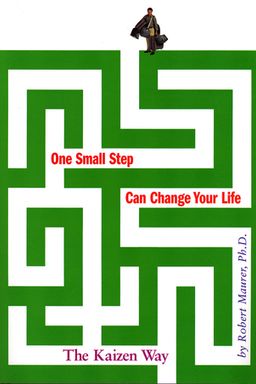
When you think about making big changes—starting a business, rebuilding your health, or improving your relationships—does it feel thrilling or terrifying? Most of us have been taught that success requires dramatic leaps, heroic willpower, or sudden transformation. But in One Small Step Can Change Your Life: The Kaizen Way, psychologist Robert Maurer argues the opposite: lasting change begins with the smallest of steps. Drawing from his experience at UCLA’s School of Medicine and from Japanese business philosophy, Maurer shows that small, consistent actions not only make change possible—they’re the only reliable way to make it stick.
At the core of this book is the Japanese concept of Kaizen, which means “continuous improvement.” Originally developed in Japanese manufacturing after World War II—with Toyota as its most famous model—kaizen became known for using many tiny improvements to build world-class systems. Maurer extends this principle from the factory floor to the human mind, demonstrating how small, unthreatening actions can rewire our brains, neutralize fear, and open the doors to creativity, health, and fulfillment.
Why Change Feels So Hard
The starting point, Maurer explains, is understanding that our brains are not designed for modern, sudden changes. The ancient part of the brain—especially the amygdala—interprets any form of novelty as potential danger. That’s why bold New Year’s resolutions or ambitious fitness plans so often trigger anxiety, self-sabotage, and paralysis. To change successfully, we must learn to bypass the brain’s fear response, and kaizen provides that pathway.
Maurer’s insight is that small actions are so modest that they “sneak” past the amygdala. When you ask your brain to take an unthreatening step—like flossing just one tooth or walking in place for one minute—it calms the fear response while gradually retraining your neural circuits. With repetition, your mind begins to reshape itself around the new habit, laying down what Maurer calls a “neural blueprint for success.”
The Six Core Kaizen Strategies
Maurer introduces six primary techniques to help you master the art of kaizen in any area of life:
- Ask small questions to awaken creativity and lower fear.
- Think small thoughts through mental rehearsal called “mind sculpture.”
- Take small actions that bypass resistance while building habits.
- Solve small problems before they spiral into crises.
- Bestow small rewards to reinforce motivation and internal pride.
- Identify small moments of learning, joy, and connection to deepen purpose.
Each of these strategies, as he shows through engaging stories—from patients at UCLA’s medical center to business leaders and couples—demonstrates how incremental progress outperforms dramatic overhauls. Whether helping a single mother overcome exhaustion, a manager fix an underperforming team, or a patient conquer an addiction, the formula remains the same: reduce fear, invite curiosity, and keep moving forward one manageable step at a time.
Kaizen Beyond Business
While kaizen began as a business philosophy for efficiency and quality improvement, Maurer insists it’s also a spiritual practice—a way of living purposefully and gratefully. He draws connections to teachings from Mother Teresa, John Wooden, and Thich Nhat Hanh, who all taught that greatness stems from attention to small acts of love, value, and presence. In this sense, kaizen is about more than progress; it’s about cultivating mindfulness: improving relationships through daily kindness, sustaining health through inch-by-inch adjustments, and rediscovering meaning through gratitude for life’s simplest gifts.
Why Small Steps Matter
This approach runs counter to Western culture’s obsession with innovation, which prizes bold leaps and radical change. Yet as Maurer notes, innovation often fails precisely because it triggers the very fear that halts action. In contrast, kaizen invites patience and consistency. Like compound interest applied to personal growth, each tiny step builds momentum, rewires the brain, and eventually produces exponential results—without the stress or burnout of sudden upheaval.
Ultimately, One Small Step Can Change Your Life offers a compassionate roadmap for transformation that honors both science and the human spirit. Maurer’s message is deceptively simple: by respecting the brain’s natural resistance to change, you can embrace an approach so gentle—and so sustainable—that success becomes inevitable. In a noisy world of quick fixes and performance hacks, kaizen stands out as the quiet revolution—one small moment at a time.