
Idea 1
The Seven Sins as Social Code
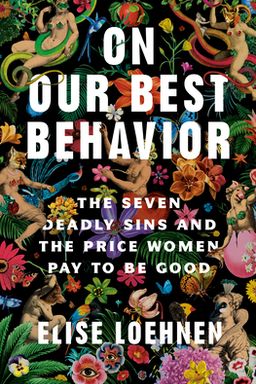
How can you stop living under the weight of shame and still act with integrity? In On Our Best Behavior, Elise Loehnen argues that the Seven Deadly Sins have been repurposed as a cultural operating system that trains women to police themselves—keeping behavior legible and power consolidated. Loehnen contends that these sins—sloth, envy, pride, gluttony, greed, lust, and anger—are not fixed moral laws but social technologies that shape which emotions and desires you’re “allowed” to have. To reclaim freedom, you must understand how these categories traveled from monastic psychology to mass culture and then reframe them as inner signals instead of cudgels.
Loehnen starts with the genealogy. In the fourth century, Evagrius Ponticus described eight “logismoi” (troubling thoughts) as tools for spiritual discernment. Centuries later, Pope Gregory I collapsed and reworked them into the seven that persist. Medieval teachers—Dante, Chaucer, Aquinas—dramatized them so vividly that they seeped into secular life. Because the sins are subjective (“too much” pride, “too much” appetite), they function as a whip without a rulebook: you never know when you’ve crossed the line, so you keep yourself small. For women, this subjectivity has consistently mapped onto expectations of modesty, purity, and service.
Key Idea
“The attempt to avoid these sins corrals women and diminishes the potential fullness of our lives…The Seven Deadly Sins are primary threads of this sticky web.”
How shame gets installed
Loehnen shows how churches, courts, classrooms, and media translate theology into everyday scripts. Consider Mary Magdalene: although canonical gospels cast her as first witness to the resurrection, Pope Gregory later conflated her with the “sinful woman,” turning her into a convenient emblem of female vice (Karen King and Jean-Yves Leloup help Loehnen unpack this). Such interpretive moves matter: they set the tone for eras of witch hunts (Heinrich Kramer’s Malleus Maleficarum), dress codes that blame women for men’s distraction, and cultural sayings like “Pride goeth before a fall” that become reflexive self-checks.
What the book actually does
Part 1 reframes each “sin” as a site of reclamation. Sloth becomes a lens on your right to rest in a culture of overwork (from Martin Luther’s Protestant ethic to factory clocks). Envy becomes a compass for desire rather than a mark of meanness. Pride becomes “healthy narcissism” (Craig Malkin) that lets you own your gifts despite the likability trap. Gluttony expands to body politics: fatphobia, diet culture, and trauma’s imprint on appetite (Aubrey Gordon, Roxane Gay, Geneen Roth). Greed separates legitimate security from hoarding while surfacing women’s scripted discomfort with money (Sallie Krawcheck, Lynne Twist).
Part 2 braids sexuality, boundaries, and justice. You learn why arousal doesn’t equal consent (Meredith Chivers), how fantasies can be tools rather than literal wishes (Michael Bader), and why consent culture must center clear yes/no rather than compliance (Melissa Febos’s “cuddle party”). Anger gets reframed through needs (Marshall Rosenberg) and relational science (John and Julie Gottman). Grief—pushed off Evagrius’s list—returns as necessary work (George Bonanno, Nora McInerny), anchored by Loehnen’s loss of her brother-in-law Peter. Across these threads, Loehnen names “himpathy” (popularized by Kate Manne; Loehnen notes its cultural use) as a force that shields perpetrators and erases survivors.
From policing to integration
The book closes by revisiting early Christian and Gnostic currents to suggest that these energies were once treated as climates to integrate, not demons to exile. Rehabilitating Mary Magdalene, embracing both “Divine Feminine” and “Divine Masculine” (Marion Woodman & Elinor Dickson), and reading Evagrius as a psychologist rather than a mere moralist, Loehnen invites you to turn shame into information. That move requires inner discernment (meditation, journaling, “The Work” of Byron Katie) and outer action (policy for rest and childcare, accountability for sexual violence, economic equity).
In short: the Seven Deadly Sins became a casing around your aliveness. Loehnen’s project peels that casing off. By seeing how power engineered these categories and by learning to translate each “sin” back into a healthy human capacity—rest, wanting, self-regard, nourishment, security, erotic agency, righteous anger, and shared grief—you recover a steadier inner compass and help build a culture that no longer needs shame to keep order.