
Idea 1
Advertising as the Art of Selling, Not Just Creativity
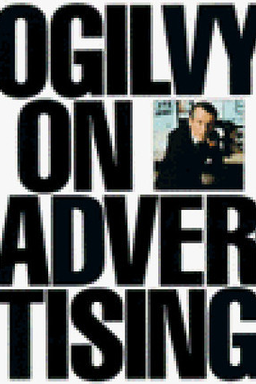
What truly makes an advertisement unforgettable? Is it a clever line, a beautiful image, or a surge in sales? In Ogilvy on Advertising, David Ogilvy—often called 'the father of advertising'—makes a compelling case that good advertising is first and foremost about selling. For Ogilvy, creativity is not the goal; it’s a means to an end. The final measure of success is whether the cash register rings. His book, steeped in decades of field experience and global campaigns, is part memoir, part manual, and part manifesto for anyone serious about marketing and communication.
Ogilvy’s central claim is clear: advertising is a science of persuasion wrapped in the art of communication. He argues that the principles of effective advertising are universal and timeless, resisting fashionable theories and fads. Whether you’re selling soap in postwar America or financial services in 21st-century Asia, the guiding principle is the same—know your product, know your audience, and deliver your message so compellingly that people act on it.
A Philosophy Rooted in Results
Ogilvy never saw himself as an artist or a showman. Drawing from his early days as a door-to-door salesman for Aga cookers in Scotland, he developed a near-religious faith in research, preparation, and measurability. As he famously wrote, “I don’t want you to tell me my ad is creative. I want you to find it so interesting that you buy the product.” To Ogilvy, advertising that doesn’t move consumers to action is mere decoration.
He rejected the modernist notion that “old” techniques are obsolete. Slice-of-life storytelling, talking heads, factual copy, and demonstrations may be unfashionable to creative elites—but Ogilvy argues that they endure because they work. Through clear examples—Rolls-Royce’s “At 60 miles an hour, the loudest noise comes from the electric clock,” Pepperidge Farm’s horse-drawn bakery van, and the rugged Marlboro cowboy—he shows how disciplined research, clarity, and strong positioning create enduring campaigns that outlive fads and fashions.
Research, Positioning, and Brand Image
Ogilvy places research at the heart of advertising. He insists that every campaign should start with what he calls “homework”—a deep dive into what consumers want, what competitors offer, and what language ordinary people use. Combined with a firm understanding of positioning (“what the product does, and who it’s for”), this research fuels “the big idea”—a memorable creative concept that can endure for thirty years or more. For example, his positioning of Dove as “a bar for women with dry skin” rather than a detergent bar for men transformed it into a global icon for care and quality.
Equally central is the notion of brand image. Ogilvy believed products, like people, have distinct personalities. Advertising doesn’t just sell a bar of soap—it sells trust, aspiration, identity, and status. That’s why Marlboro’s cowboy matters as much as its tobacco or Jack Daniel’s “homespun honesty” defines its taste. Every advertisement must strengthen the personality of the brand—or risk diluting it into noise.
The Advertising Profession: Craft and Discipline
The book goes beyond craft to offer a portrait of the advertising world itself—its structures, its roles, and its human dramas. Ogilvy introduces readers to the distinct species that make up an agency: the obsessive copywriter, the imaginative art director, the harried account executive, and the idealistic researcher. He portrays agencies as fragile ecosystems driven by anxiety, ambition, and creative tension. Running one requires both discipline and humanity. His leadership philosophy—hire “giants rather than dwarfs,” eliminate politics, enforce punctuality, but make work fun—has shaped management thinking far beyond Madison Avenue.
For those entering the field, Ogilvy offers hard advice: advertising isn’t a playground. It demands curiosity, humility, and relentless testing. He warns against “moonlighting geniuses” who despise research and worship originality for its own sake. True professionalism, he maintains, lies in combining imagination with evidence—a lesson echoed later by thinkers like Daniel Kahneman in Thinking, Fast and Slow, who also showed that persuasion depends on psychology more than artistry.
A Human and Ethical Dimension
Though famous for his commercial prowess, Ogilvy’s worldview extends beyond selling. He defends advertising against its critics (from Galbraith to Toynbee) by arguing that it can be a force for social good—a tool to raise funds, promote education, and even curb population growth. His chapters on public service campaigns, from cancer prevention in India to anti-alcohol advertising in Norway, illustrate how carefully crafted messages can change behavior for the common good.
Yet he is also brutally honest about the industry’s failings—its waste, its dishonesty in political advertising, and its tendency to mistake cleverness for effectiveness. His call for clarity, information, and respect for the intelligence of the consumer remains an ethical rallying cry: “The consumer is not a moron, she is your wife.”
Timeless Lessons for a Changing World
Ogilvy closes on a prophetic note. Writing in 1983, he predicted thirteen major shifts in the future of advertising—from more informative messages to global campaigns, the end of billboards, and the rise of direct-response methods powered by data. Many of these predictions have come true. In today’s digital age, where algorithms track clicks instead of readership, Ogilvy’s insistence on truth, relevance, and measurable results feels more urgent than ever.
Reading Ogilvy on Advertising is like attending a masterclass in marketing fundamentals, creativity, and human psychology. It’s a book that reminds anyone in business, not just advertising, that success depends on understanding people—not just as consumers, but as thinking, feeling human beings. Whether you’re launching a startup or managing a global brand, Ogilvy invites you to blend art with science and, above all, to never forget that the best advertising tells the truth interestingly.