
Idea 1
Healing Relationships Through Nonviolent Communication
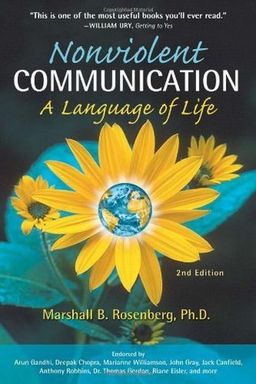
Have you ever felt trapped in a painful relationship, caught between resentment and a longing to reconnect? In Nonviolent Communication: Getting Past the Pain Between Us, Marshall B. Rosenberg, PhD, offers a transformative approach to healing and reconciliation that doesn’t require compromise or guilt. His simple yet profound premise is that genuine connection and compassion can mend even the deepest wounds—if we learn to listen and speak from the heart.
Rosenberg contends that traditional methods of dealing with conflict—apologies, blame, logical debate, or emotional withdrawal—fail because they reinforce separation rather than connection. Instead, he introduces Nonviolent Communication (NVC), a process rooted in empathy, presence, and mutual understanding. Rather than focusing on who’s right or wrong, NVC turns our attention to what’s alive in us: our feelings and needs in each moment. According to Rosenberg, this awareness helps us connect to others in a way that dissolves defensiveness and opens the path to healing.
The Four Stages of Healing
The book’s central message is structured around four stages of relational healing, each building upon the last. The first stage, empathic connection, involves being completely present with another person’s emotional reality—listening not to respond, but to understand. The second stage, mourning, invites us to grieve the pain our actions may have caused, not through guilt but through self-compassion and sadness for unmet needs. In the third, acknowledgment, we reveal the unmet needs behind our own past behaviors, giving others insight into our inner world. Finally, reverse empathy occurs when, after feeling fully heard, the other person naturally wants to empathize with us.
Throughout, Rosenberg demonstrates these principles using live workshop dialogues—most memorably, a healing conversation between a woman and her estranged brother, and another between a man and his mother. These emotionally charged exchanges illustrate that reconciliation isn’t about forgiveness or forgetting—it’s about mutual recognition. When each person’s pain and unmet needs are witnessed and understood, healing follows naturally.
Beyond Therapy: Everyday Compassion
Rosenberg’s approach goes beyond therapy rooms or peace talks; it’s practical for daily life. Whether in families, workplaces, or communities, you can use NVC to prevent conflict before it begins. By focusing on what matters most—your needs and the needs of others—communication transforms from a defensive exchange into an act of mutual care. He encourages us to move away from “moralistic thinking,” the habit of labeling others as good or bad, right or wrong. Such binary thinking, he argues, is the root of much human suffering.
The beauty of Rosenberg’s method lies in its simplicity: feelings point to unmet needs. By identifying and expressing these needs without judgment or demands, you cultivate a climate of empathy. Even when reconciliation isn’t immediately possible—say the other person has passed away or refuses engagement—Rosenberg shows how you can achieve inner healing by giving empathy to yourself or through guided role-play.
Why This Matters in a Violent World
In a world that glorifies competition and punishment, learning to listen without judgment is revolutionary. Nonviolent Communication is not merely a communication technique; it’s a way to live peacefully in alignment with empathy and authenticity. Rosenberg’s work has been used in war zones, prisons, classrooms, and homes alike. What he teaches is that peace begins with understanding—not agreement. The moment we stop defending ourselves and start listening for the human need behind every action, reconciliation becomes possible.
Throughout the chapters, Rosenberg introduces moving real-life stories—a woman healing bitterness toward her brother, another confronting trauma after war atrocities, and a son seeking peace with his critical mother. Each case illuminates different aspects of the healing process and reminds readers that empathy is both deeply personal and universally transformative.
“Empathy,” Rosenberg writes, “is the most precious gift one human being can give another—it is a presence, not an act.”
This book reminds you that reconciliation doesn’t come from talking about the past, proving a point, or fixing anyone. It arises when two human beings meet in the present moment and recognize each other’s shared humanity. Getting Past the Pain Between Us shows you how to make that possible—step by step, word by word, heart to heart.