
Idea 1
The Branded World: How Meaning Replaced Manufacture
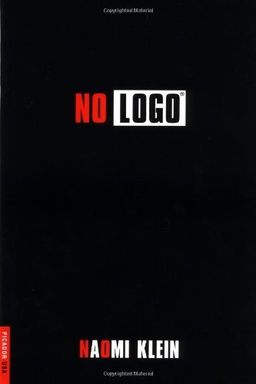
How did corporations transform from producers of goods into creators of worlds? In No Logo, Naomi Klein shows that the late twentieth century marks a shift from competing through production to competing through branding. The company no longer sells you a shoe or a burger—it sells you belonging, meaning, and identity. This shift, Klein argues, reconfigures how capital is organized, how culture is made, and how citizens experience public space.
From Product to Brand Essence
The twentieth century began with mass production and advertising designed to humanize anonymous goods. But by the 1980s, executives such as Tom Peters and Scott Bedbury (of Nike and Starbucks fame) treated the brand itself as the product. When Philip Morris paid billions to acquire Kraft largely for its name, it was clear that emotional resonance—not physical output—had become the company’s main asset.
Klein calls this the rise of the brand economy: value shifts from factories to symbols, from labor to lifestyle. Companies outsource physical production while guarding the brand like sacred property. The stories attached to logos—"Just Do It," "Think Different"—become the true capital.
The Hollowed Corporation
As meaning replaces materiality, corporations shed factories and workers. The Nike model keeps design and marketing in Oregon while contracting factories in Indonesia. The Microsoft model outsources everything but software ownership. This frees capital but erodes job stability, pushing risk down the chain to disposable contractors. (Note: scholars like David Harvey describe this as flexible accumulation—a global reorganization of production.)
The paradox is that as corporations shrink physically, their symbolic presence explodes. Logos saturate billboards, television, and now cityscapes, establishing brand visibility as a substitute for direct production.
Culture as Corporate Real Estate
Klein documents how this branding logic invades social life. Public spaces become ad canvases: Regent Street’s YSL lights, Levi’s SilverTab murals in Toronto, and even an entire Washington town branded after a candy. Sponsorship evolves into ownership—Molson’s Blind Date concerts and Nike Town stores blur the line between consumer and citizen. What once were civic or artistic venues now serve as extensions of corporate identity.
The Politics of Meaning
When corporations sell meaning, they become moral actors. They promise empowerment (Girl Power), multiculturalism, or community service—but often as marketing posture rather than structural reform. Klein shows how feminist, environmental, or anti-racist language is absorbed and sanitized into ad copy. Representation replaces redistribution; visibility becomes a sales pitch rather than a political victory.
Why This Shift Matters
The brand revolution redefines power itself. It gives corporations unprecedented control over cultural narratives, education, and even physical space. As Klein puts it, every time a public square becomes a sponsored plaza or a classroom plays corporate-produced videos, the boundaries of public life shrink. This isn’t just marketing—it’s privatization by aesthetics.
Core lesson
When the brand replaces the product, capital detaches from place, meaning becomes property, and citizenship turns into consumer loyalty.
You live, study, and shop in a world built from this logic. Understanding it is the first step toward reclaiming culture and work from the grip of the logo.