
Idea 1
Bringing Emotion to Work for Real Success
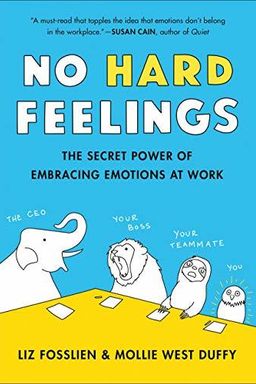
Do you ever feel like you’re supposed to leave your feelings at the door when you walk into the office? In No Hard Feelings, Liz Fosslien and Mollie West Duffy challenge one of the most common myths of professional life: that emotion is inherently unprofessional. They argue instead that success—real success measured not just in status but in fulfillment—depends on embracing, understanding, and skillfully managing our emotions at work.
Drawing from research in behavioral psychology, neuroscience, and organizational design, Fosslien and Duffy present eight interconnected areas where emotional intelligence and expression matter most: health, motivation, decision making, teamwork, communication, culture, leadership, and emotional skill-building. Their central message? Emotions don’t need to be suppressed—they need to be decoded, respected, and utilized as tools for better collaboration, leadership, and personal growth.
The Shift from Emotional Suppression to Emotional Fluency
According to the authors, modern workplaces are more emotionally demanding than ever. We collaborate constantly, communicate across digital platforms, and let our identities intertwine with our careers. Yet, for decades, professionalism was equated with emotional neutrality—an impossible standard that leads to burnout, confusion, and disconnection. Fosslien and Duffy counter this idea with a call for “reasonable emotionality”—you shouldn’t spill your feelings uncontrollably, but you should learn when and how to express them usefully.
The authors suggest developing emotional fluency—the ability to sense emotions thoughtfully and translate them into healthy action. This is about knowing when to cry at work, when to confront, when to share vulnerability, and when to hold back. Emotional fluency, they argue, allows you to be authentic without creating chaos, and empathetic without losing focus.
Emotions as Data, Not Distractions
Emotions are information. When you feel envy, anxiety, or anticipation, those feelings serve as signals pointing to underlying values and needs. In No Hard Feelings, the authors reinterpret common emotions as useful data: envy shows you what you value, gratitude keeps motivation alive, and regret helps shape better decisions. Feelings aren’t enemies of reason—they’re its partners.
This approach mirrors perspectives in Daniel Goleman’s Emotional Intelligence and Susan David’s Emotional Agility. But Fosslien and Duffy go further by integrating these ideas with workplace dynamics—from the daily frustrations of digital miscommunication to the deeper question of how organizations build emotional cultures that either stifle or empower people.
Creating Emotionally Intelligent Cultures
The authors reveal how emotional cultures—shared patterns of feeling and expression—cascade from individuals. A rude boss can contaminate an entire office with anxiety, while one act of compassion can ripple through networks. This is why small emotional actions, like smiling, naming feelings, and giving recognition, hold disproportionate power. Culture isn’t just what a company values on paper; it’s how people feel each day.
They introduce practical tools like the “10/5 rule” from Ritz-Carlton (smile at colleagues within ten feet, greet them within five), and “microactions,” small gestures that convey belonging—using someone’s name correctly, asking thoughtful questions, or simply listening attentively. These everyday emotional behaviors shape whether an organization feels transactional or genuinely human.
From Emotional Intelligence to Emotional Leadership
Perhaps the most moving stories in the book involve leaders who show selective vulnerability—what the authors call the seventh “new rule” of emotional mastery. Howard Schultz of Starbucks cried in front of his employees, showing genuine concern during crisis and pairing emotion with a plan for recovery. Laszlo Bock at Google revealed his brother’s death to his team to foster compassion and trust. Each example illustrates how healthy vulnerability, paired with competence and purpose, makes leaders not weaker but more respected.
Through these stories, Fosslien and Duffy invite readers to reconsider work not as a place to restrain feelings but as a platform for emotional growth. Emotions, they insist, don’t derail professionalism—they define it when managed with care. When you learn to let your feelings inform rather than overwhelm you, work becomes not just productive, but humane.