
Idea 1
The Hidden Harm of Nice Racism
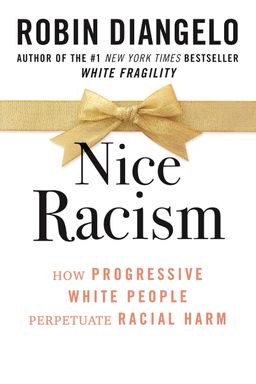
Have you ever felt proud of being one of the “good” white people — someone open-minded, kind, and committed to equality — only to realize that good intentions aren’t enough? In Nice Racism, Robin DiAngelo challenges white progressives to confront the uncomfortable truth that niceness and self-image as allies often conceal subtle yet damaging forms of racism. She argues that the most daily harm to Black, Indigenous, and people of color (BIPOC) doesn’t come from overt white supremacists, but from seemingly well-meaning white progressives who imagine themselves beyond racism.
DiAngelo expands the ideas first introduced in her bestseller White Fragility. But this time she turns her attention specifically to white people who see themselves as anti-racist. Through personal stories, historical analysis, and sharp social critique, she shows how patterns like self-congratulation, politeness, color-blindness, and defensiveness perpetuate the very systems these individuals claim to resist. Her goal isn’t to shame white people into paralysis but to reveal where and how our socialization into whiteness continues to operate — especially when we believe we’ve already “done the work.”
White Progressives and Their Blind Spots
DiAngelo defines “nice racism” as the subtle, everyday enactments of white superiority among people who identify themselves as progressive. These acts are hidden beneath good intentions, politeness, or presumed enlightenment. They’re often internal and habitual — patterns like seeking validation, speaking over BIPOC colleagues in meetings, avoiding discomfort, or making diversity about personal virtue rather than structural change. She argues that niceness functions as a shield: it protects white people from guilt while demanding constant emotional labor from people of color to affirm white innocence.
The Anatomy of White Denial
One of the central threads of the book is understanding how white people deny racism. This isn’t denial in the crude political sense — like insisting racism doesn’t exist — but a deeper emotional resistance. White progressives, she writes, often displace accountability by invoking personal exception (“I’m one of the good ones”) or focusing on individual values instead of collective complicity. They might point to their education, liberal politics, cross-cultural friendships, or social justice work as proof of moral purity. Yet, DiAngelo warns that such credentialing blocks growth. As long as racism is imagined to be what bad people do intentionally, nice white people will remain invested in appearing nonracist instead of addressing systemic power.
Why This Conversation Matters
Racism isn’t sustained merely through violent acts or laws — it’s perpetuated through culture, language, silence, and emotion. In DiAngelo’s view, her book is meant to help white people “do less harm.” This work is less about proving goodness than cultivating courage, humility, and lifelong accountability. She positions herself as a white insider to whiteness, sharing candid stories of failure and reflection. Her aim is not to teach white people about Black people but to teach white people about themselves — how white social conditioning and collective denial keep power intact even among self-proclaimed allies.
The Stakes of Niceness
The book’s stories — from awkward workshops to painful interracial interactions — highlight how white people’s fear of conflict, obsession with civility, and performative progressivism reinforce racial hierarchies. By choosing comfort over confrontation, DiAngelo argues, white progressives protect the very systems they claim to challenge. In other words, niceness becomes a political act of avoidance. This is why she calls for courage over politeness, accountability over self-image, and community over individualism.
Through its twelve chapters, Nice Racism explores how white progressives generalize, justify, or redirect conversations on race; the emotional patterns of guilt, shame, and trauma that block learning; and the need for anti-racism to be a lifelong spiritual and relational practice. Her message is clear: racism is not only about hate — it’s about habit. And dismantling nice racism begins with recognizing how those habits live within us, even when we mean well.