
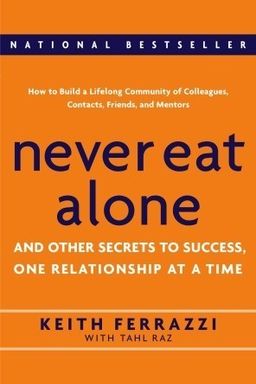
Never Eat Alone cover

Never Eat Alone

by Keith Ferrazzi

In ''Never Eat Alone,'' Keith Ferrazzi reveals the true secrets to successful networking: building authentic, lasting relationships. Through tried and tested methods, Ferrazzi guides you to thrive in your career by fostering genuine connections and embracing a spirit of generosity and loyalty.

Build Deep Success Through Relationships

Keith Ferrazzi’s Never Eat Alone teaches that long-term success and happiness come from authentic relationships built on generosity and shared purpose, not transactional networking. The book isn’t a manual for social climbing—it’s a framework for living relationally. Ferrazzi argues that the people who create opportunity aren’t the most talented or lucky, but those who consistently invest in others, connect ideas, and stay visible through authentic generosity.

The Core Argument: Generosity as Currency

Ferrazzi’s central thesis is simple yet radical: give before you get. He urges readers to replace scorekeeping with generosity. You win in life not by hoarding contacts or favors but by sharing them freely. People remember genuine aid—a job lead, an introduction, a personal gesture—and reciprocity follows naturally. Examples like Mrs. Poland, who helped young Keith as a caddie, and Jack Pidgeon, his headmaster who supported students without asking favors, reinforce this ethic. In business and beyond, generosity compounds like interest.

From Mindset to Strategy

Ferrazzi blends philosophy with actionable systems. The first step is mindset: seeing every interaction as a chance to help, learn, or uplift. Next comes goal-driven networking—defining your own “blue flame,” the mix of passion and skill that guides who you should meet and what you should give. Then you build before you need it: cultivating relationships in advance so you’re supported when transitions come. These steps shift networking from a shallow activity into a long-term investment portfolio of trust.

The essence is deliberate preparation. Ferrazzi keeps lists, prepares before meetings, and never relies on randomness. He creates an ecosystem of contacts, categorized and routinely “pinged” to stay alive. Conferences, events, and dinners are treated as strategic opportunities—not for superficial schmoozing but for genuine connection through vulnerability, follow-up, and shared goals.

The Structure of Lasting Relationships

At the micro level, success in connection depends on small talk skills, respectful first impressions, and seeing conversations as an exchange of mission. Every person has something that drives them—their health, wealth, or children—and when you help them progress in those areas, loyalty deepens. Personalized gestures, like introducing mentors or helping with medical or family matters, create what Ferrazzi calls “life-bonding loyalty.”

At the macro level, you amplify influence by acting as a switchboard—a social arbitrageur connecting separate worlds. You bridge groups, share knowledge, and create value through introductions, turning yourself into an indispensable hub. Research by Ron Burt supports this: people who span disconnected networks innovate more and advance faster.

Systems and Habits That Sustain Connection

Ferrazzi’s system includes consistent “pinging”: short touches to keep relationships vibrant. Whether by message, article, birthday call, or introduction, these reminders preserve presence. Technology helps scale it—CRM tools, reminders—but sincerity makes it stick. His rule of thumb is frequency and value: repeat enough to be remembered, but always add substance.

Hosting anchor-tenant dinners is another powerful habit. Bring together diverse circles with one respected anchor guest—someone who attracts others. The host’s generosity and energy unite people across fields, creating collaboration. It’s a deliberate environment where networks interlace and new ideas spark.

Personal Branding and Humility

Ferrazzi reminds you that visibility matters. You must define your personal brand, communicate what you stand for, and broadcast your message with purpose—through writing, speaking, or media connections. Yet, authenticity and humility remain anchors. His misstep with William F. Buckley Jr. taught him that hubris ruins credibility quicker than failure. To thrive, you must stay grounded, be coachable, and learn continually from mentors.

From Networking to Community

Ultimately, Ferrazzi argues that networking is not about collecting names—it’s about community building. He cites Franklin’s Junto or Wurman’s TED as modern examples: start with values, recruit peers, create forums where curiosity and generosity thrive. When you mentor others, learn from leaders, and convene people meaningfully, your network becomes an institution that transcends self-interest.

Core Message

Success is not about what you know or who you know—it’s about how sincerely you help people achieve what matters most to them. Build relationships before you need them, connect worlds that don’t usually meet, and never eat alone—not just in business but in life.


Adopt a Relational Worldview

Ferrazzi insists your worldview must shift from transactional to relational. Instead of calculating return, you cultivate goodwill. Giving opens far more doors than taking ever could. In every interaction—professional or personal—you start with the question, “How can I help?” This mindset transforms networking from manipulation to meaning.

Generosity as Practice

Generosity isn’t about grand gestures. It’s the daily discipline of introductions, thoughtful notes, and proactive kindness. Like a muscle, the more you exercise it, the stronger your social equity becomes. Ferrazzi’s mentors such as Jack Pidgeon embodied this rule: helping students and colleagues not for payback but principle. Over time, those ripples of help build a trusted community ready to support when needed.

What Generosity Isn’t

Manipulative “giving” fueled by ulterior motives backfires. Ferrazzi differentiates sincerity from strategy: support others without plotting advantage. When people feel genuine care, reciprocity blooms naturally. Trust becomes your long-term asset through which opportunities circulate freely.

Key Reminder

Don’t keep score. Treat relationships as living organisms—feed them generously and they’ll sustain you when it counts.


Design Goal-Focused Networks

Ferrazzi teaches that random socializing wastes time; purposeful networking multiplies impact. To succeed, he urges you to define your “blue flame”—a vivid intersection of passion and ability—and build relationships that align with that mission. Networking becomes your strategic roadmap, not a hobby.

Find Your Blue Flame

Your blue flame guides whom you should meet and what you should contribute. Like Dell’s flagpole dream evolving into measurable ambition, clarity about what energizes you ensures your network serves a real purpose. Without a mission, networking feels hollow; with one, it becomes directed fuel for achievement.

Networking Action Plan

Ferrazzi’s Networking Action Plan (NAP) turns aspiration into logistics. Write three-year goals, specify one-year steps, and map 90-day outreach actions. List people who can help and methods to engage them. The Yale study cited—where 3% of graduates who wrote goals outperformed peers dramatically—underscores written commitment’s power. Keep your NAP handy and reassess weekly.

Personal Board of Advisors

You execute the plan not solo but with chosen advisors. Pick mentors and peers who challenge assumptions and hold you accountable. Ferrazzi used such boards when leaving Starwood, relying on trusted friends like Tad Smith to vet options. This external feedback strengthens courage and judgment during pivotal moments.

Actionable Truth

Networking that’s anchored to goals creates exponential outcomes—you stop drifting and start designing a network with intention.


Be Bold and Ask

Ferrazzi argues that audacity turns polite wishes into actual opportunities. Fear stops most people from asking for help or introductions. Boldness, treated ethically and sincerely, changes your trajectory. Audacious requests paired with preparation and timing open doors that fear keeps shut.

Reframe Fear

Ferrazzi learned audacity from his father, Pete Ferrazzi, who approached strangers and CEOs alike with respect and directness. His story teaching Keith confidence—asking a CEO for school help—illustrates how courage combined with sincerity wins attention. The worst outcome is a polite “no”—the real loss is silence.

Techniques for Audacity

Practice DeAnne Rosenberg’s four-step script: state the situation, express feelings, give the bottom line, and end with an open question. Call decision-makers during quiet hours or use mutual references to warm introductions. Every bold act should rest on genuine value and preparation.

Real Results from Audacity

Whether sitting next to Phil Knight at Davos or persisting with Sony leaders, Ferrazzi demonstrates that confidence plus persistence earns outcomes. Even the shy can start small: one ask per week, one new event monthly. Over time, asking becomes comfort, not risk.

Lesson

Opportunity favors those audacious enough to ask and prepared enough to deliver value after the door opens.


Prepare, Connect, and Follow Up

Networking becomes powerful only when backed by preparation and persistence. Ferrazzi’s mantra: research before, engage during, and follow up after. Doing homework distinguishes genuine connectors from casual mixers.

Preparation Turns Chance Into Opportunity

Before meetings or events, study people—company news, hobbies, boards, and achievements. Ferrazzi used one-page bios to enter conversations intelligently. Today’s equivalent: LinkedIn and Google searches. Purposeful prep lets you offer value immediately and remember personal details later.

Warm Calls and Gatekeepers

Replace cold calls with warm calls using mutual references. Four rules guide the process: draft off credibility, state value fast, propose clear next steps, and offer compromises. Treat gatekeepers—assistants, receptionists—as allies, not barriers. Gratitude and honesty turn them into partners who ensure access.

Work the Room and Follow Up

At events, aim for meaningful exchanges—the “deep bump”—where vulnerability and attention spark a follow-up. Send a note within 24 hours, recall details from conversation, and offer next steps. Follow-up distinguishes people remembered from those forgotten.

Takeaway

Preparation and personalized follow-up turn even brief encounters into sustained relationships.


Keep Relationships Alive Daily

Ferrazzi’s secret to continuity is “pinging”: steady, small touches that keep connections fresh. People forget fast; repetition plus sincerity cements memory. Your role is to stay relevant without being overwhelming.

Build a Pinging System

Categorize contacts by importance—monthly pings for core allies, quarterly for secondary, annual for distant. Use technology for reminders but add personal touches: send articles, call at birthdays, or share updates. Ferrazzi once sang a birthday song that moved a friend to tears, reminding readers how simple acts of attention build loyalty.

Value Over Volume

Every ping should offer substance—introductions, insights, congratulations, or shared humor. These moments create emotional deposits in your social bank. Repetition ensures recognition; relevance sustains respect.

Rule of Thumb

People forget messages quickly but remember care deeply. Show up often enough to be remembered, thoughtfully enough to be valued.


Be a Bridge and a Teacher

Ferrazzi expands “networking” into the concept of social arbitrage—creating value by connecting worlds that don’t overlap. You become a switchboard for information, opportunity, and talent. The more diverse your circles, the greater your creative leverage.

Act Before You’re Asked

When someone mentions a need, respond instantly. Keith’s example of calling a realtor mid-conversation demonstrates speed and initiative. Helping quickly magnifies perceived competence and care.

Share Knowledge Generously

Knowledge becomes your currency. Create summaries of insightful articles or industry trends and distribute them freely. You become the trusted source others rely on, which strengthens influence and reciprocation.

Think Like a Bridge

Ferrazzi cites Ron Burt’s research showing that people spanning disconnected networks innovate and advance faster. By linking engineers to marketers or donors to nonprofits, you become a catalyst others seek. In doing so, you elevate entire groups while reinforcing your reputation for usefulness.

Essential Habit

Don’t wait for tasks—connect ideas and people proactively, and you’ll always be indispensable.


Master Visibility and Humble Growth

Ferrazzi closes by emphasizing that visibility and humility are interdependent. You must broadcast your personal brand without losing authenticity. Self-promotion works only when it’s anchored in service and character.

Build a Clear Personal Brand

Identify key adjectives you want linked to your name—reliable, creative, generous—and articulate them in a concise personal branding message (PBM). Package your brand consistently: web presence, speaking tone, appearance. Ferrazzi’s bow tie became symbolic early on, showing how even small consistent signals increase recognizability.

Broadcast Authentically

Use writing and media strategically to share ideas, not brag. Publish articles, host events, and maintain journalist relationships. Writing opens dialogue; coauthoring exposes you to influential thinkers. Treat your visibility as public service—educate, inspire, and connect others through your voice.

Anchor in Mentorship and Community

Humility binds it all. Mentoring and being mentored keep you grounded. Ferrazzi’s experience with Pat Loconto and William Buckley highlights learning from both success and missteps. Don’t just join existing circles—create communities like Franklin’s Junto or Wurman’s TED. Each gathering should institutionalize generosity and intellectual exchange.

Guiding Principle

Visibility amplifies generosity; humility sustains it. Be seen for the good you create, not the attention you chase.

Dig Deeper

Get personalized prompts to apply these lessons to your life and deepen your understanding.

Go Deeper

Get the Full Experience

Download Insight Books for AI-powered reflections, quizzes, and more.