
Idea 1
Building Neuroinclusive Workplaces
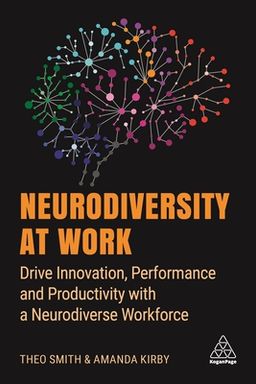
Why do some organizations unlock extraordinary talent while others overlook it? In Neurodiversity at Work, Theo Smith and Professor Amanda Kirby argue that building neuroinclusive workplaces is not just moral—it is strategic, practical, and essential for sustainable business. Their case unfolds through ethics, innovation, recruitment design, and management practice, showing you that cognitive variety drives creativity, resilience, and performance when systems allow it to thrive.
The book begins with three overlapping rationales: a moral argument for fairness and equality (aligned to UN Goals 3, 5, 8, and 10); a business argument linking diversity to innovation and profitability (McKinsey and Deloitte research); and a strategic argument urging active redesign of workplace systems. Together they form the foundation of modern inclusion. Neurodiversity is not about charity or exceptional allowances—it’s about designing environments where difference becomes an advantage.
Ethics and evidence
Amanda and Theo remind you that education, health, and employment systems often disable rather than support. Persistent disability employment gaps show that talent routinely goes unused. If fairness matters, your organization carries a moral duty to dismantle those barriers—through inclusive job design, flexible processes, and reliable measurement of representation and retention. Following Peter Drucker, “what gets measured gets managed”: few firms track neurodiversity specifically, yet metrics drive change.
The shift to systemic inclusion
Part of the book’s originality lies in reframing neurodiversity from diagnosis to design. It emphasizes intersectionality—how neurodivergence interacts with race, gender, and class—and argues that inclusion must target systems, not symptoms. Adjustments succeed when baked into policy, recruitment, and everyday management rather than added later. When employers treat inclusion as core architecture, barriers melt and innovation follows.
From labels to lived experience
Language matters because it shapes identity, access to support, and self-understanding. The authors unpack contested terms—neurodiversity, neurodivergent, neurotypical—and connect them to daily human choices. A label can open doors, as in Keith Fraser’s adult dyslexia diagnosis, or confine people to stereotypes. Amanda and Theo promote a biopsychosocial model that asks what context enables success rather than what category explains difference. That perspective turns “What’s wrong with you?” into “What helps you succeed?”
Strengths, kryptonite and superheroes
Core to their approach is understanding “spiky profiles”—uneven peaks of ability across domains—and “MAD abilities” (Moving Attitudes toward Diverse abilities). Everyone has kryptonite: friction points in environment or method that reduce performance. Removing kryptonite—like sensory overload from open-plan offices or rigid psychometric filters—reveals hidden superhero potential. Lincoln Barrett (DJ High Contrast) exemplifies this translation of strengths into success: his synesthesia and intense focus fuel world-class creativity when environments are tuned correctly.
From lost demographics to lasting systems
The authors spotlight those left behind: underdiagnosed women, ethnic minorities, care leavers, and people in prison systems (where one-third show neurodivergent traits). Recruitment pipelines often ignore them entirely. Initiatives like Shelley Winner’s US rehabilitation story and UK “ban the box” campaigns demonstrate how accessible pathways reintegrate talent. Neuroinclusion demands both outreach and fair-chance hiring.
Actionable architecture of inclusion
Policies and law—particularly the UK’s Equality Act 2010—create duties for reasonable adjustment and prohibit discrimination. But the book’s most important insight is practical: legal compliance is the floor, not the ceiling. It takes proactive design, from recruitment (structured, multi-path assessments) to onboarding (peer mentoring and tailored induction), and from line management (trust-based conversations) to networks (trained champions with governance). Each step transforms lived experience into systemic capability.
Central message
Neurodiversity is not a side project—it is a design principle for modern work. By removing kryptonite and building equitable, data-driven systems, you enable superheroes to thrive and transform culture from compliance to creativity.
Across industries—IBM, Autotrader, Admiral Insurance, Specialisterne—the same pattern emerges: inclusion built into recruitment, management, and feedback improves both human dignity and performance. The book ultimately invites you to measure, listen, and redesign so that difference becomes the competitive edge. That is what it means to build a neuroinclusive workplace.