
Idea 1
The Body as the Site of Racial Healing
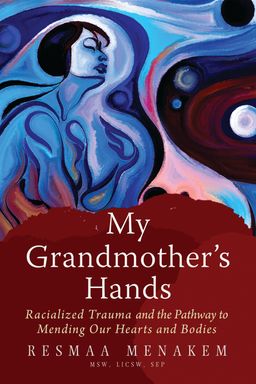
What if racial injustice isn’t just a moral or intellectual problem but a bodily one? In My Grandmother’s Hands, trauma specialist Resmaa Menakem argues that white-body supremacy lives in the flesh—literally in the nervous systems of people in white, Black, and police bodies. Racial trauma does not start in the thinking brain but in the body’s instinctive responses to threat. This shift in perspective—seeing race as a somatic, not solely social, issue—anchors the entire book.
Menakem proposes that justice work must include body work. Centuries of violence, colonization, and racial hierarchy have etched stress patterns—tightening, bracing, freezing—into our collective nervous systems. These reflexes show up automatically when bodies read danger, even when no danger exists. The book’s ambition is to help you recognize, soothe, and transform those automatisms so that healing can ripple through families, communities, and cultures.
Racialized Trauma and the Soul Nerve
The body holds what the mind forgets. Menakem calls the vagus nerve the soul nerve because it connects your brainstem to your heart, lungs, gut, and spine—the very circuits that carry sensations of fear, belonging, or love. When a threat appears, the body reacts before the mind understands. This ancient survival loop—sometimes called the “lizard brain”—determines whether you tighten, flee, or freeze.
Racial trauma rides these circuits. It explains why a police officer may “fear for his life” in the presence of a Black teenager, or why a Black person’s shoulders stiffen walking into a room filled with white people. You cannot reason yourself out of embodied reflex; you must work through the body to unwind it.
Trauma Passed Through Generations
Menakem describes trauma as a family inheritance. The effects of oppression, terror, and dominance can pass biologically (through hormones and epigenetics), socially (through silence or reenactment), and culturally (through rules of belonging). Studies of Holocaust survivors and their children illustrate how gene expression shifts after trauma. Likewise, centuries of racialized violence in America have primed Black bodies for vigilance and white bodies for guardedness. Healing your own nervous system, the author insists, is moral work: it alters what future generations inherit.
Whiteness as a Creation of Trauma
Menakem rewinds history to show that European brutality didn’t start in the colonies—it began in medieval Europe, where public torture and punishment trained white bodies to either dominate or endure pain. When settlers arrived in America, they transferred centuries of internalized violence onto African and Indigenous bodies. Plantation elites fortified that displacement by inventing whiteness—a political identity granting symbolic safety to poor Europeans. The inherited reflex of supremacy thus began as a misdirected coping mechanism for older, intra-European trauma.
To dismantle that system today, you cannot only appeal to intellect or morality. You must reeducate the body: calm the soul nerve, slow the reflex, and rebuild cultural rituals that anchor safety across differences.
The Path Toward Healing
Healing demands embodied awareness. Menakem invites you to notice the sensations within your own body when you encounter racial tension. Does your chest tighten? Do you hold your breath? That awareness becomes the first step to transformation. The book then offers breathing, humming, movement, and grounding techniques—descended from African and Indigenous traditions—as tools to retrain your nervous system toward safety and connection.
Ultimately, My Grandmother’s Hands reframes healing as a cultural project: mending the embodied legacies of white supremacy through somatic practice, community care, and the creation of new, resilient rituals. You start with your own body; you extend compassion to others; and collectively, you begin to heal a nation’s nervous system.