
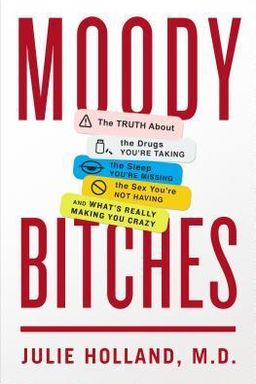
Moody Bitches cover

Moody Bitches

by Julie Holland, MD

Moody Bitches reveals the intricate interplay between hormones and emotions in women, challenging societal norms. It offers empowering insights into embracing emotional fluctuations while promoting mental well-being through mindfulness, self-awareness, and natural practices over pharmaceuticals.

Your Mood Is Information, Not Disease

Why do your moods swing, your tears rise unexpectedly, or your patience vanish overnight? Julie Holland’s core argument across her work is radical in its simplicity: your emotional variability is not a malfunction but a message. In clear scientific prose mixed with humor and clinical experience, she reframes “female moodiness” as a sign of robust biology—a dynamic system designed to track safety, nurture relationships, and respond to change. You are not meant to be flat and steady; you are built to cycle, notice, and adapt.

The evolutionary logic of emotionality

Holland explains that women evolved as emotional sentinels. Their hormonal and neurological design—higher oxytocin responsiveness, greater interhemispheric connectivity, and enlarged empathy-linked brain areas—makes them expert caregivers and social regulators. When you feel easily moved or overwhelmed, that reactivity once kept kin alive. It’s biology’s tool for attunement. Mood variability allows you to scan environments and maintain connection-based safety, a feature not a flaw.

Hormones and the monthly rhythm

Across your cycle, estrogen, progesterone, and serotonin form a dance. Estrogen’s peaks lift serotonin and confidence; its drop triggers sensitivity and introspection. Progesterone brings calm but can tip toward sluggishness. Holland urges you to chart these shifts—to discover patterns in appetite, energy, sexuality, and empathy—because tracking converts apparent chaos into clarity. Your hormones explain much of what psychiatry mislabels mood disorders, especially in the premenstrual phase or perimenopausal transitions.

Medication and the flattening of feeling

Holland does not vilify psychiatric medications; she prescribes them daily. But she asks you to recognize trade-offs. SSRIs, for example, raise serotonin and can save lives during crisis, yet they also soften empathy, dull libido, and mute intimacy. You might stop crying though you also stop feeling deeply. Medicine, she argues, should not abolish sensitivity that guides relationships and creativity. The cultural push to medicate sadness or anxiety often stems from discomfort with emotional women rather than true pathology.

Culture, normalization, and reclaiming agency

Direct-to-consumer drug marketing and a medical system oriented toward quick prescriptions widened the gap between normal human feeling and disease. Drugs like Abilify, initially for schizophrenia, now augment antidepressants for mild distress—turning adaptation into illness. Holland’s pragmatic remedy: act as an informed patient. Pair any medication with sleep hygiene, sunlight, exercise, and social contact; measure whether it enhances or erases your emotional intelligence. Your mood swings are data points, not defects.

Working with your design

Ultimately, Holland’s thesis invites self-partnership. Use your body’s rhythm to plan your life: negotiate or present when estrogen rises, rest or reflect during progesterone’s reign, and treat premenstrual irritability as truthful insight about unmet needs. (Note: this mirrors ideas in Alexandra Pope’s Wild Power about menstrual cycles as creative compass points.) When you stop fighting your cyclical biology, you gain emotional precision. You become fluent in your own chemistry.

Core takeaway

Your moods are evolutionary intelligence speaking through hormones and neurochemistry. Respect them, track them, and act with their wisdom rather than suppressing them into numbness.

This framework sets the tone for Holland’s broader survival guide: your body and mind are an ecosystem—dynamic, responsive, and interconnected. Every chapter following expands this idea, showing how food, sex, sleep, chemicals, stress, and nature interact with your mood circuitry. By respecting your internal rhythm instead of silencing it, you transform emotional volatility into informed vitality.


Cycles, Hormones, and Emotional Intelligence

Your monthly rhythm is the original feedback system for your emotional life. Holland teaches you to understand the estrogen–progesterone–serotonin interplay as your body’s intelligence rather than a burden. Early-cycle estrogen lifts mood and sociability; ovulatory testosterone ignites libido and confidence; late-cycle progesterone paired with falling estrogen fuels introspection and fatigue. Recognizing this pattern offers immense leverage over relationships, work, and self-care.

Charting as self‑discovery

Through daily cycles or apps, you can map mood fluctuations and align them with physiology. Use high‑estrogen days for collaboration or public speaking; use luteal phase irritability to notice boundaries violated. Holland calls premenstrual critique “actionable truth” — the moment your tolerance for imbalance drops and clarity rises. This simple self‑observation converts PMS from stigma into guidance.

Nutrition and movement medicine

You can smooth hormonal turbulence through targeted habits: complex carbohydrates elevate serotonin gently; magnesium and calcium reduce cramps and anxiety; omega‑3s and tryptophan-rich foods aid resilience. Exercise—especially morning sunlight walks or rhythmic cardio—acts as antidepressant, supporting endorphin and endocannabinoid flow. Holland’s counsel is realistic: treat food and movement as tools rivaling drugs.

Contraceptives and mood

Oral contraceptives can flatten fluctuations and relieve PMS but often lower libido and alter mate preference. Studies show women on pills select genetically similar partners, potentially dulling attraction. Holland suggests individual experimentation and cycle withdrawal before major relationship decisions. Recognize hormonal birth control’s emotional cost as part of informed consent.

Your hormonal rhythm is a design to harness, not fear. By making it visible through tracking, nutrition, and timing, you integrate body and emotion into deliberate life planning—a subtle but powerful act of reclaiming self-governance.


Love, Sex, and Neurochemical Design

Love is not magic—it is chemistry shaped by millions of years of reproductive logic. Holland maps the sequence: dopamine sparks infatuation, serotonin stabilizes contentment, oxytocin anchors trust. Understanding this progression helps you interpret the joy and chaos of relationships without shame. You are wired to crave, attach, and sometimes repeat the same mistakes because these circuits prioritize survival, not convenience.

Dopamine’s chase and oxytocin’s glue

During new love, dopamine floods your nucleus accumbens, producing obsession and euphoria. It is identical to stimulant intoxication seen on brain scans from Helen Fisher’s research. When infatuation passes, serotonin and oxytocin rise, cooling impulse and favoring attachment. Holland emphasizes that post‑climax oxytocin and endorphins literally reinforce pair bonding—your body reading closeness as safety.

Medication, libido, and emotional range

SSRIs elevate serotonin but numb desire and empathy, making love feel flat. Conversely, Wellbutrin enhances dopamine and energy, sometimes reviving libido. Oral contraceptives again intervene by suppressing testosterone and warping scent‑based mate preferences. Holland’s symbolic question—“Would you live in his scent?”—encapsulates the biological depth of attraction you risk losing through medication or suppression.

Practical intimacy rituals

Holland’s sex coaching blends science with gentle realism: clitoral focus, deliberate breathing, eye contact, and daily touch rituals restore felt connection. She argues sex is not a performance but a maintenance act for health—an immune, vascular, and emotional tonic. Medication side effects are manageable; open conversation, alternative treatment, and body literacy are tools for reclaiming pleasure.

Seeing love and sex as biological processes does not cheapen them—it grounds them. You can respect chemistry while making conscious choices that preserve authenticity, empathy, and erotic vitality.


Stress, Inflammation, and the Hidden Biology of Mood

Holland identifies inflammation as the invisible bridge between emotional and physical suffering. Chronic stress activates your HPA axis and floods the body with cortisol and cytokines, turning everyday worry into neurochemical wear. This inflammatory signaling reshapes serotonin pathways and damages hippocampal neurons—the very architecture of memory and mood.

How stress breeds disease

Under constant pressure, cortisol’s rhythm collapses. Instead of calming immune responses, it fuels them. You begin to exhibit “sickness behavior”: fatigue, isolation, and emotional blunting. Holland cites trials where anti‑TNF drugs helped depressed patients only if inflammation was high, proving psychological distress is often immunologic. Childhood neglect, caregiving exhaustion, and social isolation each increase cytokine production and shorten telomeres—molecular traces of accelerated aging.

The endocannabinoid and microbiome remedy

Your body counterbalances inflammation through the endocannabinoid system (anandamide, 2‑AG). Exercise, laughter, and sex stimulate it; chronic deprivation depletes it. CBD and certain botanical therapies may assist but are secondary to behavioral restoration. Simultaneously, your gut microbes mediate serotonin and immune tone—fermented foods and fiber act as psychobiotics. Holland’s advice: cultivate microbial diversity as mental hygiene.

Anti‑inflammatory living

Her prescription is concrete: manage stress with mindfulness and nature; eat omega‑3‑rich and colorful plants; move daily; sleep deeply; and nurture relationships. By taming inflammation, you restore emotional depth without drugs. (Note: parallels appear in Gabor Maté’s When the Body Says No.)

The realization that inflammation drives depression reframes mental health from moral weakness to physiological imbalance—one that lifestyle, love, and rest can profoundly heal.


Your Body as Ecosystem

You are an ecological organism living in chemical modernity. Holland explores how bacterial diversity, environmental toxins, and endocrine disruptors shape immunity and mood. Your gut microbiome trains your immune system, prevents overreaction, and influences brain chemistry through inflammatory mediators and serotonin precursors. Damage that ecology—via antibiotics or plastics—and emotional as well as metabolic illness follow.

Microbial allies and adversaries

C‑section births, sterilized childhoods, and antibacterial soaps reduce microbial exposure, increasing allergies and autoimmune disease. Holland highlights probiotic research showing how Lactobacillus and Bifidobacterium strains lower anxiety and depression scores. She recommends simple bio‑hacks: fermented foods, fiber, and outdoor play. Rebuilding microbial diversity recalibrates emotion stability as effectively as pharmaceuticals for some.

The chemical burden

Every day, you ingest hormone mimics. BPA acts like estrogen; phthalates lower testosterone; pesticides increase aromatase. These agents shift puberty timing and fertility while altering mood and metabolism. Holland’s practical tips—avoid microwaving plastic, choose glass, check cosmetics—transform eco-consciousness into direct health protection. You, not regulation, become the gatekeeper.

Seeing yourself as an ecosystem aligns perfectly with her theme: harmony replaces suppression. Support your microbes, minimize toxins, and let nature’s complexity restore hormonal and emotional balance.


Nature, Mindfulness, and the Restoration of Attention

Holland closes her guide by returning you to the most fundamental therapies—sunlight, silence, and breath. Modern overstimulation erodes attention and inflames the body; deliberate downtime heals it. She draws on neuroscience showing that green spaces and mindful breathing rejuvenate the prefrontal cortex, lower cortisol, and re‑establish emotional regulation.

Nature as medicine

Viewing trees or water accelerates recovery and lifts mood. Light therapy for Seasonal Affective Disorder, negative ions near waterfalls, and even weekly walks serve as biological resets. Holland describes “prescription trails” where doctors literally prescribe outdoor time—the simplest antidepressant available. Twenty minutes of natural light thrice weekly sustains vitamin D and circadian balance.

Mindfulness and ritual

Eight weeks of mindfulness training increases hippocampal density and reduces amygdala size. She teaches breathing techniques—the 4‑7‑8 pattern, exaggerated exhales, bellows breathing—to deactivate stress within minutes. Rituals like a digital Sabbath or sunset tea mark transitions from productivity to restoration. (Note: her approach echoes Jon Kabat‑Zinn’s research on mindfulness-based stress reduction.)

Embodied living

This return to presence completes Holland’s biological circle: by honoring natural rhythms, your body recalibrates without external chemicals. Screens and artificial culture diminish sensual contact—she counters it with sunlight, breath, and tactile reality. In doing so, you rediscover that health comes from responsiveness, not repression.

Nature and mindfulness, paired with emotional literacy, become your daily medicine. They make the nervous system resilient and restore the humane balance Holland wants modern psychiatry to remember.

Dig Deeper

Get personalized prompts to apply these lessons to your life and deepen your understanding.

Go Deeper

Get the Full Experience

Download Insight Books for AI-powered reflections, quizzes, and more.