
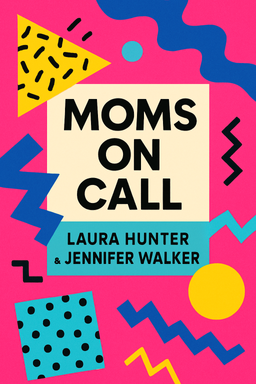
Moms on Call cover

Moms on Call

by Laura Hunter & Jennifer Walker

Moms on Call offers essential guidance for new parents, providing expert strategies on sleep, feeding, health, and safety. With tried-and-true advice from experienced nurses, navigate early parenthood confidently, creating a safe and nurturing environment for your baby.

Confident Parenting from Chaos to Calm

Have you ever wished that your baby came with a manual? In Moms on Call Basic Baby Care: 0–6 Months, pediatric nurses Laura Hunter and Jennifer Walker answer that wish with a practical, common-sense guide that empowers parents to care for their newborns with confidence. Drawing from more than 20 years of pediatric experience and thousands of after-hours calls from anxious parents, the authors contend that successful parenting starts not with perfect instincts, but with reliable guidance, structure, and grace. Their promise is simple: you can restore order and rest to your home—without guilt or guesswork.

The heart of Hunter and Walker’s approach is a mix of science, structure, and empathy. They combine clinical expertise with lived experience as mothers to show that raising a baby need not feel overwhelming. From feeding to sleep schedules, from dealing with illness to balancing emotions, the book offers a roadmap for the first six months of life. It’s not about being the perfect parent; it’s about being an equipped one.

Why This Book Matters

New parenthood can be the most joyous—and the most terrifying—season of life. As Hunter and Walker learned during years of answering late-night pager calls for a busy pediatric practice, new moms and dads often worry about the same things: “Is my baby crying too much? Is this spit-up normal? Why won’t they sleep?” The answers, they realized, were often less medical and more procedural. Parents weren’t short on love; they simply lacked a system. That realization birthed Moms on Call, first as in-home consultations and now as a global brand with courses, schedules, and resources.

The authors argue that structure brings calm. Babies thrive on predictable rhythms—eating, sleeping, playing, and interacting in consistent patterns. Moms on Call provides achievable schedules, evidence-informed advice, and the affirmation that crying, frustration, and imperfection are all part of raising healthy, happy babies. Their motto, printed on every book and swaddling blanket, sums it up: Feed. Sleep. Laugh. Love.

Core Philosophy: Equip, Don’t Intimidate

Hunter and Walker reject what they call “information overload culture.” Instead of drowning parents in contradictory advice, they offer digestible, proven steps. Each section of the book functions as both a teaching guide and quick reference manual—organized by themes such as The Basics, Common Illnesses, Feeding, Sleep, and Safety. These sections reflect the authors’ conviction that good parenting blends common sense with medical literacy. They encourage parents to work alongside their pediatricians, not replace them.

Throughout, the tone is empathetic and conversational, as though a reassuring nurse were sitting at your kitchen table, coffee in hand, helping you troubleshoot your baby’s sleep or gas issues. Biblical quotations open each major section, adding a spiritual dimension that grounds the authors’ desire to remind caregivers that parenthood itself is a divine calling.

What You'll Learn

Over the course of the book, readers gain a full toolkit for baby care between birth and six months. Hunter and Walker cover everything from practical day-to-day tasks—like bathing a slippery newborn or trimming tiny nails—to deeper topics such as understanding sleep cues and establishing sustainable feeding routines. Behind every lesson is the conviction that confident babies come from confident parents. You’ll discover how to:

  • Build daily structure that balances predictability with flexibility.
  • Decode your baby’s cries, feeding cues, and developmental quirks.
  • Differentiate normal variation (like bowel movement frequency or mild rashes) from signs that require medical attention.
  • Foster sleep habits that work with your baby’s biology rather than against it.
  • Navigate common illnesses safely with calm and preparedness.

The book also addresses often-overlooked emotional realities: the frustration of inconsolable crying, the exhaustion of middle-of-the-night feedings, and the self-doubt that many new parents carry. Hunter and Walker normalize these feelings, reminding parents that grace—for yourself and your child—is just as essential as the right diaper ointment.

A Faith-Infused Framework

While firmly anchored in medical knowledge, the book’s ethos is also spiritual. The authors speak openly about the role of faith and divine purpose in parenting. They see every baby as entrusted by God to specific parents, equipped to love them uniquely. Verses from Proverbs and Psalms serve as chapter epigraphs—gentle reminders that wisdom and peace often grow side by side with late-night chaos.

In contrast to hyper-scientific guides that measure success in ounces or hours of sleep, Moms on Call defines success as joy—the deep, sustaining kind born from understanding your child and yourself. The result is a comprehensive guide that blends the rigor of a clinic handbook with the warmth of a friend’s counsel. Whether you’re a mother of twins juggling cries in stereo or a first-time parent terrified of the thermometer, this book promises one thing: you can do this, and you don’t have to do it alone.

In the pages that follow, we’ll unpack the practical systems that make this philosophy work in real life: the foundation of daily care, approaches to illness, feeding and nutrition, sleep training without guilt, and safety measures that ensure peace of mind. Together, they form a step-by-step framework for the most transformative—and tender—season of parenthood.


Building a Confident Foundation

The first section—The Basics—lays the groundwork for everything that follows. Hunter and Walker believe that much of new-parent anxiety arises from avoidable uncertainty. Their antidote: begin with preparation, order, and small systems that make chaos manageable.

Practical Routines for Physical Care

Parents are guided through hands-on essentials like bathing, nail clipping, skin care, and bowel movement monitoring. Step-by-step routines turn intimidating tasks into second nature—like using a C-hold during bathing or recognizing the difference between normal straining and constipation. Each activity becomes an opportunity to build confidence, not perfection. “If one twin cries while you bathe the other,” they assure readers, “that’s normal.”

Even mundane tasks become lessons in calm presence. For example, babies are encouraged to bathe nightly as part of a sleep association, linking warmth with relaxation and routine. Similarly, guidance on skin conditions (like baby acne or cradle cap) helps parents distinguish harmless irritations from medical concerns. By reducing uncertainty, the book frees you from the tyranny of second-guessing every bump or rash.

Emotional Foundations

Equally important, Moms on Call reminds new parents that frustration, tears, and doubt are part of the learning curve. Crying spells—especially the notorious evening fussy hours—are reframed as normal development, not indicators of failure. Babies cry to release pent-up energy before sleep, a point that echoes Dr. Harvey Karp’s “fourth trimester” reasoning from The Happiest Baby on the Block. The authors encourage parents to breathe, regroup, and remember that a crying baby in loving arms is not suffering—it’s communicating.

Grace in the Grind

Perhaps the most reassuring part of this foundation is the recognition that parenting is as much spiritual formation as skill acquisition. “You were chosen for this child,” they write, “and that means you are already qualified.” By combining clinical facts with maternal empathy, this first section gives parents both the tools and the heart posture to move forward with calm assurance.


Navigating Illness with Calm and Clarity

Few moments unsettle a parent like a baby’s first fever or cough. In Section Two: Common Illnesses, Hunter and Walker function like nurses on-call in your living room, translating medical complexity into plain language. They emphasize recognizing key symptoms, taking accurate rectal temperatures, and knowing exactly when to call for help.

From Fevers to Falls—What’s Truly Urgent

The authors offer calm directives: fevers under three months of age always warrant a pediatric call; after that, treat the baby, not the thermometer. They normalize common events—eye drainage, diarrhea, even mild falls—while outlining clear red-flag signs (like prolonged vomiting or difficulty breathing). This structure mirrors a triage nurse’s workflow, empowering parents to respond with logic rather than panic.

Supporting Recovery

Instead of prescribing quick fixes, they promote patience and comfort care: saline drops for congestion, cool mist humidifiers for coughs, and rest for recovery. Even painful experiences like ear infections or immunization reactions are demystified with step-by-step reassurance. In a culture of internet-induced worry, this chapter is grounding—a reminder that most infant illnesses are self-limited.

Trusting Intuition Without Fear

Importantly, Hunter and Walker validate parental intuition. If something doesn’t feel right, that alone is reason to call the doctor. “Peace of mind,” they note, “is part of treatment.” In moments of crisis, that validation transforms anxious guesswork into empowered caregiving—a perspective every exhausted parent needs.


Feeding with Confidence and Flexibility

Feeding, in Hunter and Walker’s view, is both nourishment and relationship. Whether breastfeeding, bottle-feeding, or combining both, this section removes shame and installs structure. They offer precise, age-based guidelines—how long a feeding should last, how many ounces are typical, and how to recognize when your baby is satisfied.

Respecting Every Feeding Journey

For nursing mothers, troubleshooting tips (correct latching, switching breasts, dealing with soreness) are explained with clinical and emotional nuance. For bottle feeders, practicalities like nipple shapes and sterilization routines are covered with equal respect. The authors avoid the moralizing tone that often pervades parenting books—echoing the inclusive philosophy of Dr. Spock’s classic: “Trust yourself, you know more than you think you do.”

Rhythms, Not Rigid Rules

Instead of demanding strict feeding intervals, Moms on Call teaches “flexible structure”—regular times balanced with sensitivity to your baby’s cues. By introducing consistency early, parents foster both better digestion and more predictable sleep. The feeding schedules that fill later chapters are not dogmatic checklists, but scaffolds parents can adapt.

Introducing Solids and Weaning

By 4–6 months, babies meet new tastes and textures. The authors encourage playful exploration, not anxiety. Feeding at this stage is practice, not performance—“100% of nutrition still comes from milk,” they remind us. The weaning guidance honors emotional complexity: moms are given permission to grieve the transition while celebrating independence. Through it all, love and laughter remain the main ingredients.


The Art and Science of Baby Sleep

If Moms on Call has a signature success story, it’s sleep. The system argues that healthy sleep is neither luck nor luxury—it’s a learnable rhythm that benefits everyone in the household. Drawing from pediatric sleep science, the authors present a practical method that has helped thousands of families enjoy full nights of rest by 12 weeks of age.

Core Principles: Routine, Association, and Environment

Sleep teaching starts with ritual. Nighttime always begins with a bath, soft lighting, “tender time,” and a full feeding—then lights out, white noise on, and a safely swaddled baby. By repeating these cues nightly, babies learn that darkness plus white noise equals sleep. The swaddle, demonstrated in detail, becomes the bridge between womb comfort and crib calm. Once the baby consistently breaks free or reaches 12 weeks, the swaddle is phased out during nighttime first, then naps.

Structured Comfort, Not Neglect

Critics often equate sleep training with ignoring a baby’s needs. Hunter and Walker reframe it as structured comfort—brief intervals of soothing that allow babies to develop self-soothing skills. They outline gentle timeframes for when to check, pat, or feed, balanced with clear reassurance: “They are not abandoned; they are loved and learning.” This compassionate firmness mirrors modern “responsive sleep training” methods endorsed by pediatric associations.

Consistency Over Perfection

When disruptions happen—vacations, sickness—the authors urge quick return to routine rather than guilt. Babies are creatures of habit; predictability breeds peace. As many parent testimonials affirm, after just a few consistent nights, babies begin sleeping longer stretches naturally. The miracle isn’t mystical—it’s methodical.


Order in the Chaos: Daily Routines That Work

The “Typical Days” section translates theory into practice. For every developmental stage—from 2 weeks to 6 months—detailed schedules outline feeding, napping, and play blocks. Far from robotic timetables, these plans represent the average rhythms of thriving infants, giving structure to the unpredictable fog of newborn months.

Predictability Builds Freedom

Following these patterns helps parents anticipate needs rather than react to chaos. For example, the recurring 9 a.m. “anchor feeding” creates an internal clock for baby and sanity for parents. Even “crazy day” adaptations—backup plans for when nothing goes as scheduled—demonstrate the authors’ realism. You’re not expected to control the day, just keep its backbone intact: no nap over two hours, and supper three hours before bedtime.

Adapting to Growth

Schedules evolve as milk volume increases and wake windows lengthen. The 8–16 week plan introduces more awake play; by 4–6 months, baby foods appear alongside bottles and naps consolidate into two longer stretches. Each progression is incremental, guiding parents through developmental leaps without overwhelm.

Relief Through Rhythm

The unspoken gift of this chapter is emotional relief. Routine doesn’t enslave families—it liberates them. As many reviewers attest, structured babies are calmer, feed better, and allow families to actually enjoy life. Predictability, far from robotic, creates the space for spontaneous joy.


Safety, Sanity, and Sustaining Love

The final sections—on safety, childproofing, and “Quick-Grab First Aid Kits”—serve as both checklist and philosophy. Safety, the authors stress, is preparation rather than paranoia. They advocate proactive learning (especially infant CPR), secure environments, and faith-driven calm in emergencies.

Prepared, Not Fearful

From outlet covers to car seat installation, nothing is left to guesswork. Readers are reminded that accidents happen even in vigilant homes—but preparation turns panic into action. Practical tips like keeping Poison Control numbers visible, or always checking bathwater temperature, appear throughout as habits of mindfulness, not anxiety.

Faith and Resilience

The closing chapters return to the emotional and spiritual heart of the book. Sleep, Feed, Laugh, Love isn’t merely a slogan—it’s a lifestyle balance. Rested parents can laugh more; laughter reminds them why all the structure matters. Hunter and Walker close by reminding readers that love often looks like showing up, setting boundaries, and believing your baby—and you—can grow together.

Grace as the Last Word

Their parting message stands apart from most baby manuals: “You don’t have to do this perfectly. You just have to do it with love.” After hundreds of pages of schedules, tips, and troubleshooting, that final truth may be the most transformative of all.

Dig Deeper

Get personalized prompts to apply these lessons to your life and deepen your understanding.

Go Deeper

Get the Full Experience

Download Insight Books for AI-powered reflections, quizzes, and more.