
Idea 1
Making Jesus: Story, Power, Meaning
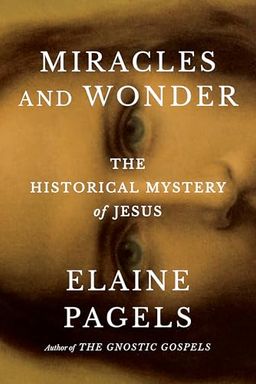
How do stories make a movement—and what happens when rival stories collide? In this book, the author argues that the gospels, letters, and early Christian treatises are not neutral histories but crafted narratives that answer accusations, define identity, and compete for power. The point is not to debunk faith but to show how birth tales, miracle scenes, kingdom teachings, crucifixion accounts, and resurrection reports were composed under pressure—political, social, and theological—to say who Jesus is and who gets to speak for him.
You watch this unfold across the full spectrum of sources: the canonical gospels (Mark, Matthew, Luke, John), Paul’s letters (the earliest surviving Christian texts), Nag Hammadi writings (Thomas, Philip, Gospel of Truth, Apocryphon of John), and patristic polemics (Irenaeus, Adversus Haereses). You also see how imperial politics (Constantine, Nicaea) and later culture (art, film, anthropology) keep reimagining Jesus for new crises and hopes. The result is a reception history: an evolving conversation about Jesus shaped by rumor, scripture, power, and lived experience.
Birth, Rumor, and Legitimacy
The book opens by showing how Matthew and Luke craft nativity stories to counter disgrace and rumor. Mark, the earliest gospel, hints at local scorn—"son of Mary" (Mark 6:3)—while hostile sources later accuse Mary of liaison with a Roman soldier (Panthera/Pandira). Matthew responds with a Davidic genealogy (including scandal-marked women: Tamar, Rahab, Ruth, Bathsheba), dreams, magi, and Herod’s massacre; Luke centers Mary’s Magnificat and the poor in a Bethlehem stable. Both elevate status and sanctify scandal through Israel’s scriptures (Isaiah 7:14; almah vs. parthenos) and Exodus echoes (flight to Egypt).
Miracles, Identity, and the Kingdom
Miracle stories do identity work. In Mark, exorcisms and healings function as signs that force the question: Who is this? The “Legion” exorcism reads like a political parable against Roman occupation; the “Messianic Secret” keeps explosive claims under wraps to avoid premature confrontation. Meanwhile, “kingdom of God” language splinters into competing timelines: imminent apocalypse (Mark; Schweitzer), intensified ethics with delayed fulfillment (Matthew), present realization (Luke), interior awakening (Thomas), and a pivot to Christological belief (John).
The Cross and Its Accusations
The trial and crucifixion scenes reveal rhetorical triage under imperial surveillance. To protect fledgling communities, gospel narrators often soften Pilate and heighten Jewish agency (Matthew’s crowd cry; Luke’s thrice-affirmed innocence; John’s sovereign Jesus). Historically, Pilate was brutal and crucifixion was Rome’s punishment for treason, but the texts reassign blame to avoid Roman ire—unleashing later anti-Jewish harm, especially after Constantine when liturgy and law amplified these portrayals.
Resurrection: Visionary and Bodily
At Christianity’s center stand resurrection claims, but they come in two registers. Visionary encounters (Mary as gardener; Emmaus walkers; Paul’s Damascus road) confer authority and personal transformation; bodily appearances (wounds, touch, shared meals in Luke and John) answer charges of ghostly delusion or stolen bodies. Mark’s earliest ending leaves the scene open and unsettling; later traditions pile on encounters to stabilize faith. Paul reframes everything through ritual participation: baptism into Christ’s death and life; eucharist as proclamation until he comes.
Competing Christianities
The book traces a Pauline-to-Valentinian line that reads resurrection as spiritual awakening, not fleshly reanimation (Letter on Resurrection, Nag Hammadi). Irenaeus answers with a muscular theology of embodied salvation: the eucharist prepares corruptible flesh for incorruption; the same body God made, God redeems. This fight—mystical knowledge versus sacramental embodiment—shapes who counts as orthodox, whose books are canonical, and how churches worship.
Canon, Creed, and Empire
Orthodoxy hardens through institutions. Irenaeus champions a fourfold gospel; Constantine convenes Nicaea, urges scriptural standardization, and fast-tracks a creed that codifies Jesus’s full divinity. John’s high christology moves center stage; Thomas’s inward mysticism is sidelined. Canon formation emerges as a mix of theology and statecraft—unity of belief serving unity of empire (MacMullen’s portraits of raucous councils underline the politics).
Gender, Art, and Global Receptions
Mary Magdalene—first witness in multiple gospels—becomes a test case for women’s authority. While the Gospel of Mary elevates her visionary leadership against Peter’s challenge, later Western preaching (Pope Gregory I) mislabels her a prostitute. In modernity, painters and filmmakers recast Jesus for crises of their own: Chagall’s Jewish Christ under Nazism, Petts’s Black Christ in a bombed church, Scorsese’s interior struggle, and Vineyard congregations learning to befriend Jesus through guided prayer (Luhrmann). These are not side notes; they show how the story remains alive where people most need it.
Key Claim
“Matthew and Luke were not writing primarily to report history… they were writing… to spread their faith in Jesus—the ‘good news’.” The same is true of their rivals and their heirs: narrative is how communities survived, persuaded, and sometimes harmed.
As you read, the book invites a double vision: honor the transformative force of these stories and scrutinize the strategies they use. Ask what each text defends, who it empowers, and what costs follow when defense hardens into doctrine. The aim is clarity, not cynicism—so you can meet Jesus through stories that are both humanly made and, for millions, divinely meaningful.