
Idea 1
The Invisible Forces That Shape What and How Much You Eat
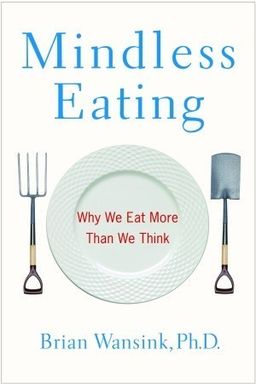
When was the last time you ate something you didn’t really want—just because it was there? In Mindless Eating, Brian Wansink, a Cornell University food psychologist and founder of the Food and Brand Lab, argues that most of us eat far more than we realize—not because we’re hungry or lack willpower, but because our environments quietly nudge us into eating mindlessly. Plates, packages, lighting, labels, and even the presence of friends subtly determine not just what we eat but also how much.
Wansink’s core argument is revolutionary in its simplicity: you can eat less and eat better without feeling deprived, simply by understanding and adjusting the cues around you. Rather than relying on willpower—which inevitably fails—he shows that small environmental and psychological tweaks can steer your behavior toward healthier, more mindful eating. This guiding principle—called the mindless margin—is the narrow zone where you can eat slightly less without noticing. It’s where lasting, painless weight control happens.
The Science of Mindless Eating
Using hundreds of experiments—from people eating stale popcorn because of bucket size to diners luxuriating in their meals thanks to a fake “California” wine—Wansink reveals how food psychology works in everyday life. His studies take place everywhere from movie theaters and restaurants to military bases and family tables. The pattern is clear: people consistently underestimate how much they eat and overestimate their control. We make more than 200 food decisions daily—What, when, how much, where—and most happen without awareness.
But this hidden autopilot isn’t all bad news. If the environment can trick you into overeating, it can also trick you into eating less—or healthier—without feeling deprived. Wansink believes that the best diet is the one you don’t know you’re on. By quietly hacking your environment, you can regain control of your eating habits without counting calories or battling cravings.
How Environment Eats Willpower for Breakfast
Wansink dismantles the comforting myth that weight gain is mainly about laziness or lack of discipline. Instead, it’s our surroundings—plate size, portion packaging, placement of snacks—that predict intake. In one now-famous experiment, moviegoers given large buckets of five-day-old popcorn ate 53% more than those with medium buckets, despite the popcorn tasting awful. When asked, almost none believed the bucket size influenced them. As Wansink notes, we mindlessly eat, deny being influenced, and keep repeating the pattern.
Our brains rely on external cues to tell us when to stop: the bottom of a bowl, the size of a package, the actions of others. But our stomachs can’t count calories—that’s why we keep eating even when full. This explains why overeating doesn’t feel like gluttony—it feels like normal eating until your clothes get tight months later.
Eating Smarter by Design, Not Deprivation
Instead of fighting biology, Mindless Eating invites you to work with it. Wansink offers practical “reengineering” strategies that make good choices automatic: use smaller plates, keep tempting foods out of sight, pre-portion snacks, and serve healthy foods first. In restaurants, share entrées or skip bread; at home, serve food from the kitchen instead of leaving serving bowls on the table. These tactics leverage design over discipline.
He structures these lessons around what he calls an “eat better without knowing it” philosophy. Each chapter exposes hidden persuaders—from the illusion of low-fat labels to emotional comfort food connections—then flips them into opportunities for healthy change. As he puts it, if you can mindlessly gain weight, you can also mindlessly lose it.
Why It Matters
Obesity and diet-related disease aren’t simply failures of motivation; they’re symptoms of a culture engineered for overeating. By focusing on subtle environmental forces—what Wansink calls the “hidden persuaders”—the book bridges psychology, marketing, and nutrition into a unified framework for behavior change. It offers hope without guilt or moralizing.
Ultimately, Mindless Eating is about awareness and design: becoming conscious of how cues guide your habits and learning to adjust them in your favor. It’s not about dieting harder—it’s about thinking smarter. Whether you want to lose ten pounds, help your family eat better, or design healthier cafeterias, Wansink shows that change begins not on the plate, but in the mind and the environment around it.