
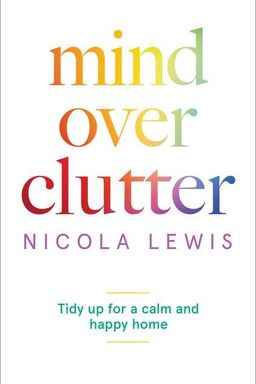
Mind Over Clutter cover

Mind Over Clutter

by Nicola Lewis

Mind Over Clutter by Nicola Lewis provides actionable steps to declutter your home and mind. Discover eco-friendly cleaning methods and learn how a tidy environment can significantly boost your mental health and overall well-being.

Mind Over Clutter: Decluttering for Joy and Balance

How often do you look around your home and feel a subtle anxiety—a quiet unease that comes from seeing the piles that have grown over time? In Mind Over Clutter, professional organiser and lifestyle coach Nicola Lewis shows that decluttering is far more than a clean-up process; it’s an act of self-care, emotional healing, and reclaiming control over your life. Lewis contends that learning to organise your environment can directly shape your mental and emotional wellbeing. When you transform your physical space, you declutter your mind—and that, she argues, is a pathway to joy, confidence, and inner peace.

Lewis’s central claim is simple but profound: your surroundings mirror your internal state. In the same way that clutter accumulates when life becomes hectic or uncertain, order and spaciousness reflect serenity and purpose. Through practical guidance, infectious enthusiasm, and deeply personal storytelling, she blends psychology and practical design to show how organising helps alleviate stress, guilt, and overwhelm. Decluttering becomes not just tidying—it becomes transformative habit-building, self-discovery, and gratitude in motion.

A Journey from Chaos to Clarity

Nicola’s story fuels the heart of the book. She shares her own journey from high-pressure finance jobs in London to building her own business, This Girl Can Organise, after a career burnout and redundancy. In the blur between motherhood and corporate ambition, she lost her sense of identity. Her turning point came when she realised her lists, scheduling, and home organisation rituals were more than coping strategies—they were her calling. Decluttering gave her freedom: from the guilt of comparison to the liberation of choosing happiness over prestige.

That story anchors the reader in a relatable truth: most clutter isn’t physical. It’s emotional and mental baggage—a reflection of fear, indecision, or attachment to the past. Lewis’s compassionate tone reassures you that everyone has chaotic corners, and that tidying is not a test of perfection but a practice of balance. She encourages people to start small, celebrate mini progress, and use humour and music to turn tidying into something joyful rather than punitive. (‘Lip-syncing while folding laundry counts as self-care,’ she jokes.)

The Philosophy of a Tidy Mind

Lewis’s concept of “Tidy Home, Tidy Mind” builds on research connecting environment and mental health (echoing studies noted in The Happiness Project by Gretchen Rubin and The Life-Changing Magic of Tidying Up by Marie Kondo). A messy space creates mental noise that heightens anxiety and drains energy. Decluttering, therefore, becomes a mindful process—an intentional clearing that restores focus and calm. She explains that each cleared space is a victory over procrastination and a reinforcement of self-worth. When your home supports your routines rather than burdening them, your mind is freer to thrive.

This framework also ties into self-compassion: be kind to yourself during the process. Rather than striving for minimalist perfection, Lewis urges gentleness. Whether it’s a “wobbly day” when motivation dips or guilt arises as you donate sentimental items, remind yourself that imperfection is normal. You are building emotional architecture, not just rearranging furniture.

Practical Positivity in Action

Across the book, Lewis combines practical systems and emotional encouragement. Chapter by chapter, she teaches readers to declutter by room, clean sustainably, reuse creatively, and live in harmony with eco-conscious habits. But always, the underlying message remains: decluttering is about feeling lighter. You’ll learn her four-step process—Remove, Sort & Purge, Clean, and Organise—as a rhythm that can be applied anywhere from the bedroom to the inbox. She turns these actions into mindfulness exercises: touch, see, breathe, decide, and release.

The book further explores the connections between sustainability and mental health. Clutter, Lewis observes, feeds consumer waste. Living with intention can enrich both your inner peace and the planet’s wellbeing. Eco-cleaning recipes using vinegar, lemon, and baking soda replace chemicals, and upcycling old containers turns waste into purposeful beauty. It’s decluttering with conscience.

Empowerment and Gratitude

Ultimately, Lewis’s guiding principle is empowerment. You can build a life defined by gratitude, organisation, and kindness—toward yourself, your family, and your space. Her “10 ways to be happy and feel good” revolves around doing what you love, believing in yourself, helping others, and practicing gratitude daily. This isn’t about perfect shelves; it’s about creating emotional space for joy. Decluttering becomes a ritual through which you reclaim control, rediscover meaning, and make room for laughter and love.

At its heart, Mind Over Clutter is both instructional and inspirational—a hybrid between self-help and homemaking. Lewis’s story resonates because she’s not preaching; she’s walking beside you, encouraging you to find peace through order, breathe deeper, and smile at your own progress. In the act of clearing a shelf, you might just clear a little space in your heart too.


Clutter and the Mind

Nicola Lewis starts by redefining clutter. It isn’t simply stuff lying around—it’s energy congestion. Every pile of papers, overflowing cupboard, and messy drawer holds emotional residue: decisions postponed, guilt unaddressed, and memories that block renewal. She draws on psychological research showing that clutter increases stress hormones like cortisol, triggering anxiety, fatigue, and irritability. A cluttered space mirrors a cluttered mind.

Decluttering as Therapy

Through stories like Elizabeth’s—a woman paralysed by depression until she began cleaning her home one small step at a time—Lewis illustrates that tidying can become therapeutic. When Elizabeth started with a single drawer and played her favourite podcasts while cleaning, her mood lifted. The physical act of sorting became a tangible metaphor for reclaiming control. Each item found a home, and each corner cleared became proof of her ability to take action again.

The Science Behind Order

Studies cited in the book confirm the connection: women in disorganised homes show higher stress levels, while those in tidy environments report greater calm. Decluttering gives clarity, much like meditation does in mindfulness practice (a principle echoed by Marie Kondo and Gretchen Rubin). The difference is that Lewis keeps the process compassionate, not judgmental—her method never demands minimalist perfection but seeks comfort and balance. She reminds you that even cleaning one drawer can trigger the pleasure of accomplishment.

Emotional Detachment and Growth

Lewis recognises that letting go of possessions can also mean confronting regret or identity. She encourages shifting focus from ‘best’ to ‘now.’ Stop saving special items for imaginary occasions—use them today. Wearing the “best shoes” on an ordinary Tuesday can itself be a declaration of joy. In learning to detach from things you no longer use, you practice emotional release—a pattern that extends beyond your wardrobe into your decision-making and relationships.

TGCO Wisdom

“Start small, celebrate wins, and play music while you declutter. You’re not cleaning—you’re healing.”

By the end of this section, Lewis makes clear that clutter isn’t a shameful secret—it’s a shared human experience. The key is compassion, consistency, and a willingness to turn tidying into therapy.


The Four-Step Decluttering Plan

Lewis’s system—her TGCO Decluttering Plan—breaks down the overwhelming process into four essential steps: Remove, Sort & Purge, Clean, and Organise. Rather than approaching tidying as battle, she reframes it as choreography.

Step 1: Remove

You start by pulling everything out. This visual shock has purpose—it’s how you confront the sheer volume of what you own. Lewis calls it “seeing your reality.” Working room by room allows honest evaluation and stops procrastination. She suggests playing upbeat music while doing it; laughter helps defuse anxiety.

Step 2: Sort & Purge

Now it’s time to divide items into four piles: Keep, Donate, Bin, and Sell. Each category connects decluttering to action and choice. This is where emotional intelligence comes in—learning to identify which things serve you and which weigh you down. “Keep what makes you smile,” she says, “discard what doesn’t.”

Step 3: Clean

Cleaning isn’t just removing dust—it’s purifying energy. Lewis insists on attacking hidden areas such as drawers, high shelves, and behind furniture. She turns this into mindfulness practice: focus on the tactile act of wiping and breathing steadily, like meditation in motion.

Step 4: Organise

Once you’ve chosen what remains, the last step is design. Organising is creative. Dividers, boxes, hangers, and labelled containers transform a random pile into a mental map. Lewis encourages experimenting—colour-coordinating clothes, lining drawers with scented paper, or adding candles for calm. As she says, “A room that smiles at you helps you smile back.”

Together, these four steps make decluttering not an event but a lifestyle. Lewis’s rhythm echoes productivity models—what David Allen calls “Getting Things Done”—but with heart and humour. It’s practical serenity, achievable for everyone.


Room-by-Room Transformation

Lewis’s advice works because it’s grounded in detail. She takes you around the house one space at a time, teaching how to diagnose each room’s function and soul. Every area has emotional meaning, and clearing it serves both body and mind.

Bedroom: Sanctuary of Calm

Your bedroom should be restful, not chaotic. Lewis recommends treating it as a self-care zone: make the bed each morning as your first victory, change sheets weekly, and create fragrance rituals with lavender linen spray. Under-bed storage can conceal clutter, while dividers help maintain tidy drawers. She teaches rolling clothes rather than piling them—a miniature act of mindfulness.

Kids’ Rooms: Teaching Life Skills

Children’s spaces should nurture creativity, not stress. Lewis turns tidying into play: labelling boxes, colour-coding toy bins, and introducing “zones.” Involving kids teaches respect for belongings and independence. She even offers games—making a puzzle bag or a memory box—to make organisation fun. The result isn’t just cleanliness; it’s confidence.

Bathrooms and Kitchens: Useful Beauty

Lewis identifies bathrooms and kitchens as emotional barometers of the home. Their clutter comes from forgotten samples, expired products, and too many mugs. Her solution combines decluttering with design: clear acrylic containers, labelled bins, and eco-cleaners. She reminds you that surfaces should breathe—countertops without chaos invite calm cooking and self-care.

Living Spaces: Making Memories Visible

In shared areas, clutter often represents family history. Books, magazines, and random souvenirs fill every corner. Lewis’s “one-in, one-out” rule keeps collections dynamic: for every new book, donate another. She encourages transforming chaos into curated warmth—candles, cushions, and flowers that inspire relaxation. Decluttering isn’t sterile; it’s storytelling with space.

Her approach turns the home into what designer William Morris described as “having nothing you don’t believe to be beautiful or useful.” Room by room, you build calm through conscious control.


Eco-Cleaning and Sustainable Living

Lewis’s sustainability philosophy blends ecological mindfulness with household health. She believes eco-cleaning is part of emotional decluttering—because the toxins we use impact not only the environment but our mindset. A clean house should nourish, not contaminate.

Natural Ingredients, Natural Calm

Her favourite trio—lemons, vinegar, and bicarbonate of soda—forms the foundation of safe and effective cleaning. She shares grandmother-inspired remedies for scrubbing copper, deodorising sinks, and shining windows with crumpled newspaper. Their simplicity creates connection and nostalgia—a sensory joy missing in chemical cleaning. Removing VOCs (volatile organic compounds), she explains, reduces breathing irritation and improves wellbeing.

Essential Oils and Aroma Therapy

Lewis integrates essential oils like lavender, lemon, and peppermint into homemade sprays. They sanitize while lifting mood—an invisible layer of self-care. She offers recipes for multi-purpose cleaners, mirror sprays, and fabric refreshers, transforming chores into calm rituals. This echoes holistic approaches advocated by wellness writers such as Dominique Loreau (The Art of Simplicity).

Cleaning as Mindful Practice

“Clean slow,” Lewis advises. She devotes sections to pet-safe methods, child-friendly floor cleaners, and DIY troubleshooting for stains. Cleaning becomes symbolic: by purifying surfaces, you restore equilibrium. Eco-cleaning also embodies gratitude—you show care for your home and the planet simultaneously.

Her ethos: less plastic, more purpose. Every reused bottle and homemade solution is a stand against waste. You’re not just decluttering—you’re healing your environment and, indirectly, your own spirit.


Upcycling and Donation: Kindness in Action

Decluttering doesn’t end with discarding—it continues through giving. Nicola Lewis champions donating and upcycling as acts of kindness and environmental responsibility. Her motto: “Don’t bin it—begin again.” When you repurpose or donate, the process transforms guilt into generosity.

Creative Upcycling

She provides ingenious ideas: repurposing cardboard boxes into linen baskets, turning glass candle jars into makeup holders, and folding plastic bags into tidy triangles (“plastic-bag samosas”). Tin cans become herb planters, and old wellies become colourful garden pots. These simple crafts merge organisation with sustainability—proof that decluttering and creativity coexist beautifully.

The Spirit of Donation

Lewis’s guide to donating reads like an empathy manual. She lists charities for clothes, books, computers, toys, and toiletries—from local women’s refuges to international groups like Vision Aid Overseas. Donating transforms clutter into compassion: each box or bag leaves your home lighter and someone else’s life fuller. She recounts how giving underwear through African charities empowers women and restores dignity—“pants to poverty,” as she says with warmth.

Ethical Decluttering

Giving also shifts your mindset from consumer excess to ethical living. Upcycling becomes symbolic of respect—toward the planet and the stories behind things. In decluttering with awareness, you exchange wastefulness for meaningful use. Lewis aligns this with conscious living movements like Bea Johnson’s Zero Waste Home and emphasizes that generosity doesn’t require grandeur—just intention.

Avoiding landfill is both environmental and emotional cleansing. After all, as Lewis says: “Kindness is free, and it makes the world smile.”


Decluttering to Travel Light

Lewis closes the practical chapters with “Decluttering to Go,” extending her philosophy to travel. Holidays, she explains, often reflect life: we pack more than we need, clutter our itineraries, and overload our minds. But careful preparation can make travelling serene instead of stressful.

Lists and Pre-Planning

She encourages building customised packing lists months ahead. Clothing, accessories, essentials, and entertainment all get separate headings. By visualising trips in advance, you reduce decision fatigue and panic. Her “golden rule”: make lists that make sense to you—no generic formulas. The authenticity of planning mirrors the authenticity of living clutter-free.

Smart Packing

Nicola’s hacks are practical and joyful: use colourful suitcases for easy ID, adopt packing cubes to maintain order in transit, roll clothes to save space and minimise wrinkles, and tuck a scented handkerchief inside to keep luggage fresh. Travelling with kids? She provides rescue plans—create one essentials bag for everyone and always pack snacks (her humorous note: “Give your child as many Percy Pigs as needed to preserve passenger peace.”)

Decluttering Mindsets on the Move

Travel becomes another metaphor for simplicity. Each journey teaches you to pack what matters, leave behind what doesn’t, and find joy in experiences instead of excess. When Lewis suggests vacuum bags, she’s not just saving luggage space—it’s about compressing worries and freeing emotional room for adventure. And when you return home, she advises storing travel items in one place with your lists ready—future-proofing your peace of mind.

Her approach turns packing into mindfulness: deliberate choice, lasting calm, and a sense that “less truly is more,” wherever you go.


Kindness, Gratitude, and Joy

Ultimately, Mind Over Clutter is a celebration of kindness. Decluttering creates order, but gratitude and compassion give it meaning. Nicola Lewis threads joy through every checklist—she celebrates smiling, helping others, getting up early, walking, and living lightly.

Gratitude in Practice

Her “10 ways to be happy and feel good” distil her philosophy: do what you love, follow your dream, believe in yourself, live fully, and practice gratitude. These aren’t abstract affirmations—they’re daily actions. Wake early to reflect, smile to set your mood, plan something to look forward to, and help others as part of your growth. Every practical tip becomes moral wisdom: action fused with empathy.

The Ripple Effect of Organisation

To Lewis, decluttering has ripple effects across relationships. Organised people breed calm homes, and calm homes nurture kind families. She often recalls how her nan Lottie and her parents taught her “make do and mend”—ethical care before consumerism. Living lightly honours both your roots and future generations. The ultimate goal isn’t a neat house but a nurturing one.

Joy Through Simple Order

Lewis closes the book with gratitude to her loved ones and clients, reaffirming that dreams come true when simplicity and belief unite. She encourages readers to see organisation not as a chore but as choreography—a dance of contentment. “Teamwork makes the dream work,” she writes in thanks, and that mantra encapsulates her ethos: shared effort, laughter, and love make order sustainable.

Reading Mind Over Clutter leaves you inspired not merely to tidy but to live intentionally. Each cleared drawer becomes a statement of joy; each donation, an act of hope. You realise that decluttering isn’t about less—it’s about making room for more of what truly matters.

Dig Deeper

Get personalized prompts to apply these lessons to your life and deepen your understanding.

Go Deeper

Get the Full Experience

Download Insight Books for AI-powered reflections, quizzes, and more.