
Idea 1
The Brain's Hidden Pathways to Happiness
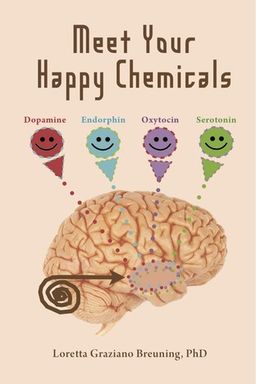
Why does happiness feel so fleeting, even when life seems to be going well? In Meet Your Happy Chemicals, Loretta Graziano Breuning argues that the feeling of happiness is not meant to last. It’s a fleeting signal generated by four key neurochemicals—dopamine, endorphin, oxytocin, and serotonin—that evolved to help mammals survive, not to keep them blissfully content. These chemicals reward behaviors necessary for survival and reproduction, then shut off so that we remain motivated to pursue new opportunities.
Breuning contends that understanding our neurochemical wiring allows us to stop blaming ourselves—or the world—for unhappiness. Instead of expecting constant joy, we can work with our mammal brain to create realistic and sustainable ways to trigger these “happy chemicals.” She also highlights the darker side of this system: our brains constantly cycle between pleasure and frustration, often trapping us in vicious cycles of chasing fleeting highs through habits like overeating, shopping, or people-pleasing.
The Four Happy Chemicals
Dopamine fuels motivation and the thrill of discovery—think of the rush you get after achieving a goal. Endorphin grants temporary relief from pain, like a runner’s high or a burst of laughter. Oxytocin fosters bonds and trust, while serotonin gives you the calm pride of social respect. Each serves a different purpose in helping your ancestors (and you) survive, but none were meant to stay on forever. Their temporary surges drive mammalian behavior: seek rewards, bond with others, gain status, and ignore pain long enough to stay alive.
The Unhappy Chemicals
Breuning also explores cortisol, the quintessential “stress chemical,” which she recasts as an essential survival alarm. Just as a hungry gazelle must risk predators to find food, humans rely on cortisol to alert us to danger, disappointment, and unmet needs. These bad feelings aren’t flaws—they’re reminders that our ancient wiring is still doing its job. The problem is that our modern environment rarely offers clear physical threats, so our alarms often misfire at social slights or imagined problems.
Why Happiness Feels So Elusive
According to Breuning, the fleeting nature of happiness has an ancient logic. In the wild, survival required balancing risk and reward. A mammal resting too long on its laurels would starve; one ignoring threats would be eaten. That’s why your dopamine drops after you achieve something and your brain soon finds a new target. Your ancestors who stayed hungry for more—more safety, food, or social status—were the ones who reproduced successfully. We inherit their restless chemistry.
Today, that same restlessness manifests as modern dissatisfaction. You can have a stable job, good friends, and a warm home, and still feel anxious or unfulfilled. Breuning shows this isn’t personal failure—it’s biology. Our core emotional equipment evolved in harsh environments, and it interprets everyday disappointments as survival threats. By understanding this, you can stop villainizing your mammal brain and instead learn to train it.
Building New Neural Pathways
Each neural pathway you use frequently becomes a superhighway for your feelings. The habits you built in childhood—whether chasing approval, avoiding conflict, or eating sweets under stress—are still the roads your brain travels to find relief. Building new paths takes effort. Breuning introduces her hallmark “45-day rule”: repeat a new behavior daily for six weeks, and you’ll carve a sturdy new trail through your neural jungle. Do it long enough, and your brain will turn toward your new habits automatically, just as electricity follows the path of least resistance.
Working With, Not Against, Your Brain
Instead of trying to switch happiness on permanently, Breuning recommends learning to anticipate and manage your chemical surges. You can cultivate healthier dopamine loops by celebrating small wins, use laughter or stretching to release endorphins, build trust for steady oxytocin, and savor earned pride for serotonin. Facing cortisol without panic—just observing its rise and fall—creates room for better choices. By accepting these natural ups and downs, you stop expecting constant bliss and start building sustainable satisfaction.
Ultimately, Meet Your Happy Chemicals is a guide to emotional literacy through biology. Breuning blends neuroscience with evolutionary psychology to reveal why feeling good is hardwired to be temporary—and how understanding that truth sets you free. You can’t rewire millions of years of evolution overnight, but you can learn the language of your mammal brain and help it work for, not against, your modern life.