
Idea 1
Meditation as Practical Sanity Training
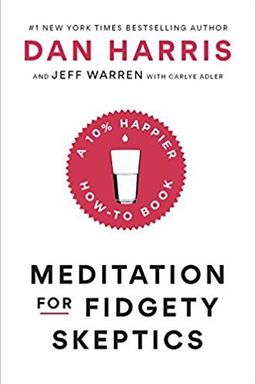
What if getting happier didn’t mean escaping your thoughts, but training them? In Meditation for Fidgety Skeptics, ABC News anchor Dan Harris and meditation teacher Jeff Warren argue that meditation is not mystical relaxation—it’s practical mind training. Their central claim is counterintuitive yet deeply liberating: happiness is a skill you can practice, not a reward you stumble into. Through observation, friendliness, and relentless self-curiosity, you develop the capacity to respond wisely to life rather than react impulsively.
Harris, once driven by ambition and anxiety, became convinced after his on-air panic attack that the mind can be rewired. His first book, 10% Happier, introduced that idea. This sequel takes it on the road. He and Warren rent a rock-star bus and cross America to confront the myths that keep people from meditating—starting with objections like “I can’t do this,” “I don’t have time,” “People might think I’m weird,” “Meditation is self-indulgent,” and the biggest one of all, “I can’t keep it going.” Each chapter mixes journalistic storytelling with meditation instructions, turning spiritual theory into accessible life hacks for everyday people.
The Problem of the Mind’s Voice
The book begins where Harris’s panic attack left off: with the discovery that every human is hostage to a compulsive inner narrator. We plan, regret, worry, and self-criticize, usually without noticing. Harris invites readers to recognize this constant chatter—the same voice that tells you you’re too busy, too lazy, or too late—and to work with it using mindfulness. Warren calls this the practice of returning to awareness: when you drift, you simply begin again. In that act of noticing and returning lies the magic. You slowly train yourself to see that you are not your thoughts; you’re the one observing them.
Why Skepticism Matters
The authors don’t assume people will embrace meditation easily. Most potential meditators are skeptical, distracted, and self-conscious—the very audience Harris describes as “fidgety skeptics.” They use humor and psychology to address these barriers. Harris, raised by scientists, highlights the growing research showing meditation’s effects on stress, attention, and emotional regulation. Warren translates ancient mindfulness into practical exercises, like “Ten Good Breaths” or “Taking Back Lazy.” They reject mystical paraphernalia (robes, chants, enlightenment talk) and emphasize common sense.
From Discipline to Experimentation
A recurring theme is experimentation over perfection. Meditation isn’t about clearing the mind or attaining bliss—it’s about failure training. You will wander repeatedly; that’s the point. Each time you return to focus, you strengthen awareness. Harris and Warren call this mental exercise a “biceps curl for the brain.” Combining self-compassion research (Kristin Neff’s studies on resilience) with behavioral science, they show that guilt and willpower don’t sustain habits—gentle curiosity does. Warren’s mantra, “Welcome to the party,” encapsulates this: every distraction, itch, and anxious thought is part of the mind’s training ground.
A Road Trip of Transformation
The book takes readers from TV studios to military academies and police departments, revealing meditation’s relevance in unexpected places. A congressman, a sergeant, and pop singer Josh Groban each wrestle with doubts or fears—whether meditation might make them too soft, too weird, or too happy to succeed. Harris and Warren turn those fears into lessons on how mindfulness enhances rather than erodes sharpness. It’s the “edge without edginess” principle: focus and calm amplify effectiveness. The tour culminates in a “do nothing” meditation illustrating ultimate ease—allowing reality to unfold without control.
The Significance of Training Happiness
Beyond anecdotes, the authors make a larger argument about human potential: the untrained mind is stupid, as the Buddhist teacher Ajahn Chah once said. Training the mind means cultivating five skills—concentration, clarity, equanimity, friendliness, and enjoyment. These qualities ripple out into life, improving relationships and resilience. Meditation offers not mysticism but ordinary sanity: the ability to pause, notice, and choose how to live. Harris concludes that his own life—career, marriage, parenting—grew richer not because he became “deeply enlightened,” but because he became slightly more self-aware. Ten percent happier, perhaps; but the effect compounds annually. For anxious moderns, that’s revolutionary.