
Idea 1
Healing PCOS Through Love, Food, and Understanding
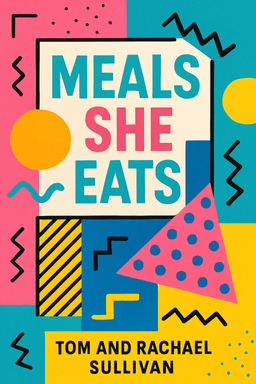
What if the meals you ate could transform not only your health but your relationship, your fertility, and even your understanding of your own body? In Meals She Eats, Rachael and Tom Sullivan invite you into their kitchen—and their love story—to show how cooking with intention can heal the hormonal chaos of polycystic ovary syndrome (PCOS) and bring back rhythm to a woman’s body. This is far more than a cookbook; it’s a holistic manual for living in sync with your menstrual cycle, managing PCOS, and rediscovering vitality and emotional well-being through everyday rituals of nourishment and self-care.
Rachael’s candid storytelling and Tom’s methodical cooking guidance make this book highly relatable. It’s rooted in their viral journey that began with a ‘secret Instagram account’—Tom’s private log of the hormone-friendly meals he was cooking for his wife—which soon touched millions of lives online. Their success came not from medical authority but from lived experience, curiosity, and compassion. Throughout the book, they argue that the body’s seemingly mysterious signals—irregular cycles, fatigue, or mood dips—are not broken but speaking a language anyone can learn to translate with food, movement, and mindful habits.
Understanding PCOS and Its Impact
At its core, PCOS is a hormonal disorder, but for Rachael, it became a journey of agency. The Sullivans explain that PCOS involves elevated male hormones, irregular cycles, and insulin resistance, creating ripple effects on skin, fertility, and mental health. Yet they emphasize that healing doesn’t start in a doctor’s office—it begins in the kitchen. Using a mix of medical clarity (with contributions by Dr. Bryson Whalen) and real-life anecdotes, they demystify PCOS: why periods vanish, why fatigue strikes, and how lifestyle adjustments can restore normal ovulation. The authors position food as both fuel and therapy, replacing restrictive dieting with empowerment through hormone-conscious choices.
Cycle Syncing: The Heart of the Approach
The book’s standout concept is cycle syncing—aligning foods, workouts, and habits with the four phases of the menstrual cycle: menstrual, follicular, ovulatory, and luteal. Instead of treating the body as static, Rachael and Tom view it as a dynamic system with shifting needs. For example, during menstruation, they opt for warming soups and iron-rich stews to replenish nutrients. During follicular days, fresh greens and vibrant grains stimulate renewal. In ovulation, detoxifying salads with asparagus or brussels sprouts help the liver process excess estrogen, while luteal recipes—like sweet potato hash or pumpkin chili—support progesterone stability. Every phase becomes a distinct culinary rhythm.
The Lifestyle Beyond Recipes
While Meals She Eats offers abundant recipes (from miso soup to blackened shrimp tacos), its deeper message lies in holistic living. The Sullivans explore emotional and physical self-care: journaling symptoms, practicing yin yoga while menstruating, taking walks under sunlight for vitamin D, and treating sleep as medicine. Rachael reframes experiences like cramps and hormonal acne as signals rather than sufferings. She blends science and humor—detailing “anal bleaching” jokes alongside menstrual blood color charts—to keep readers grounded and entertained. Tom complements her warmth with practical advice: cooking tips, pantry swaps, and shopping strategies to simplify daily implementation.
Community and Compassion
Equally powerful is the community element behind their story. From feeding North Carolina college students to interacting with followers who share their hormone challenges, the Sullivans highlight food as connection. Their home became an informal wellness center—a place where nourishing others sustained hope. As their following grew, they received testimonials from women who regained cycles or conceived naturally through dietary adjustments. These collective triumphs solidified their belief that shared knowledge and love-driven care can rival any prescription.
Why It Matters
Ultimately, Meals She Eats is a manifesto for turning pain into partnership. It matters because it challenges the idea that hormonal issues are permanent, shameful, or lonely experiences. The Sullivans show that balance is within reach when science meets sensitivity—when partners cook together, track cycles together, and turn “what she eats” into “what we learn.” They argue that the reward isn’t just restored health but restored connection—to one’s body, one’s partner, and one’s sense of purpose. In a wellness culture often fragmented between fad diets and sterile medical jargon, their approach reminds you that healing can taste delicious and feel intimate, one meal at a time.