
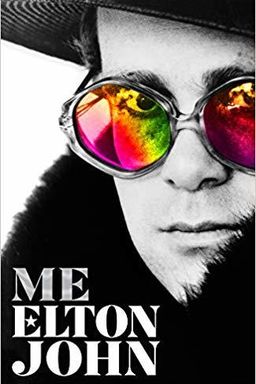
Me cover

Me

by Elton John

Elton John''s autobiography, ''Me,'' takes readers on a journey from his humble beginnings to global superstardom. With candid revelations about his struggles with addiction and his remarkable resilience, the book unveils the man behind the legend. Packed with outrageous stories and celebrity encounters, it''s a must-read for those seeking insight into a life less ordinary.

From Suburban Childhood to Global Icon

How does an anxious, music-obsessed boy from Pinner become one of the world’s most flamboyant and enduring pop icons? In Me, Elton John traces a journey defined by contradiction—between shyness and spectacle, discipline and chaos, self-destruction and reinvention. You watch how personal insecurity, musical hunger, creative partnerships, and recovery combine to form the architecture of a singular career. Elton’s memoir is less about fame than about transformation: how music becomes therapy, identity, and a mirror for personal truth.

Roots and refuge

Born Reginald Dwight in postwar suburbia, Elton’s earliest experiences are claustrophobic—emotionally volatile mother, stern father figure, and a tiny domestic world filled with shouting and radiograms. He retreats into music, creating order through records and catalogues. The moment his mother brings home Elvis’s “Heartbreak Hotel” rewires him: here is freedom. He quickly learns piano, wins a Saturday scholarship to the Royal Academy, and discovers that technical mastery and emotional rawness can co-exist. This tension—between classical structure and pop urgency—becomes the musical DNA of his later work.

Apprenticeship and ambition

His time on the club circuit with Bluesology and Long John Baldry is education by exhaustion: supper clubs, double gigs, tape-machine humiliations, and blues tours with soul legends. He learns crowd psychology, stagecraft, and the value of authenticity. Baldry’s influence—showman and cautionary tale—pushes Elton toward songwriting. You see a theme start here: every setback or embarrassment becomes a lesson in creative control. These years teach him to merge technical mastery with emotional revelation, preparing him for collaboration.

The birth of the Elton-Bernie partnership

The chance pairing with lyricist Bernie Taupin—via Ray Williams’s envelope of lyrics—marks the second rebirth. Bernie sends stories and metaphors; Elton responds in melody. They never write in the same room, a separation that fuels invention. Reg Dwight becomes Elton John, shedding old identity for a creative dual self. Their process—words first, music later—lets the partnership thrive on balance: Bernie’s literary layering meets Elton’s instinctive melody. Together, they learn how constraint breeds innovation (compare this to Lennon–McCartney, who wrote jointly; Elton and Bernie succeed through distance).

Breakthrough and spectacle

Once the pair connect with producer Gus Dudgeon and arranger Paul Buckmaster, the sound becomes orchestral and cinematic. The 1970 Elton John album and the Troubadour concert turn him into a sensation. Costumes—Mr Freedom outfits, sequins, and feather boas—transform insecurity into theatre. The persona becomes protective armor. The point isn’t vanity but expression: flamboyance gives emotion a visual channel. (Note: in pop psychology terms, the stage persona functions as an integrated shadow self, making vulnerability performable.)

Love, identity, and survival

As success escalates, Elton confronts sexuality and secrecy. The failed engagement to Linda Woodrow, Long John Baldry’s intervention (“You’re gay”), and later public coming out reveal the cost of self-denial. The relationship with manager John Reid mixes love, violence, and dependency. Fame magnifies dysfunction. Cocaine, compulsive spending, and humiliation coexist with professional triumphs. Yet amid chaos, he finds grounding in Watford Football Club—a metaphor for belonging and purpose. Supporting Watford shows that meaning can come from humble, communal commitments rather than celebrity.

Collapse and recovery

Addiction peaks through the 1980s: cocaine, bulimia, impulsive behaviors, and an ill‑fated marriage to Renate Blauel reflect how success mutates into escape. His voice crisis in Australia, diagnosed as cysts from substance abuse, becomes the first alarm. Later, libel wars with The Sun push him toward accountability—defending truth over shame. The decisive transformation arises in 1990: rehab and the 12‑step process in Illinois teach humility and routine. Making his bed, attending meetings, admitting powerlessness—all small acts that rebuild self‑respect. Sobriety reorients his energy toward service and creation.

Redemption through purpose

Recovery opens a new ethical chapter. Encounters with Ryan White during AIDS activism humanize the crisis and catalyze the founding of the Elton John AIDS Foundation—a disciplined model of responsible philanthropy (“low overheads, high dignity”). Charity becomes therapy; serving others heals the self that fame fractured. Creativity revives through musicals and film partnerships—The Lion King, Aida, Vegas residencies, and tributes like Candle in the Wind 1997—showing how reinvention can convert private grief into mass resonance.

Priorities and legacy

In later decades, family replaces applause. His marriage to David Furnish, civil partnership, and parenthood (Zachary and Elijah via surrogacy) complete the circle. The farewell‑tour decision—choosing school runs over stadiums—illustrates the final inversion: fame now serves life, not the reverse. The memoir ultimately argues that identity is iterative. You can shed names, addictions, costumes, and still remain yourself so long as you keep the creative core alive. Elton John’s story isn’t just survival—it’s the art of renewing sincerity amid spectacle.


Formation of Talent and Identity

You trace how musical passion emerges from emotional tension. The Dwight household of postwar Pinner is strict, loud, and feminine in energy—mothers, grandmothers, and shouting. That confinement drives young Reg into solitude and pattern-making. Collecting records becomes a way to control chaos. Every disk is an ordered version of the world. When Elvis Presley bursts from the radiogram, you see liberation personified. The sensation—physical, electrifying—sets a lifelong goal: music as freedom, not decorum.

Classical training meets pop instinct

At seven, he begins lessons with Mrs. Jones and wins a Royal Academy scholarship. Saturdays at Marylebone bring discipline: scales, harmony, orchestration. He dislikes the rigidity but absorbs craft. Those lessons—how chords color emotion—will define future hits. Later, orchestral arrangements by Paul Buckmaster echo this training. You notice how formal structure gives durability to instincts. For example, when he co-writes with Bernie, those chords make literary lyrics sing as pop without losing depth.

Early gigs and psychological survival

As teenager playing Northwood Hills Hotel, Elton tests early showmanship. He learns how to charm skeptical punters, control atmosphere, and sometimes absorb cruelty. Ordinary crowds teach adaptability. This foundation explains his later resilience before massive stadium audiences. Discipline and escape combine: he can perform chaos while staying precise. (In artistic psychology, this mirrors the “containment” dynamic—where art channels anxiety into productivity.)

Identity through music

When you see Elvis ignite his imagination, Long John Baldry model professionalism, and audiences respond, the realization forms: music isn’t just skill—it’s identity. Reg Dwight transforms into Elton John because the persona completes the psychological circuit. The book makes clear that musical formation and emotional survival are one process: learning harmony externally while seeking it internally.


Partnership, Production and Artistic Growth

The creative engine of Elton John’s early success rests on two partnerships: Bernie Taupin for words and Gus Dudgeon–Paul Buckmaster for sound. Once you analyse their collaboration, you see a formula for sustained art—separation of strengths, respect for roles, and shared emotional ambition.

Bernie Taupin: lyrical compass

Bernie sends poems from Lincolnshire, filled with Americana and biblical metaphors. Elton, sitting with lyric sheets, translates those stories into melody. He can’t write lyrics; he needs stimulus. This constraint becomes power. Songs like “Border Song” and “Your Song” illustrate the synergy: words first, then harmonic architecture. Their process resists ego and welcomes spontaneity. The emotional honesty is what makes simple progressions timeless.

Studio craft and sonic evolution

Transitioning from small demos to Trident Studios, Elton meets Gus Dudgeon (producer) and Paul Buckmaster (orchestral arranger). Together they craft cinematic textures—strings, harpsichord, and bright engineering. That sophistication turns songs into immersive experiences. His debut Elton John (1970) and later Tumbleweed Connection prove how production can elevate songwriting. At the Troubadour in Los Angeles, the synergy of polished production and live charisma earns instant respect from peers like Leon Russell.

Creative insight

The lesson is that technical collaboration magnifies individuality. The right engineer or arranger helps an artist become audible to the world.

Building momentum

Once a stable band forms (Nigel Olsson, Dee Murray), touring and studio cycles merge. America’s recognition validates him as album artist. He learns the economic realities—balancing commercial singles with ambitious compositions. The phase where production partnerships blend with artistic vision is the hinge from local talent to international phenomenon.


Performance, Persona and Theatrical Control

Performance for Elton John isn’t décor; it’s emotional translation. The flamboyant costumes, acrobatics, and humour turn vulnerability into spectacle. You can see how stagecraft evolves from necessity—using clothing as confidence—to artistry, where every hat and boot communicates character.

Costume as self-expression

Afghan coats, sequins, and platform boots become expressive language. At the Troubadour, yellow dungarees with wings force audiences to pay attention. The outrageous becomes authenticity. Collaborations with Bob Mackie and Bill Whitten refine the look into a brand. He understands that in rock theatre, image shapes emotion before the first chord.

Stagecraft and spectacle

Jumping on pianos, handstands, doves at the Hollywood Bowl, and later Vegas shows mix risk and play. Mistakes become legend; success becomes myth. The persona—half sincere balladeer, half glittered trickster—bridges pop’s intimacy and rock’s grandeur. (Compare David Bowie’s Ziggy era: both artists use costume as storytelling.)

Performance insight

Flamboyance is not evasion—it’s a way to declare vulnerability safely. Spectacle and sincerity are not opposites but mirrors.

Elton demonstrates that persona, when managed consciously, becomes agency. He writes his image as carefully as his melodies. The real lesson: mind your performance narrative, because how you appear can carry as much emotion as what you sing.


Addiction, Crisis and Courage

The mid‑career years reveal a darker undercurrent: cocaine and alcohol dominate. The memoir makes addiction specific—not romanticized. First line offered by John Reid, first collapse frequent. Cocaine amplifies charm and fearlessness but destroys mental clarity. He shops as therapy (collecting art nouveau furniture, trams, curios). Fame provides infinite supplies; emptiness makes him consume endlessly.

The spiral into recklessness

Addiction merges with emotional dysregulation. His marriage to Renate Blauel arises from loneliness, not love. Four days between proposal and wedding show impulsivity tied to chemical need for closure. The partnership fails kindly but painfully, teaching accountability. Then voice troubles arrive—cysts on cords threaten career and identity. Surgery in Australia saves his voice; the deeper tone post‑operation becomes symbolic maturation: pain refines craft.

Humiliation and resistance

Media attacks by The Sun test dignity. False stories about sexual behavior push him to sue—seventeen writs and million‑pound settlements. These cases display his insistence: fame doesn’t cancel truth. Litigation is emotional torture but necessary boundary‑setting. It’s a rare depiction of celebrity fighting lies not for vanity, but ethical precedent.

Moral takeaway

Power without integrity corrodes. Protecting truth—even through painful public court—preserves inner stability when addiction undermines it.

Ultimately, these intertwined crises—voice surgery, libel battles, destructive habits—collectively push Elton toward recognition that survival requires surrender. They establish the stage for the full recovery narrative to follow.


Recovery and Purpose

The turning point in 1990 transforms biography into manual. Elton’s entrance to Lutheran Hospital rehab in Illinois captures humility learned through rupture. You see addiction stripped of glamour, replaced by routine and peer honesty. Checking in as George King, he confronts humiliation and resistance—the shock of learning to fold sheets and accept help. Twelve-Step culture initially repels him (especially its 'higher power' framing), but through meetings he redefines spirituality as truth-telling. He realizes that honesty is not confession but practice.

Process over miracle

Recovery becomes structured work: daily AA and CA meetings, making tea, writing affirmations (“I AM WORTHY”), service to others. He attends meetings worldwide, turning repetition into protection. The psychological shift is profound—you replace the performance of control with the humility of maintenance. Addiction gives you instant reward; recovery gives you sustainable rhythm.

Ripple effects and renewal

Sobriety reactivates creativity and compassion. He rebuilds relationships, reconciles with Bernie, and channels energy into AIDS activism. The Ryan White episode converts personal grief into public mission. From that spark, the Elton John AIDS Foundation emerges—emphasizing lean administration and dignity for beneficiaries. Selling records and hosting Oscars parties fund real programs. Over time, it raises hundreds of millions, offering a model of efficient celebrity philanthropy.

Recovery insight

Healing becomes meaningful only when shared. Transforming self-care into care for others solidifies sobriety.

By the mid‑1990s, Elton turns pain into platform: musicals, activism, and mentorship. For anyone navigating recovery, his steps illustrate that regeneration isn’t just abstinence—it’s new alignment between creativity and conscience.


Reinvention, Family and Legacy

The later chapters present a calm evolution: after decades of spectacle, Elton John redefines success as stability. Reinvention occurs at multiple levels—artistic, emotional, and domestic. He merges work and love responsibly, becoming an emblem of maturity in celebrity culture.

Creative reinvention

Post‑recovery, failed experiments like Leather Jackets give way to masterpieces: The Lion King, Aida, and film collaborations with Tim Rice. Writing for narrative rather than ego reinvigorates skill. The Las Vegas Red Piano show, directed by David LaChapelle, turns provocation into art. Each venture reflects courage to enter unfamiliar forms. Public grief, such as the Diana funeral version of “Candle in the Wind,” tests the ethics of fame. He keeps the song private afterward, affirming boundaries against exploitation.

Family and priorities

Meeting David Furnish in the 1990s anchors his private renewal. Their partnership—marked by civil union (2005) and marriage (2014)—offers domestic calm after decades of chaos. Attempts at adoption morph into surrogacy: Zachary’s 2010 Christmas birth and Elijah’s 2013 arrival reorient his life. Parenthood redirects ambition toward presence. When illness nearly kills him and school calendars loom, he chooses fatherhood over touring, launching his farewell tour as affirmation of new meaning.

Life insight

Success is not accumulation but allocation—deciding where your energy should now live.

The closing tone of the memoir is gentle: art and family integrate rather than compete. Elton John ends not as unreachable star but as reflective parent, teaching that survival’s greatest payoff is normalcy. Reinvention, finally, means peace without performance.

Dig Deeper

Get personalized prompts to apply these lessons to your life and deepen your understanding.

Go Deeper

Get the Full Experience

Download Insight Books for AI-powered reflections, quizzes, and more.