
Idea 1
Mastering Modern Creative Work
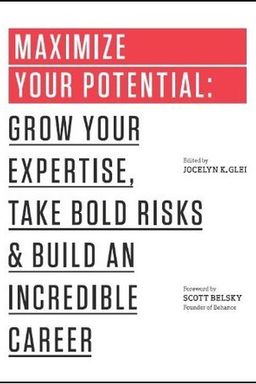
How can you create your best work when everything around you is engineered to distract you? Manage Your Day-to-Day, edited by Jocelyn K. Glei and published by 99U, tackles precisely this question. Gathering insights from more than twenty accomplished thinkers—among them Seth Godin, Cal Newport, Gretchen Rubin, and Steven Pressfield—it offers a hands-on guide for navigating the chaos of modern creative life. The book contends that creativity in today’s world doesn’t suffer from a shortage of ideas but from a shortage of disciplined execution. The real challenge, Glei argues, lies not in inspiration but in building sustainable habits that transform fleeting sparks into finished works.
Each contributor explores how technology, busyness, and fragmented attention have redefined what it means to work creatively. The volume proposes that creative success stems from four intertwined skills: building a rock-solid routine, finding focus in a distracted world, taming your tools, and sharpening your creative mind. These principles shape a modern operating system for your day: how you schedule, how you connect, how you renew, and how you think. Rather than following yet another productivity formula, you learn to design a personalized approach rooted in awareness of your time, energy, and attention.
A New Era of Work
Scott Belsky’s foreword sets the stage, describing our current age as the “era of reactionary workflow,” where constant pings and notifications drag us away from what matters most. Many professionals, he suggests, spend their entire day responding rather than creating. The cure begins with a “self-audit” of how you manage your time. Instead of blaming environments or tools, Belsky urges you to own the problem: reclaim your workflow through conscious optimization and deliberate pauses. His mantra—“It’s not about ideas, it’s about making ideas happen”—captures the shift from abstraction to action that defines the book.
Why Execution Matters More than Inspiration
Glei draws on Thomas Edison’s famous claim that genius is “1 percent inspiration and 99 percent perspiration.” For decades, creative culture glorified the spark but ignored the grind; 99U aims to fill that gap by teaching the missing curriculum of creative execution. The problem is that modern workers live in a paradox: we have unlimited connectivity and tools at our disposal, yet find ourselves overwhelmed, fragmented, and drained. As the preface explains, old images of the lone artist in a studio or solitary writer at a desk don’t fit today’s environment. Now, our “metaphysical front door is always open,” making solitude—and thus deep creativity—hard to find. The book’s purpose is to help you shut that door strategically, not forever, but long enough to reclaim your focus and rhythm.
Four Core Skills of Creative Mastery
The contributors explore creativity through four pragmatic dimensions. First, routine builds the foundation for consistency. As psychologist Mark McGuinness notes, your most important work should precede reactive duties like answering emails. Frequency, Gretchen Rubin adds, fuels momentum—what you do every day matters more than what you do once in a while. Second, focus counters distraction. Cal Newport’s “focus blocks” create protected time for deep work, while Dan Ariely explains the biochemical allure of stimuli like email check-ins. Third, tools must be tamed before they tame you. Writers such as Aaron Dignan and Lori Deschene teach you to treat email and social media mindfully instead of compulsively, while Linda Stone’s study of “screen apnea”—holding your breath unconsciously while on digital devices—reminds readers that even your physiology changes under constant connectivity. Finally, in mind sharpening, contributors like Todd Henry and Stefan Sagmeister explore how to sustain creative insight through play, rest, and experimentation. Henry’s “unnecessary creation” practice—making something purely for yourself—restores creative freedom; Sagmeister’s trick of looking at a problem from an entirely different perspective sparks breakthroughs.
The Human Side of Productivity
What sets Manage Your Day-to-Day apart from conventional productivity books (like David Allen’s Getting Things Done or Tim Ferriss’s 4-Hour Workweek) is its empathy for the human mind. It acknowledges that creativity isn’t a mechanical process; it’s emotional, mental, and physical. Tony Schwartz reveals that true productivity depends on energy renewal—resting rhythmically through the day to avoid burnout. Leo Babauta advocates carving daily solitude to regain clarity. Elizabeth Grace Saunders unpacks perfectionism as a trap that kills momentum. Together, these essays build a multidimensional view of creative work: one that values pace, mindfulness, and balance over constant hustle.
Why It Matters
In the bigger picture, this book is less a manual and more a philosophical reset for creators, entrepreneurs, and professionals. It challenges you to step back from reactionary work and design days aligned with intention. The contributors’ collective wisdom underscores a critical idea: creativity isn’t a magical state but a practiced craft that relies on how you manage your minutes. You don’t need a new app or system; you need awareness, boundaries, rituals, and renewal. As Steven Pressfield concludes, professionalism means showing up every day despite resistance—the universal force that keeps you from doing your work. The book’s ultimate message is clear: if you want to thrive in creative work, master the mundane. Build habits so dependable that inspiration has no choice but to catch up.
Big Idea
Creativity flourishes not through chaos but through consistency. When you consciously manage your time, environment, and energy, you transform daily struggles into rituals of progress. The modern creator’s struggle isn’t about finding ideas—it’s about finding the space to let them live.