
Idea 1
The Path of Mastery: A Lifelong Journey, Not a Goal
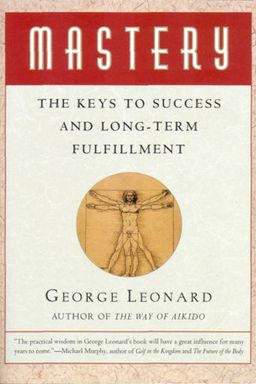
When was the last time you tried to learn something new—a sport, a craft, a language—and felt frustrated by slow progress? In Mastery, George Leonard argues that modern society has lost touch with the art of sustained learning. We've become obsessed with instant success, mistaking quick results for real growth. Leonard contends that mastery isn’t a destination but a process—a journey of perpetual learning grounded in patience, discipline, and joy in the plateau.
Leonard invites you to step off the treadmill of quick fixes and into what he calls the master’s path. This path asks you to embrace the slow, unglamorous stages of learning rather than chasing flash achievements. It's the reliable path to not just skill competence, but also personal transformation.
Why the World Resists Mastery
Leonard sets his critique against the backdrop of a culture that idolizes speed, convenience, and visible wins. From television ads that promise instant happiness to business models driven by quarterly results, he calls modern America’s mindset a “war on mastery.” Our society seduces us with promises of climactic moments—the big win, the jackpot, the quick transformation—leaving little appreciation for quiet perseverance. As a result, we become addicted to novelty and speed, unable to tolerate the stillness of the plateau where true growth occurs.
Leonard goes as far as to call this fixation dangerous—not just for individuals but for the nation itself. Politicians craving short-term success mirror corporate leaders focused only on quarterly profits. The same impatience that undermines a tennis player's progress, he argues, also corrodes our economy and personal relationships. The quick-fix mentality seeps into every aspect of life, from crash diets to miracle drugs to “90-days-to-success” ideologies. Against this cultural current, Leonard proposes a radical counter-movement: to slow down and love the process itself.
The Mastery Curve: Progress Through Plateaus
Leonard visualizes mastery through what he calls the Mastery Curve—periods of incremental advancement interspersed with long plateaus. In his memorable tennis example, a beginner experiences initial excitement and small improvements. Then progress halts. Frustration sets in. But this plateau is precisely where learning deepens; old habits are replaced by new neural patterns, often below conscious awareness. The student who persists during this quiet phase, rather than seeking quick rewards, eventually experiences another visible surge of growth—only to meet the next plateau again.
In this model, the plateau isn’t punishment—it’s the heart of learning. It’s where potential consolidates into skill, where patience becomes strength, and where character is forged. True mastery lies in learning to love these plateaus rather than escape them. The master, Leonard writes, spends “most of his or her time on a plateau,” savoring practice itself rather than anticipating its fruits.
The Mindset of the Master
Mastery requires a radical shift in mindset. Instead of seeing learning as a linear climb toward perfection, Leonard reframes it as an infinite path of depth and self-discovery. You don’t “arrive” at mastery; you walk it every day. You learn to value process over outcome, effort over applause, and consistency over intensity. He describes five key elements that sustain this journey—Instruction, Practice, Surrender, Intentionality, and The Edge. Each offers a way to orient your life toward disciplined, deliberate growth.
Drawing on his decades of Aikido practice, Leonard shows how these principles apply not only to martial arts but to all pursuits—business, art, relationships, even life itself. Mastery isn’t a privilege for the gifted but an open invitation for anyone willing to be consistent. In fact, talent can be a hindrance if it feeds impatience; the real secret ingredient is the capacity to persist mindfully on the plateau.
Why It Matters Now
Leonard’s message resonates even more today, in an era of dopamine loops and instant updates. When every skill can be livestreamed and every effort judged by metrics, mastery offers a spiritual antidote. It invites you to make peace with slowness and rediscover purpose in the ordinary rhythm of practice. To walk this path is to reclaim presence, patience, and integrity in a distracted world.
“Mastery is not about perfection. It’s about a process, a journey. The master is the one who stays on the path day after day, year after year.”
In the pages that follow, Leonard guides you through the forces that work against mastery—the Dabbler, the Obsessive, and the Hacker—before unveiling the five master keys that unlock long-term excellence. Along the way, he teaches you how to love the plateau, use failure as fuel, apply mindfulness to everyday life, and approach every endeavor with a master’s calm and fool’s curiosity. His central promise is simple but profound: if you stay on the path long enough, the path itself becomes the reward.