
Idea 1
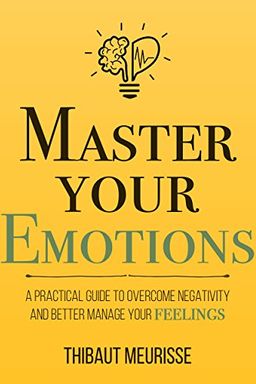
Mastering Your Emotions: Understanding and Transforming Feelings for a Better Life
Have you ever felt at the mercy of your emotions—angry for no reason, paralyzed by fear, or weighed down by sadness without knowing why? In Master Your Emotions, Thibaut Meurisse argues that emotional mastery isn't about suppressing feelings; it's about understanding, interpreting, and transforming them. He believes that your emotions are not enemies to overcome, but powerful messengers that can guide personal growth and fulfillment—if you know how to listen.
Meurisse contends that most people are at war with their emotions because no one ever taught them how to handle them. We learn mathematics, history, and science in school, but not how to process sadness, anger, or anxiety. This ignorance leads to emotional reactivity, negativity, and self-sabotage. His book offers what he calls the instruction manual for the mind—a practical guide to understanding how emotions work, what shapes them, and how you can intentionally change them.
The Evolutionary Roots of Emotion
To begin mastering emotions, Meurisse invites readers to explore where emotions come from. He explains that the human brain evolved for survival, not happiness. Our ancestors survived by responding quickly to threats, and this instinct remains in us as a negativity bias—a tendency to focus on danger, criticism, and bad news. For example, a modern rejection email can trigger the same fight-or-flight response that ancient humans might have felt when facing a predator. This mismatch between a survival-oriented brain and a largely safe modern environment means many of our strong emotions are outdated alarms.
Meurisse highlights that happiness doesn’t arise naturally from our biology. Dopamine, the brain’s reward chemical, can mislead us into chasing short-term highs—from social media notifications to fast food—while neglecting deep, sustainable well-being. He calls this the “dopamine trap,” arguing that real happiness requires conscious mental reprogramming.
The Role of Ego and Identity
Beyond biology, Meurisse points to the ego—the mental identity we construct—as another major influence. Your ego, he explains, is the sum of your beliefs about who you are: your roles, possessions, and opinions. The ego constantly seeks validation, superiority, and control. When you become attached to your ego’s story, you suffer emotionally each time the story is threatened. For instance, a single critical comment can feel devastating if it clashes with your self-image. Rooted in comparisons and expectations, the ego is a fragile foundation for emotional stability.
Instead of trying to erase the ego, Meurisse suggests cultivating awareness—seeing the ego for what it is: a mental construct. As your self-awareness grows, he writes, the ego’s grip loosens, and emotional volatility fades. This echoes teachings by spiritual writers such as Eckhart Tolle (The Power of Now), who similarly stress that awareness dissolves unconscious suffering.
The Nature of Emotions
One of Meurisse’s key insights is that emotions themselves are transient and neutral. They come and go like weather patterns—sometimes stormy, sometimes clear. In themselves, emotions are neither good nor bad; only your interpretations make them painful or pleasant. Anger, fear, and sadness are not flaws to be erased, but signals indicating that something in your beliefs or behavior needs attention. When you accept emotions without judgment, you reclaim the power they hold over you. Suppression and over-identification, by contrast, prolong suffering.
Meurisse uses analogies to make this vivid. Physical pain, he says, warns of bodily harm, prompting healing. Emotional pain works similarly—it signals a need for mental or spiritual realignment. By recognizing this, you can use even negative emotions as catalysts for growth instead of obstacles.
What Shapes and Changes Your Emotions
The book then explores six pillars that directly influence your emotional state: sleep, body posture, thoughts, words, breathing, and environment. Meurisse shows how small shifts in each area can cause large emotional impacts. For example, poor sleep can lower your resilience and amplify irritability; confident body posture boosts testosterone and lowers stress (supported by Amy Cuddy’s research); and controlled breathing can calm anxiety within minutes. These physiological adjustments combine with mental tools—affirmations, visualization, mindfulness—to reshape your emotional landscape.
He then differentiates between managing temporary emotions and transforming deeper emotional patterns. The latter requires investigating how emotions are formed through a cycle of interpretation, identification, and repetition. Change your interpretation of events, detach from disempowering stories, and stop rehearsing negative thoughts—this triad, he insists, rewires emotional responses at their source.
Emotions as Tools for Growth
Finally, Meurisse reframes emotions not as obstacles but as teachers. Stress, jealousy, resentment, depression, fear, and lack of motivation each carry valuable messages about misalignments in your beliefs or lifestyle. By analyzing emotional triggers—what he calls “recording your emotions”—you can decode these messages and act on them. Anger may highlight violated boundaries. Jealousy may reveal unfulfilled desires. Fear may signal opportunities for courage. The ultimate aim is self-awareness: turning automatic reactions into conscious responses.
“You are not your emotions. You are what remains after they fade,” Meurisse reminds readers in the book’s conclusion. This statement captures his philosophy: emotions are transient energy, while your true self—the observer of those emotions—is stable and untouchable.
In short, Master Your Emotions offers a roadmap from unconscious reactivity to deliberate emotional freedom. By understanding the biological, psychological, and environmental factors shaping feelings, embracing emotions instead of resisting them, and reprogramming habits of thought and behavior, you can move from being mastered by emotions to mastering them. This transformation, he argues, is not just emotional but existential: learning to align what you think, feel, and do with conscious awareness so you can live a more peaceful, purposeful life.