
Idea 1
Marriage Be Hard—but Worth It
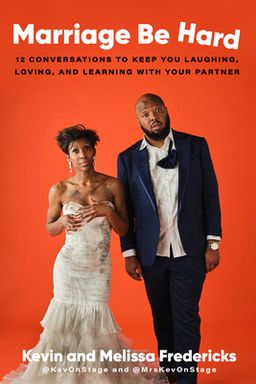
What happens when fairy-tale expectations meet real-life marriage? In Marriage Be Hard, Kevin and Melissa Fredericks—known to millions as KevOnStage and MrsKevOnStage—pull back the curtain on nearly two decades of marriage to show that love isn’t effortless or automatic, despite what romantic comedies or church culture might suggest. The Fredericks argue that true intimacy and longevity in marriage come from daily work: honest communication, emotional vulnerability, forgiveness, and a willingness to address uncomfortable issues—from sex and jealousy to gender roles and faith—with humor and radical candor.
They contend that modern couples, especially those who grew up in the church, are often unprepared for the realities of married life. In their words, “marriage be hard”—not because love fades, but because maintaining it requires unlearning cultural scripts, healing personal wounds, and continuously choosing each other through every season. This book acts as both memoir and manual, blending raw personal stories with lessons drawn from counseling, therapy, and their popular podcast The Love Hour.
Unlearning "Churchy" Myths About Love
Much of the Frederickses’ early struggle stemmed from what they call their “churchy” upbringing—a deeply religious Black church culture that idealized marriage but rarely discussed its practical realities. They were told not to have sex before marriage, but never taught how to communicate sexual desires after marriage. Purity culture, they explain, made them feel that doing everything “right” before saying “I do” would guarantee marital bliss. But instead of fireworks, Melissa’s wedding night felt awkward, rushed, and confusing. The lesson? Church rhetoric often focused on sin avoidance rather than emotional readiness or sexual education, leaving couples unprepared for real intimacy.
As the couple grew older, they realized that faith alone doesn't sustain a relationship. Showing love requires effort, and sometimes even therapy. “Real marriage,” Kevin writes, “is not a Tesla on autopilot—it’s a stick shift on a hill in the rain.” Their willingness to talk about taboo topics—faith, sex, jealousy, and identity—makes their message revolutionary for faith-rooted readers who grew up on silence and shame around intimacy.
Love as Daily Labor, Not a Feeling
The Fredericks repeatedly stress that marriage is more about conscious practice than compatibility. Early on, Kevin was the dreamer—an aspiring comedian who spent money chasing opportunities—while Melissa was the realist, the steady planner anxious about their future. These personality differences caused friction but also taught them that love thrives on adaptability, not sameness. As they learned from years of therapy and reflection, commitment isn’t about always being “in love” but about showing up for your partner, even in anger or exhaustion.
Throughout the book, their storytelling underscores one core truth: relationships break down when communication does. Whether it’s Melissa simmering in silent resentment over missed work events or Kevin misreading her emotions entirely, the couple reveals how assumptions and avoidance can build invisible walls. Yet, they also showcase repair—how regular “relationship check-ins,” vulnerability, and humor can transform even the roughest arguments into opportunities for intimacy. (The wisdom echoes the work of relationship researcher John Gottman, who argues that “soft start-ups” and emotional attunement predict long-term success.)
Building a Toolkit for Real Partnership
Each chapter of Marriage Be Hard focuses on one thorny marital theme: expectations, communication, sex, jealousy, fidelity, fighting, parenting, and more. But instead of preaching from a pedestal, the Fredericks narrate their learning process—the near-affair Kevin stumbled into by emotional ignorance, the burnout Melissa faced from over-functioning, and their hard-earned lessons through therapy. Each section ends with a “relationship check-in,” prompting readers to start similarly raw conversations with their partners.
What makes their approach powerful is its realism. They don’t promise easy fixes—just confession and curiosity. They normalize that attraction fluctuates, that anger will reappear, and that marriages can survive rocky seasons if each partner chooses empathy over ego. The Fredericks remind us that “marriage be hard” isn’t a complaint—it’s an invitation to maturity, honesty, and practiced grace.
Why This Message Matters
In a world where social media glorifies perfect #CoupleGoals and faith spaces avoid sexual or emotional candor, the Fredericks’ openness feels refreshing. They neither romanticize nor disparage marriage—they humanize it. Their blend of humor and holiness bridges generational divides, addressing young couples raised on Instagram perfection and older believers stuck in church silence. Like bell hooks in All About Love, they call for relationships based on truth-telling and care instead of performance or fear.
Ultimately, Kevin and Melissa’s central argument is simple but profound: love is sacred work. Successful relationships don’t depend on being perfectly matched, sexually compatible, or endlessly infatuated. They thrive because two flawed humans continue to choose each other—with honesty, laughter, and effort—again and again. By acknowledging that “marriage be hard,” they open the door to something even more enduring: marriage can also be holy, hilarious, and deeply healing.