
Idea 1
Navigating the Human Side of Change
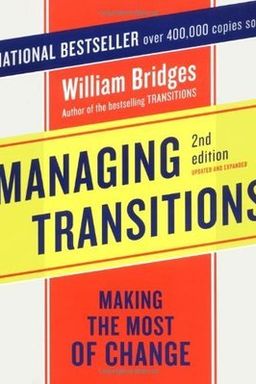
How can you lead yourself or others through overwhelming change without losing direction, purpose, or confidence? In Managing Transitions, William and Susan Bridges argue that it isn’t change itself that destabilizes people, but the internal psychological transition that accompanies it. Change is situational—it’s the merger, the restructuring, the relocation, or the new technology. Transition is psychological—it’s the process people go through to come to terms with the new situation. And here lies the authors’ core insight: change won’t work unless people transition successfully.
Bridges contends that leaders, managers, and even individuals tend to focus on the external logistics of change—budgets, operations, the “what” of the shift—while ignoring the inner process of letting go, processing loss, and embracing a new identity. For changes to stick, people must move through three natural phases of transition: Endings, the Neutral Zone, and New Beginnings. Each demands a distinct kind of leadership and self-awareness.
Why Transitions Matter More Than Change
Bridges shows that countless corporate transformations fail not because the ideas or strategies were wrong, but because leaders skipped over the human side of change. He opens with the example of Benetton’s acquisition spree in the sporting goods industry—a $1 billion deal that collapsed because no one paid attention to the culture, identity, and passion of employees. The structural change was sound, but the psychological transition failed. People were treated as interchangeable assets rather than human beings tied to meaningful work identities. The result: demoralization, mass resignations, and financial losses.
This lesson echoes through modern workplaces where change is constant. Systems can change overnight; people cannot. Whether you’re integrating teams, launching new technologies, or adapting to personal upheavals, you must help people cope with endings, navigate uncertainty, and embrace new understandings. Transition management provides a framework to do just that.
The Three Phases of Transition
Every transition starts with an ending: people must let go of old identities, routines, and ways of thinking. Bridges emphasizes the paradox that transition begins with endings—a truth that most leaders overlook. He likens the process to pruning before growth; you can’t graft the new onto the old. The middle stage—the Neutral Zone—is the in-between space of chaos, confusion, and creativity. It’s the wilderness where old realities dissolve but new forms haven’t fully taken shape. This phase, while uncomfortable, is a fertile period for innovation if managed well. Finally comes the New Beginning, which doesn’t just mean new circumstances but a deeper psychological commitment to a new identity and purpose.
From his decades advising organizations like Apple, IBM, and the U.S. Forest Service, Bridges realized that people resist not the change itself, but the loss it brings—the loss of expertise, influence, colleagues, or familiarity. Leaders who recognize and honor these losses build trust and accelerate adaptation. Those who ignore them sow resistance, burnout, and dysfunction.
Why This Matters in Today’s World
In an era of nonstop disruption—from automation to globalization to hybrid work—Managing Transitions remains profoundly relevant. The Bridges model equips you to manage not just one project or restructuring, but the reality of continual flux. The authors argue that transition is no longer a one-time journey but a lifelong skill. Every organization and individual must become, in their words, “transition-competent.”
As the book unfolds, it offers a roadmap through each phase of transition: how to help people let go and grieve endings without alienating them; how to lead creatively through the uncertainty of the neutral zone; and how to launch authentic new beginnings that stick. Bridges explores organizational life cycles—how companies grow, institutionalize, stagnate, and either die or renew. He tackles nonstop change, emphasizing trust-building, problem-selling rather than solution-forcing, and preparing organizations to be “transition worthy.”
Ultimately, Managing Transitions teaches that successful leadership is not about commanding transformation, but shepherding people through it. Change can be mandated; transition must be led. The frameworks here apply equally to CEOs guiding thousands through upheaval and to anyone personally managing a career shift or life reinvention. The question Bridges leaves you with is simple yet profound: when change arrives—and it always does—will you fight it, flee it, or learn how to move through it with grace?