
Idea 1
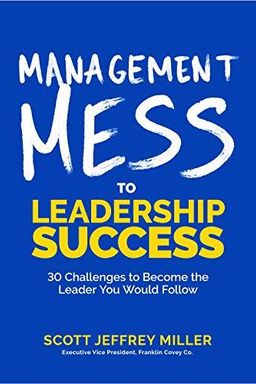
From Management Mess to Leadership Success
Have you ever felt that leadership was meant for someone else—someone more polished, patient, or perfect? In Management Mess to Leadership Success, Scott Jeffrey Miller argues that leadership isn’t about being flawless; it’s about managing your flaws with honesty, humility, and a willingness to learn. Drawing from decades of professional highs and personal blunders, Miller contends that the journey to becoming a leader others would follow is both messy and magnificent. To lead effectively, you must first embrace your own imperfections and use them as fuel for growth.
Miller’s central claim is that leadership is a lived experience, a set of daily decisions that reveal both strength and vulnerability. Through thirty actionable challenges, he invites readers to confront their own “management messes” and transform them into success habits grounded in principles developed at FranklinCovey, the organization built upon the legacy of Dr. Stephen R. Covey’s The 7 Habits of Highly Effective People. This book offers more than theory—it’s a playbook for realistic leadership development, full of confession, candor, and compassion.
The Heart of Humble Leadership
Miller begins by acknowledging the contradiction inherent in leadership: we’re expected to have all the answers, yet our greatest power often comes from admitting when we don’t. His first stories—of late-arriving sales teams, emotional overreactions, and public apologies—set the tone for what’s to come. True leadership, Miller insists, begins with humility. When we drop the façade of perfection, we give others the courage to do the same. In a corporate world hungry for authenticity, humble leaders inspire trust more deeply than those who never show cracks.
This theme runs throughout the book: success isn’t found in hiding errors but in owning them. Miller illustrates this through vivid examples, such as his disastrous first meeting as a new manager, when ego overtook empathy, and again through moments where listening first or practicing empathy transformed relationships. The idea is not to avoid mistakes but to convert them into teachable moments—for yourself and for others.
The Three Pathways to Success
The book’s structure reflects FranklinCovey’s practical approach: three sections that mirror the natural evolution of leadership—“Lead Yourself,” “Lead Others,” and “Get Results.” Each section offers ten challenges that propel you from self-awareness to team influence to organizational effectiveness.
- Lead Yourself: The first eight challenges focus on personal mastery. Here, Miller draws heavily on lessons from The 7 Habits—think abundance mindset, listening first, declaring intent, and emotional regulation. You must build credibility by keeping commitments, balancing your own weather (your emotions), and modeling trust.
- Lead Others: The next stretch deals with the complexities of relationships—placing the right people in the right roles, showing loyalty, creating safety, and addressing conflict directly. Miller insists that effective leaders are those who combine courage with consideration—who can tell the truth without shredding trust.
- Get Results: The final section focuses on performance—creating vision, aligning goals, building systems, and sustaining energy. Miller reminds us that great leadership isn’t about perpetual busyness; it’s about prioritizing what truly matters and celebrating meaningful wins.
Why This Approach Matters
In a world obsessed with flawless execution and polished personas, Miller’s book feels like a relief. He argues that too many leadership models ignore the human reality of the role—the anger, self-doubt, exhaustion, and overcommitment that come with it. By writing with brutal honesty, he reframes the conversation: leadership is less about innate charisma and more about consistent course correction. This philosophy resonates with other truth-telling leadership books such as Brené Brown’s Dare to Lead and Patrick Lencioni’s The Ideal Team Player, both of which also champion vulnerability and self-awareness as competitive advantages.
Miller’s confessional storytelling—whether recounting his career in Disney’s real estate arm or his time rising through FranklinCovey—makes these principles immediate and memorable. His voice is equal parts self-deprecating and sincere, reflecting the notion that empathy and accountability must coexist. He draws from mentors like Dr. Covey, Stephen M.R. Covey, and Todd Davis to create a composite view of leadership as both science and soul.
From Mess to Movement
Ultimately, Management Mess to Leadership Success is about transformation. Miller’s 30-step challenge is not a checklist—it’s a set of mirrors, each reflecting a different part of yourself. Some reflections will sting, while others will affirm how far you’ve come. The reward is self-respect built on integrity and a leadership style grounded in authenticity.
“You’re only thirty challenges away from becoming the leader you’d actually want to follow,” Miller promises. His point is simple: progress begins when you stop pretending. Leadership, then, is neither a destination nor a title—it’s a daily act of courage to improve yourself so others can thrive alongside you.
In the pages that follow, each principle—humility, abundance, listening, trust, balance, and continual learning—builds upon the last to form a realistic picture of leadership you can actually live. Not perfect. But perfectly human.