
Idea 1
Building Creative Focus in a Distracted World
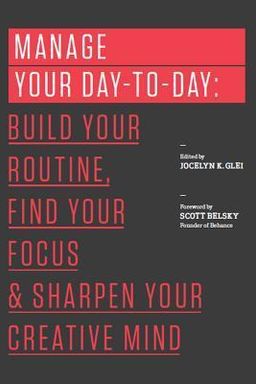
When was the last time you felt truly immersed in your work—without notifications, pings, or email interruptions pulling you away? In Manage Your Day-to-Day: Build Your Routine, Find Your Focus, and Sharpen Your Creative Mind, editor Jocelyn K. Glei and contributors like Seth Godin, Cal Newport, Gretchen Rubin, and Scott Belsky explore this very question. They argue that in today’s hyperconnected world, managing your attention—not your time—is the defining skill for doing great creative work.
The book’s core argument is simple yet profound: creative success depends less on inspiration and more on structure, focus, and self-command. For too long, creatives have glorified spontaneous bursts of creativity. But as Thomas Edison famously said, “Genius is 1 percent inspiration and 99 percent perspiration.” The authors contend that creative professionals must learn to design their days deliberately—through routines, conscious use of technology, and disciplined focus—to consistently produce great work in an era of endless distraction.
Four Pillars of the Modern Creative Life
The book is organized around four themes that act as pillars of creative sustainability:
- Building a Rock-Solid Routine – Establish consistent habits and creative rituals to make deep work inevitable.
- Finding Focus in a Distracted World – Defend your attention from the modern deluge of information and multitasking.
- Taming Your Tools – Use technology intentionally instead of reactively, and let devices serve your creativity rather than sabotage it.
- Sharpening Your Creative Mind – Cultivate creativity through renewal, side projects, and mental rewiring rather than waiting for inspiration to strike.
Each chapter features expert essays blending psychological research with practical insights. Mark McGuinness emphasizes the importance of doing your own creative work first—before responding to others’ demands. Gretchen Rubin highlights frequency as the secret to sustained creativity: small daily steps beat erratic bursts of effort. Cal Newport advises scheduling dedicated blocks for deep work to defend against “reactionary workflow,” the endless responding to messages and tasks that drain focus. Tony Schwartz reminds readers that energy, not time, is the real currency of productivity.
The Age of Reactionary Workflow
Scott Belsky’s foreword defines the “reactionary workflow”—the tendency to live in a state of constant response, juggling emails, texts, and notifications. This reactive behavior, he warns, turns creative minds into processors of others’ priorities. To reclaim our best selves, we must practice proactive work: projects that advance our own long-term goals rather than feed the noise around us. This theme runs like an undercurrent through the entire book. The contributors consistently advocate the radical act of disconnecting—of saying “no” to urgency to say “yes” to creativity.
Why These Ideas Matter Today
In a world where multitasking and hyperconnectivity are badges of honor, Glei’s curation offers an antidote to digital exhaustion. The contributors propose that doing great work is not about working harder or longer—it’s about working smarter and slower, with intention. The authors urge readers to craft deliberate environments and behaviors that restore mental clarity, help the brain function optimally, and channel creative energy into meaningful projects.
“Don’t wait for inspiration; create a framework for it.”
This recurring message throughout the book is both empowering and pragmatic. Mastery comes from showing up consistently, creating space for solitude, and protecting your energy for the creative tasks that matter most.
Ultimately, Manage Your Day-to-Day is not just about time management—it’s about life management for creators. It asks you to take ownership of your routines, your tools, and your attention so that creativity becomes a sustainable practice rather than an occasional mood. You learn how to turn daily habits into creative rituals, guard your focus like a precious resource, and sharpen your mind to produce work that reflects both discipline and imagination. In short, it’s a modern manual for thriving creatively in an age designed to distract you.