
Idea 1
The Real Magic of Words: Connecting and Influencing Through Language
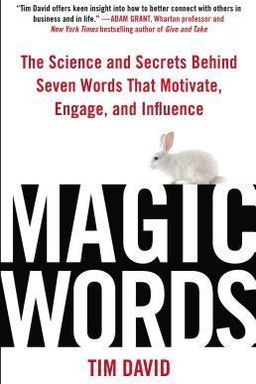
When was the last time you said something that instantly changed another person’s mind—or heart? In Magic Words, magician-turned-communication expert Tim David argues that true influence doesn’t come from tricks, manipulation, or even charm—it comes from human connection. Through a blend of psychology, linguistics, and storytelling, he shows that the smallest shifts in the words you use can produce extraordinary changes in how people think, feel, and act. This isn’t a book about performing linguistic magic; it’s about using language to connect and motivate effectively.
David’s central claim is both simple and profound: every word you speak changes the neurochemistry of those who hear it. Whether at home or at work, language doesn’t just convey information—it shapes perception, emotion, and action. The problem, he says, is that most of us wield this power like untrained craftsmen. We “wing it,” hoping our words land well, unaware that a single misplaced phrase can kill motivation, invite defensiveness, or crush trust. The solution? Learning the deliberate use of seven “magic words” that consistently inspire connection and movement.
Why Words Matter More Than Ever
In a world dominated by texts, emails, and screens, your words carry more weight because tone and body language often disappear. David confronts the misinterpretation of Albert Mehrabian’s well-known communication rule—that only 7 percent of communication comes from words—by pointing out that while body language matters, words remain vital, especially when we communicate in writing. What truly matters isn’t what you say or even what you mean, but what people hear. Every sentence has an effect on the listener’s brain, and understanding that is the first step toward intentional communication.
The Brain’s Shortcuts and the Power of Words
David explains that our brains are lazy, constantly searching for shortcuts to survive an overwhelming world of stimuli. Just as we flinch at loud noises or salivate at the smell of food, certain words trigger automatic emotional and behavioral responses. These verbal cues—his “magic words”—bypass rational defenses and tap into instinctive human reactions. The key, David insists, is to use these triggers with integrity. Like an ax, communication is powerful—it can build or destroy depending on the wielder’s intention. He advises readers to apply the “public relations test”: would you be comfortable if your words were broadcast publicly? If not, your intent might be self-serving rather than constructive.
From Manipulation to Motivation
Throughout the book, David draws a distinction between manipulation and influence. Both change minds, but the difference lies in purpose. Great manipulators like Mother Teresa and Martin Luther King Jr. used words to move nations, not for personal gain but for collective betterment. True communicators, says David, motivate by awakening internal drive rather than imposing will. That’s why the book moves from traditional ideas of persuasion (“getting people to do stuff”) to a deeper idea of connection: creating the conditions in which others act willingly.
The Seven Magic Words
Each chapter introduces one word and reveals its psychological underpinnings and practical use:
- “Yes” – Opens doors to connection and agreement, triggering acceptance and possibility instead of defense.
- “But” – The great eraser: erases what comes before it, amplifies what comes after; can build rapport or destroy it instantly.
- “Because” – Satisfies the brain’s craving for reasons and meaning; connects motive to action.
- Their Name – Captures attention like magic and satisfies our innate need for significance.
- “If” – Unlocks imagination and removes psychological resistance, creating space for creative, hypothetical thinking.
- “Help” – Builds connection through vulnerability and partnership, fostering interdependence rather than dependency.
- “Thanks” – Cultivates gratitude, strengthens relationships, and drives motivation through appreciation.
By mastering these seven linguistic keys, you don’t just improve communication—you transform it into influence built on authenticity, empathy, and clarity. David’s argument comes down to this: the magic isn’t in the tricks; it’s in the trust. When used consciously, your words can awaken cooperation, ignite motivation, and remind people they matter. In his words, “Connection is what’s really important. At the end of our lives, we will look back most fondly at the deep connections we’ve made and the relationships we’ve had. Human connection—that’s real magic.”