
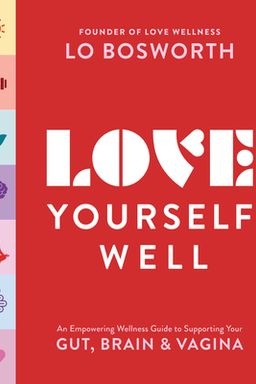
Love Yourself Well cover

Love Yourself Well

by Lo Bosworth

Love Yourself Well is an empowering guide for women to optimize their health by understanding the vital connection between the gut, brain, and vagina. Lo Bosworth shares insightful strategies and natural remedies to help women reclaim their wellness and live vibrant, pain-free lives.

Loving Yourself Well Through Body Intelligence

Have you ever felt like your body was shouting for help—but no one, not even your doctors, seemed to be listening? In Love Yourself Well, entrepreneur and wellness advocate Lauren Bosworth argues that true health begins when you start to hear—and honor—what your body is trying to tell you. After years of anxiety, chronic infections, and medical dismissal, Bosworth discovered that loving yourself well required becoming your own health advocate, integrating mind and body through awareness, nutrition, and education.

This book bridges memoir, science writing, and lifestyle coaching to craft a holistic wellness philosophy. Bosworth contends that the health of your gut, brain, and vagina—what she calls the GBV axis—is deeply interconnected, influencing everything from your mood to your immune system. Through her story of illness, recovery, and entrepreneurship, she demonstrates that self-advocacy, body literacy, and microbiome support can transform how women experience their health.

The Crisis of Being Unheard

Bosworth begins with her own health collapse in 2014. Living in New York, she suffered relentless panic attacks, fatigue, brain fog, and recurring infections, yet medical specialists dismissed her concerns as psychological. Her journey captures a familiar dilemma for many women: when symptoms defy easy categorization, the healthcare system often minimizes them. Finally, a vitamin deficiency uncovered after eighteen months validated her intuition that something was physically wrong. That single discovery—of being right about her own body—sparked a deeper mission.

From there, Bosworth reframed the experience as a call to action. Her story is not simply about getting well; it’s about reclaiming authority from a system that historically pathologizes female experience (Freud’s theory of “hysteria” being one infamous example she revisits later). When women internalize the idea that their bodies are unreliable, she argues, they lose the ability to advocate effectively. The first step to wellness, then, isn’t a supplement or diet—it’s trusting your own experience.

The Gut-Brain-Vagina Axis

The heart of Bosworth’s approach is the concept of the GBV axis, a three-way system connecting your gut, brain, and vagina via neural, immune, and hormonal pathways. Each organ supports the others’ microbiomes—communities of bacteria and fungi that regulate digestion, mood, and reproductive health. When one becomes “leaky” or imbalanced, problems cascade through the entire system: leaky gut weakens vitamin absorption, contributing to anxiety and inflammation; leaky brain disrupts cognitive clarity; and leaky vagina increases infection risk. The cure, she suggests, lies in restoring microbial harmony through nutrition, lifestyle, and mindfulness.

“It’s all connected,” she insists. A lifetime of antibiotics, stress hormones, processed food, and under-informed gynecological care can sabotage the invisible ecosystems that keep women well. Her discovery of boric acid and probiotics for vaginal health—after four doctors failed to recommend them—became the seed for her company, Love Wellness, which aims to make safe, doctor-formulated products accessible. Her dual role as patient and entrepreneur underscores a larger point: women must fill the gaps left by conventional medicine.

The Science of Self-Advocacy

Bosworth doesn’t promote abandoning medical care; instead, she calls for empowered self-advocacy. That means asking better questions, demanding appropriate testing, and bridging the silos that separate gynecology from neurology and gastroenterology. Women’s medicine, she notes, still lags behind: until the 1990s, women in their reproductive years were systematically excluded from drug trials, leading to errors in dosage and diagnosis. By combining functional medicine insights with mainstream science, she presents a model that is both pragmatic and revolutionary.

Her “be the bad patient” philosophy encourages assertiveness without aggression. If you’re told it’s “all in your head,” she advises, reframe it as data misinterpretation, not personal failure. Keep logs of symptoms, follow up persistently, and never hesitate to change providers. These small acts of resistance reclaim a sense of agency and can literally change medical outcomes.

Three Principles for Loving Yourself Well

From her story emerge three guiding principles:

  • Listen to your body. Tune into signals like exhaustion, anxiety, bloating, or recurrent infections as forms of communication. They are not random or exaggerated—they are messages about imbalance.
  • Recognize that it’s all connected. Your microbiomes collaborate. Treating digestion, cognition, and sexual wellness as separate silos misses the underlying system uniting them.
  • Make an effort. Healing isn’t passive. It means restructuring everyday habits: diet, sleep, exercise, and even how you handle your phone or skincare can nurture or harm your microbial allies.

For readers accustomed to “easy fixes,” this message lands as both compassionate and demanding. Bosworth’s willingness to “get unglamorous”—discussing yeast infections, bowel movements, or panic attacks—breaks the cultural silence around women’s bodies and mental health. Where other wellness guides stop at affirmations, she insists that self-love is biochemical.

Why It Matters

Health, she argues, is the foundation for everything else: love, work, creativity, joy. If your physical systems are inflamed or depleted, no external achievement can compensate. That’s why Love Yourself Well aims to realign self-care with science. Like books such as Sarah Gottfried’s The Hormone Cure or Dr. Jolene Brighten’s Beyond the Pill, it empowers women to take control of health once dismissed as “female trouble.” But Bosworth’s signature contribution lies in her narrative: she writes as a patient who lived the chaos and found meaning in connecting the dots.

“Ultimately,” Bosworth writes, “our health is up to us. We have to take control of our own wellness by being informed and pushing back if we feel dismissed. It is within our power to feel good.”

Across fifteen chapters, Bosworth outlines how to seal “leaks” in your body’s physical and emotional systems, balance your GBV axis, eat well, detox gently, manage stress, and rediscover pleasure. Her story becomes a manifesto for modern wellness—less about chasing perfection, and more about returning to wholeness through informed, embodied care.


Empowered Self-Advocacy in Modern Medicine

Lauren Bosworth begins her roadmap to wellness with a sharp critique of the historical and ongoing biases embedded in women’s healthcare. The first chapter, “Empowered Self-Advocacy,” explores how centuries-old myths—like the idea of “female hysteria”—still echo in the way women’s pain is minimized today. She interweaves historical examples, modern anecdotes, and practical tools for anyone who has ever been told, “It’s just hormonal,” or “Take an Advil.”

From ‘Hysteria’ to Hormones: The Roots of Medical Dismissal

Bosworth resurrects the origin of the word hysteria—derived from the Greek word for uterus, hystera—to highlight how women’s bodies have long been medical scapegoats. Nineteenth-century doctors like Sigmund Freud attributed women’s anxiety or irritability to a “wandering womb.” If a woman cried or disagreed, she was considered ill. Men behaved similarly, of course, but were praised for “passion” rather than punished for “instability.” Bosworth points out how this outdated mindset still lingers: today, women experiencing pain or fatigue are often told it’s stress or hormones rather than a legitimate physical issue.

Real Stories of Being Ignored

In her conversations with friends and advisors, Bosworth finds this isn’t just history—it’s an ongoing crisis. One woman went through years of unbearable menstrual cramps only to be dismissed repeatedly with “Take an Advil.” She was later diagnosed with endometriosis. Another suffered from severe bloating and was told she was “being emotional” until a hospital visit revealed an ovarian cyst the size of a football. “The pattern is clear,” Bosworth writes: doctors often assume women exaggerate, and women, raised to be polite, hesitate to challenge authority.

The Cost of Convenience Care

Time-pressured appointments and telemedicine amplify the problem. A “five-minute fix” culture doesn’t allow for meaningful inquiry or pattern recognition across systems. Women, facing long wait times, self-diagnose and self-medicate with leftover antibiotics, perpetuating antibiotic resistance and microbiome imbalances. Bosworth sees this as both a systemic and cultural ailment—our obsession with convenience undermines our connection to our own bodies.

Becoming the ‘Bad Patient’

Bosworth provocatively urges readers to “be the bad patient”—not rude, but assertive, prepared, and persistent. She provides practical steps: record symptoms in a health diary; prepare questions in order of priority; insist on lab tests; and if dismissed, say calmly, “I don’t feel like I’m being heard.” Seek second or third opinions when necessary. This assertiveness may disrupt the doctor’s authority script, but it’s essential self-advocacy.

“Think of a doctor’s visit like being on a reality show,” Bosworth quips. “You’re not there to make friends.”

Annual Self-Care as Preventive Medicine

Beyond crisis management, Bosworth proposes systematizing wellness through annual check-ins—turning your birthday month into “Check-Up Day.” Her suggested list of tests includes basic blood work (with vitamin D and B levels), thyroid scans, PAP smears, and dermatological screenings. These modest habits, she argues, could preempt much suffering like her own undiagnosed deficiencies. Functional medicine advocates such as Mark Hyman and Aviva Romm have made similar arguments, but Bosworth’s contribution is making it emotionally resonant for younger, lifestyle-focused readers.

In the end, empowered self-advocacy is less about rebelling against doctors than about partnering with them as equals. Once women stop apologizing for seeking answers, Bosworth believes, the culture of medicine will start to shift. “You are the CEO of your health,” she reminds readers. “Doctors are your consultants.”


Healing the Microbiome: Gut as Foundation

Bosworth’s concept of the “leaky gut” serves as the backbone of her wellness framework. She invites readers to picture the digestive tract as a living ecosystem—a long, doughnut-shaped tube hosting trillions of bacteria that help regulate everything from nutrient absorption to mood. When this inner world falls out of balance, she warns, your entire wellbeing follows.

The Inner Skin

Your gut wall, she explains, is your inner skin, an interface that allows nutrients to pass into your bloodstream while blocking toxins. But constant exposure to antibiotics, alcohol, caffeine, and processed foods can weaken those “tight junctions,” allowing unwanted molecules—undigested food, allergens, and microbes—to leak into your circulation. This biochemical breach triggers inflammation, fatigue, allergies, and even mental fog.

Functional medicine practitioners like Dr. Gabrielle Francis, whom Bosworth quotes extensively, estimate that up to 70% of Americans have some degree of intestinal permeability. Bosworth builds on this by connecting gut integrity to immune resilience and hormonal balance, emphasizing that immunity begins in the gut. Her metaphor: if your inner firewall is down, every unwanted virus or toxin gains access.

The Role of the Microbiome

Bosworth highlights the microbiome’s role as both a nutrient factory and a peacekeeper. When beneficial bacteria dominate, they produce short-chain fatty acids like butyrate that repair the gut lining and calm inflammation. But antibiotic overuse—the defining trait of what she calls the “Antibiotic Generation”—can decimate these populations, leading to chronic problems like fatigue and yeast infections.

“A healthy gut is a sealed fortress,” she writes, “not a leaky sieve.”

Food as Medicine

To heal this fortress, Bosworth turns to functional nutrition: eat more plants, minimize gluten (“it loosens junctions through the protein zonulin”), and feed your bacteria with soluble fiber from apples, oats, asparagus, and garlic. Her formula for gut harmony—“prebiotics + probiotics = postbiotics”—is a catchy encapsulation of how to nurture microbial cooperation. She even references scientific studies showing how fiber fermentation in the colon yields butyrate, which has been linked to improved mood and metabolism.

Bosworth’s tone combines evidence-based optimism with kitchen-table practicality. She recommends supplementing α-glutamine to strengthen the intestinal lining and using mindful eating practices—like slowing down your meals and fasting overnight—to give your gut rest. These small choices, she promises, are cumulative antidotes to years of imbalance.

Ultimately, “loving yourself well” starts in the gut because it’s where everything begins: nutrients, immunity, and the delicate conversation between mind and body. The gut’s condition narrates your story—from your mood and skin to your energy and libido. The more fluent you become in its signals, the closer you move toward true wellness.


Balancing the Brain: Healing Mental Fog and Fatigue

Where most wellness books either romanticize intuition or glorify willpower, Bosworth sits in between, grounding emotional clarity in neurobiology. “Leaky brain,” she writes, happens when inflammation breaches the blood-brain barrier, letting toxins and immune molecules impact cognition. The result? Fog, anxiety, depression, and exhaustion—symptoms she once mistook for burnout.

How the Brain Cleans Itself

Bosworth introduces the glymphatic system—a nightly cleansing process where cerebrospinal fluid washes away waste from neural tissue. The catch: it only activates during deep sleep. If you skimp on rest or flood your body with caffeine and blue light, your brain literally can’t take out its trash. Over time, those toxins accumulate, dulling your focus and destabilizing your mood. Her takeaway: “No sleep, no sweep.”

She cites sleep researcher Dr. Michael Breus, who explains that sleep cycles alternate between light, deep, and REM stages, each contributing to brain health. The solution isn’t just more hours but better hygiene—consistent sleep times, no screens an hour before bed, and skipping alcohol, which disrupts deep cycles. This emphasis on circadian discipline links gut and brain health through rhythm: when your body clock stabilizes, so does your mood.

Eat for Energy, Think Clearer

Bosworth’s “anti-puff” diet reads like neuroscience for your plate. She advocates antioxidant-rich foods—berries, leafy greens, turmeric—because oxidative stress (cellular rust) ages your neurons as surely as metal corrodes in air. Antioxidants neutralize these “free radicals,” mitigating cognitive decline. This advice parallels scientific findings from Andrew Weil and David Perlmutter on inflammation and neurodegeneration, grounding her holistic advice in mainstream science.

She extends brain care beyond food: movement boosts blood flow and neurogenesis (“You can literally grow new brain cells by walking”), while creative play and social connection stimulate neural plasticity. The invitation is joyful, not punitive. Healing the brain, she suggests, feels less like discipline and more like curiosity—learning new instruments, traveling, or just dancing in your kitchen may do as much for your mental clarity as any supplement.


Reclaiming the Vagina: The Forgotten Organ

Perhaps the boldest section of Bosworth’s book is her deep dive into vaginal health—the third pillar of her GBV model. Here, she blends humor, frankness, and science to dismantle taboo. “Your vagina has more in common with your gut than you think,” she writes, introducing readers to the vaginal microbiome, a delicate ecosystem dominated by Lactobacillus bacteria that keep the area acidic and self-cleansing.

Leaky Vagina and Everyday Sabotage

Modern hygiene products, Bosworth argues, often do more harm than good. Scented soaps, douches, and lubricants disrupt pH and destroy good bacteria, inviting yeast and infection. She recounts absurd examples from history—like Lysol being marketed as a feminine wash—and laments that such coercion persists in subtler form through “lavender fresh” marketing. Her fix is simple yet radical: expose the truth that a vagina should smell like itself, not flowers. “A healthy vagina smells like a vagina.”

For chronic infections, she revisits her own discovery of boric acid suppositories and probiotics, now widely validated by gynecologists. This intervention healed what years of Diflucan prescriptions had failed to. She ties this to systemic issues: women’s reproductive tract research has been underfunded for decades, leaving generations without effective guidance. Her company’s mission to normalize boric acid access thus becomes both entrepreneurial and activist.

Bodies, Boundaries, and Confidence

Bosworth’s practical advice feels maternal yet modern: choose breathable underwear, wash with water or pH-balanced cleansers, change tampons every four hours, and prioritize masturbation as medicine. Yes—pleasure, she insists, is part of health. Orgasms release oxytocin, which lowers stress hormones and improves immunity. Far from self-indulgent, self-touch becomes physiological regulation.

She also champions pelvic floor health through Kegel exercises and physical therapy, citing Dr. Shweta Desai’s work on postpartum rehabilitation. By strengthening the “hammock of muscles” that support bladder and uterus, women reclaim both physical and emotional stability. Her mantra—“You have to talk about it to heal it”—urges openness; silence and shame are the real pathogens.

By normalizing vaginal discourse, Bosworth expands the definition of self-love from bubble baths to biome literacy. Loving yourself well, she concludes, means knowing your anatomy intimately enough to defend it, care for it, and celebrate it without apology.


Pathways of Connection: The Body’s Communication Highway

In the book’s scientific core, Bosworth maps out how the body’s three networks—nervous, immune, and endocrine systems—form bridges between the gut, brain, and vagina. These are the “pathways” through which imbalance in one area ripples throughout your entire physiology.

The Vagus Nerve: Your Body’s Peace Switch

The star of this chapter is the vagus nerve, Latin for “wanderer,” a single superhighway that connects your brainstem to nearly every major organ, including the cervix. It toggles between fight-or-flight and rest-and-digest states, controlling stress response. Strengthening it through cold therapy, deep breathing, humming, laughter, and social bonding helps reduce inflammation and fosters calm. This science-backed mindfulness practice makes “self-care” literal: your vagus tone determines your resilience.

The Immune System: The Internal Army

Bosworth likens the immune system to a defense network patrolling the borders of selfhood, constantly distinguishing between “me” and “not-me.” The gut’s mucosal layer (GALT) and the vagina’s counterpart (VALT) produce most of your antibodies, acting as physical and biological barriers to infection. She delights in calling mucus “nature’s bouncer”—not gross, but glorious. A strong mucus layer, fortified by plant fiber and probiotics, is your first line of defense.

The Endocrine System: Hormonal Harmony

Finally comes the hormonal network, the unseen courier of chemical messages. Bosworth demystifies endocrine interactions through relatable examples: cortisol rises during stress while estrogen drops, blunting desire; oxytocin released through intimacy counterbalances anxiety; and disruptions from plastics or pesticides can mimic estrogen, confusing your internal messaging. The microbiome, she claims, might be the true “endocrine organ,” orchestrating the production of serotonin, dopamine, and other mood regulators.

Her takeaway is profound: harmony isn’t about silencing symptoms but aligning communication loops across systems. When your nerves, immune defenses, and hormones “speak the same language,” she says, the body achieves homeostasis—the blissful balance she calls body harmony.


The Love Wellness Plan: A Five-Week Blueprint for Balance

To translate philosophy into lifestyle, Bosworth delivers a structured, practical five-week plan to reset the body. Co-created with dietitian Janine Higbie, the Love Wellness Plan blends nutrition, detox, and behavior modification to help you seal “leaks” and restore GBV axis balance. Think of it as a science-meets-self-care boot camp.

Week 1: Prep and Awareness

The journey begins with small-shift preparation: tapering off caffeine, reducing toxins in your home, and gathering essentials—the “Essential Five” supplements (multivitamin, omega-3s, fiber, probiotics, and L-glutamine). Sleep and breathing techniques set the foundation. Bosworth emphasizes gentleness: “It’s not a detox; it’s a reunion with your body.”

Week 2: Less of the Bad Stuff

The second week removes disrupters: gluten, refined sugar, alcohol, caffeine, and processed food. She calls this phase “clean slate” living. She doesn’t preach perfection but balance, allowing two drinks per week and occasional indulgences once healed. The goal isn’t restriction—it’s awareness of how inputs influence mood and digestion.

Week 3: More of the Good Stuff

Add back color and diversity—literally. “Eat the rainbow,” she instructs, because each pigment carries different phytonutrients. She introduces resistant starches, fermented foods, and hydration targets, noting that half your body weight in ounces is your water goal. Movement and mindfulness deepen the gains.

Week 4 and 5: Bliss and Balance

Weeks four and five integrate fats, proteins, and pleasure. Omega-3s calm inflammation while probiotics sustain the microbiome. She encourages embracing rhythm: circadian eating, morning sunlight, and 21/90 rule—twenty-one days to form habits, ninety to cement them. Laughter, orgasms, and social connection become not extras but daily medicine.

Each chapter’s “At a Glance” checklist keeps it actionable: eat clean, rest deeply, breathe consciously, and move daily. This is wellness stripped of gimmicks and steeped in realism—achievable, flexible, and humane. For Bosworth, healing doesn’t end in Week 5; it evolves into lifelong partnership with your body.

Through this plan, Bosworth redefines wellness not as detox or diet but as Devotion to Dialogue—listening, adjusting, forgiving, and recommitting. You emerge not purged but peaceful, not perfect but profoundly connected.

Dig Deeper

Get personalized prompts to apply these lessons to your life and deepen your understanding.

Go Deeper

Get the Full Experience

Download Insight Books for AI-powered reflections, quizzes, and more.