
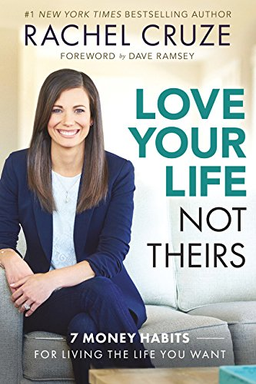
Love Your Life, Not Theirs cover

Love Your Life, Not Theirs

by Rachel Cruze

In ''Love Your Life, Not Theirs,'' Rachel Cruze guides readers through seven transformative money habits. This engaging book addresses financial comparison, promotes informed spending, and encourages debt-avoidance for a financially stable and authentic lifestyle. Gain practical insights for long-term financial well-being and personal fulfillment.

Love Your Life, Not Theirs: Breaking Free from the Comparison Trap

Have you ever scrolled through social media and suddenly felt dissatisfied with your own life? In Love Your Life, Not Theirs: 7 Money Habits for Living the Life You Want, financial educator Rachel Cruze asks this simple but powerful question—and then delivers a clear, uplifting answer. She argues that the constant comparison driven by today’s social media culture is robbing us of both happiness and financial peace. Her message: stop trying to live someone else’s highlight reel and start building a life you genuinely love. At its heart, the book teaches that financial freedom isn't about having more; it’s about aligning your money with your values and creating habits that let you enjoy your own life without the weight of debt and envy.

Cruze—daughter of personal finance legend Dave Ramsey—frames the book around seven transformative money habits: quitting comparisons, steering clear of debt, making a plan for your money, talking about money even when it’s uncomfortable, saving with intention, spending smartly, and cultivating a lifestyle of giving. Each habit unfolds through relatable stories, biblical wisdom, and practical advice. Together, these habits form not just a financial transformation plan but a mindset shift—from chasing appearances to embracing authenticity.

Why Comparison Is a Financial Trap

Cruze opens with her own story scrolling through Instagram after a great trip to Charleston with her husband, Winston—only to find herself envious of a fashion influencer’s luxurious vacation in Greece. That moment crystallized for her how easy it is to let someone else’s curated life diminish your own joy. This is the heart of the comparison problem: you start spending money to chase someone else’s lifestyle instead of living your own. She calls social media the new Joneses we carry in our pockets—always broadcasting filtered versions of success that distort reality.

Cruze argues that comparison doesn’t only steal joy—it sabotages financial health. Seeing others’ curated happiness tempts you to buy, borrow, or spend simply to feel equal. In truth, those “Joneses” may be drowning in debt, no matter how shiny their Instagram feed looks. The antidote? Contentment, gratitude, and a focus on your own values. When you stop measuring by someone else’s yardstick, you begin to make choices that actually fit your life.

Money Habits That Change More Than Your Bank Account

Central to Cruze’s philosophy is the idea that your habits create your financial reality. Inspired by Charles Duhigg’s book The Power of Habit, she explains that our money behaviors—from shopping impulsively to ignoring budgets—operate on autopilot until we deliberately change them. Just as she built a new habit of waking up early to center her mornings, Cruze teaches readers that healthy financial habits don’t happen by accident. They’re created through conscious practice.

The seven money habits are actionable yet deeply reflective. They start with emotional honesty—recognizing how comparison and insecurity drive spending—and extend to practical systems: budgeting, saving, planning, and giving. That combination makes this book a conversation between financial discipline and emotional well-being. Cruze integrates personal anecdotes, Scripture (like Philippians 4:11 on contentment), and modern psychology to illustrate how the habits work together to foster peace and joy.

A Countercultural Approach to Money

Cruze’s perspective feels especially relevant in a culture that equates success with luxury. She takes aim at what her father calls “normal”—a lifestyle dependent on credit cards, car payments, and financial anxiety. In contrast, she champions simplicity, transparency, and planning money around what you truly value. She reminds the reader that, in the end, debt isn’t an emblem of prosperity; it’s a symptom of misplaced priorities. True abundance comes from gratitude, generosity, and self-control.

That’s why giving caps her seven habits. For Cruze, generosity isn’t what you do once you’re rich—it’s how you become rich in spirit. When you align your spending with empathy and purpose, money becomes a tool for good rather than stress. Her final message: you don’t need more money to love your life; you need the right habits to live it intentionally.

Why It Matters Today

At a time when comparison culture drives both emotional exhaustion and consumer debt, Cruze’s message feels both empowering and necessary. Her blend of timeless principles and contemporary stories redefines success—not as luxury or image, but as peace of mind built through gratitude and daily discipline. Love Your Life, Not Theirs is not just about fixing finances; it’s about reclaiming contentment and courage in a world obsessed with appearances. The book asks you to take control of your money so you can take back your joy—and reminds you that your happiest life isn’t anyone else’s to live.


Quit the Comparisons

Cruze begins her first habit—Quit the Comparisons—by tackling the invisible pressure that drives much of our unhappiness and overspending. She opens with vivid personal stories: scrolling through an influencer’s Greek island photos and suddenly feeling that her own Charleston vacation was inadequate; or seeing a friend’s magazine-perfect kitchen and wanting to remodel hers immediately. These seemingly innocent thoughts reveal a larger truth: comparison doesn’t just shape feelings—it shapes financial decisions.

The Social Media Illusion

Cruze calls social media the “Joneses in our pockets.” Thirty years ago, you had to see your neighbor’s new car to feel envy. Today, envy arrives in seconds from someone’s filtered vacation post. This instant connection to others’ lives fuels the illusion that everyone else is happier, wealthier, and more successful. But it’s only an illusion: filters, curated highlights, and selective snapshots distort reality until we start comparing our behind-the-scenes to others’ highlight reels.

To counter this, Cruze urges readers to remember that what looks #blessed online might really be #broke. She jokes that no one ever posts their rusted, paid-for ’92 Camry with the hashtag #blessed, although that older car might represent true financial health. The simple act of remembering that most people’s feeds are polished illusions can help you reclaim gratitude for what’s real.

Finding Contentment Through Perspective

Cruze teaches that the cure for comparison living is contentment. Contentment isn’t resignation—it’s emotional freedom. When you appreciate your life as enough, you stop chasing artificial milestones. She quotes Philippians 4:11: “I have learned to be content whatever the circumstances.” Contentment allows you to cheer others’ success without feeling indebted to imitate them. Cruze encourages a shift from competition to celebration; instead of seeing others’ success as a threat, see it as proof that good things are possible for you too.

Five Principles to Quit Comparisons

  • Change Your Perspective: Recognize that stuff doesn’t equal wealth, and wealth doesn’t equal stuff. The friend with the luxury car might be drowning in loans, while the real millionaire drives a used Honda.
  • Cheer Each Other On: Replace jealousy with encouragement. Celebrate others genuinely—their success isn’t your loss.
  • Stop Looking to Your Parents’ Lifestyle: Don’t expect to live like them on a starter salary. Comparing your beginning to someone else’s decades of progress leads to frustration.
  • Redefine “I Deserve It”: Entitlement turns wants into unhealthy spending. You deserve what you can afford with cash, not what debt enables you to rationalize.
  • Own Your Stuff: Cruze repeats her father’s mantra: “It’s okay to have nice stuff; just don’t let your nice stuff have you.”

Gratitude and Humility as Antidotes

Cruze closes the chapter by identifying two emotional tools to defeat comparison: gratitude and humility. Gratitude shifts your focus to what you already have. Humility reminds you that life isn’t a race for status but a journey of personal growth. She quotes C. S. Lewis: “Humility is not thinking less of yourself, but thinking of yourself less.” Together, gratitude and humility allow you to love your life—not theirs.

This first habit frames the entire book’s philosophy: financial peace is an inside job. It begins with accepting that your worth isn’t measured by what you own, but by how you live. When you quit comparing and start owning your values, you take your first genuine step toward a happier, debt-free life.


Steer Clear of Debt

Once you stop comparing, you can start focusing on your own financial health—and Cruze’s second habit, Steer Clear of Debt, is the cornerstone of lasting freedom. Raised in a debt-free household, Rachel witnessed firsthand the pain of debt when her parents declared bankruptcy after her father’s business collapse. It changed their family’s trajectory forever. From that experience, she inherited what she calls a 'four-letter word' approach to debt: absolute avoidance.

The Dead-End of Debt

Debt promises freedom and delivers slavery. Cruze quotes Proverbs 22:7: “The borrower is slave to the lender.” Debt shifts control of your paycheck from you to creditors. You don’t decide how to use your money anymore; they do. She emphasizes that financial stress manifests emotionally—worry, tension, and fear. It robs you not only of income but of peace.

Cruze illustrates how debt creeps in through cultural lies: that certain debts are 'good' (student loans or car payments), or that credit cards are harmless tools of convenience. She dismantles both myths. Debt isn’t neutral—it manipulates behavior, delays dreams, and limits options. Her blunt definition: “Debt is owing anything to anyone for any reason.”

Why Debt Feels Normal

Cruze describes how “normal” culture glorifies debt. From college loans to 0% car financing to credit card rewards, the system is designed to convince you that paying later is smart. But normal is broke. She warns that ‘normal families’ spend decades serving banks instead of building wealth. Real freedom comes when monthly income isn’t chained to monthly payments.

The Debt Snowball

To escape debt, Cruze teaches the famous debt snowball method developed by her father. List debts smallest to largest by balance. Pay minimums on all except the smallest, which you attack with every dollar possible. When it’s gone, roll that payment into the next debt until all are erased. Quick wins build motivation, and the snowball grows faster over time. Most families can be debt-free within two years using this approach.

A Life Without Payments

Cruze paints a vivid picture: imagine paycheck days with zero payments—no credit cards, no car loans, no student debt. Suddenly, every dollar is free for choices you value: travel, savings, generosity. Freedom isn’t just financial; it’s emotional. She calls this “margin”—space to breathe and live without anxiety. The greatest trade-off for living without debt is temporary sacrifice (no instant gratification) in exchange for permanent peace.

By confronting cultural myths and practicing accountability, Cruze reframes debt-free living as an act of rebellion against a world selling dependency. To steer clear of debt is not to avoid pleasure—it is to reclaim autonomy. It’s saying no today so you can say an unqualified yes tomorrow.


Make a Plan for Your Money

The third habit, Make a Plan for Your Money, redefines the dreaded 'B word': budget. Cruze admits she once saw budgets as restrictive straightjackets. But through experience—and an expensive guacamole incident at a Florida resort—she learned that budgeting is actually permission to spend, not punishment for spending.

Freedom Through Structure

Cruze explains that freedom and responsibility go hand-in-hand. To live freely, you must live intentionally. A budget doesn't take away fun—it ensures your fun fits within your means. She drew this lesson from her upbringing: her parents gave each child a monthly allowance to manage independently for clothes and activities. If she overspent early in the month, there was no parental bailout; she had to wait until next month. That practical boundary taught her the value of planning ahead.

The Zero-Based Budget

Cruze advocates for the zero-based budget: assign every dollar of income to a category before the month begins, until your total equals zero. This way, every dollar has a job—whether for bills, savings, giving, or spending—and none slip away unnoticed. It transforms budgeting from guesswork into empowerment. She encourages readers to use simple tools, from pen-and-paper to apps like EveryDollar.

Give, Save, Spend

Cruze organizes every budget around three pillars: Give first, Save second, and Spend third. Giving cultivates gratitude; saving builds security; spending fuels enjoyment. She emphasizes planning your spending with emotional awareness—especially for natural spenders like herself. To avoid mindless swiping, Cruze uses a “clip system,” dividing cash into categories with binder clips for groceries, dining, and clothes. When the cash is gone, spending stops.

From Restriction to Permission

In one story, her husband told her to forget the budget and enjoy herself on vacation. Instead of feeling liberated, she panicked when a bowl of chips cost $23. That moment revealed how budgeting had changed her habits—it no longer felt confining; it felt comforting. Cruze sums it up succinctly: “A budget gives you permission to spend.” By planning ahead, she could relax and enjoy without guilt.

This habit shifts you from emotional to intentional money management. It replaces anxiety with clarity. In a world of impulsive consumerism, Cruze reminds that your money is meant to serve you—not the other way around.


Talk About Money (Even When It’s Hard)

Money conversations are often avoided because they’re uncomfortable—but Cruze’s fourth habit, Talk About Money (Even When It’s Hard), reveals they’re essential to healthy relationships. Whether you’re married, dating, or single, talking openly about money builds trust and unity.

Marriage and Money

Cruze draws on her own marriage: she and Winston entered marriage understanding their financial personality differences—she’s a spender and influencer; he’s a saver and planner. By taking a DiSC personality profile before marriage, they learned how their traits complemented each other. That self-awareness prevented conflict later.

She argues that couples who maintain separate bank accounts often end up living separate financial lives—a major cause of marriage tension. “Two become one” applies to money as much as hearts. A joint account forces teamwork, accountability, and shared goals. Separate accounts might feel safer, but they breed secrecy and resentment.

The Communication Habit

Cruze prescribes monthly “budget dates.” Sit down together before each month begins, review expenses, and plan ahead. These sessions aren’t just about dollars—they’re about values. Listen first, speak second. The goal isn’t control; it’s understanding. She cautions planners not to dominate partiers, and urges partiers to bring maturity and participation to the conversation. Shared planning fosters unity.

Psychology of Financial Infidelity

The dark side of silence is financial infidelity—secret spending, hidden accounts, or lying about money. Cruze compares this betrayal to emotional cheating because it violates trust. If uncovered, it can damage a marriage as deeply as an affair. Her solution: transparency and joint oversight. Mutual accountability keeps secrets from festering and restores confidence.

Single or Family Conversations

Even singles should find a trusted accountability partner—someone responsible enough to review budgets and challenge spending. Parents, too, must talk about money with their kids, teaching work ethic, giving, saving, and spending early. Transparency normalizes responsibility and keeps money from becoming taboo.

This habit goes beyond budgeting—it’s about building a culture of trust. When you communicate about money, you transform it from stressor to connector. Talking, even when it’s hard, is how you make sure your financial life reflects your shared dreams—not hidden fears.


Save Like You Mean It

Cruze’s fifth habit, Save Like You Mean It, reframes saving from an optional chore to a lifelong safeguard. She shares a story: one month after her wedding, she wrecked her car outside a post office and was stuck with a $1,000 repair bill. Because she and Winston had an emergency fund, the incident was manageable—not catastrophic. That moment cemented saving as a habit, not a hope.

The Emergency Fund

Cruze urges readers to start with a $1,000 emergency fund—fast. Sell items online, skip eating out, take an extra job. The goal isn’t to earn interest; it’s to earn peace. Once debt-free, expand that fund to cover three to six months of expenses. This safety net transforms emergencies into inconveniences. She explains that an emergency fund should be separate from your checking account and treated as insurance, not investment.

Saving for Life’s Stages

  • Cars: Always pay cash. The average car payment is $500 per month; invest that instead, and you could have millions by retirement. Drive a used, reliable car while saving for the next one.
  • Retirement: After debt freedom, invest 15% of income in tax-favored retirement accounts like 401(k)s or Roth IRAs. Work with advisors who teach, not dictate.
  • College: Fund your own retirement first; then save for kids’ college using ESAs or 529 plans. Avoid loans at all costs.
  • Weddings & Vacations: Plan ahead using monthly sinking funds. Avoid debt-driven celebrations; they’re short-lived compared to the stress that follows.

Delayed Gratification

Saving means saying 'later' to say 'better.' Debt teaches impatience; saving teaches serenity. Cruze likens delayed gratification to virtues learned in parenting—patience, consistency, and discipline. Each time you choose to save instead of spend impulsively, you accumulate both wealth and wisdom.

Saving like you mean it turns peace into practice. It’s not just about future comfort—it’s about present confidence. When you save, you survive crises without fear, enjoy milestones without debt, and prove that freedom isn’t bought—it’s built.


Think Before You Spend

Spending is fun—but Cruze’s sixth habit, Think Before You Spend, teaches that true financial maturity is knowing when to stop. Even wise spenders can fall into traps of impulse and convenience. The lesson is not to spend less, but to spend on purpose—aligning purchases with long-term happiness, not short-term thrills.

Needs and Wants

Cruze introduces the distinction between needs (food, housing, clothing, and transportation) and wants (extras disguised as essentials). Even within needs, she asks readers to separate basics from luxuries. You need a car; you don’t need heated leather seats. You need food; you don’t need $23 guacamole. It’s not deprivation—it’s conscious choice.

Smart Spending Strategies

  • Make a List: Grocery lists and budgets reduce impulse buys and tantrums—especially from kids.
  • Plan Meals: Weekly meal planning saves money and time; it’s budgeting for your food.
  • Buy Smart: Shop for value, not just price. Convenience costs more than you think.
  • Use Cash and Coupons Wisely: Coupons save money only for items you actually planned to buy.
  • Buy in Bulk: Good for essentials, bad for excess. Quantity should serve consistency, not clutter.

Avoiding Emotional Spending

Cruze warns against retail therapy and online shopping ease—two modern temptations. “Advertising,” she says, quoting Will Rogers, “is convincing people to spend money they don’t have for something they don’t need.” She urges awareness of emotional triggers: boredom, stress, or envy often masquerade as spending urges. Recognizing them turns a potential financial wound into self-awareness.

Parenting and Holidays

Families especially face spending pressure through birthdays, holidays, and guilt-driven parenting. Cruze reminds parents that children need boundaries more than stuff. She advocates budgeting for Christmas throughout the year (saving monthly) to avoid “February regret.” Material gifts fade; memories last. The same principle applies to vacations—spend for peace, not prestige.

Thinking before you spend is about awareness. Every swipe, click, or charge represents a choice. Your spending should reflect values, not comparisons. When you pause, plan, and prioritize, every purchase becomes purposeful—and you stop spending yourself broke.


Give a Little… Until You Can Give a Lot

The seventh and final habit, Give a Little… Until You Can Give a Lot, turns money from a personal tool into a communal force. Cruze argues that generosity is the culmination of financial wisdom: when you manage your money well, you can help others live better too. Her stories—from an anonymous dinner gift to a child donating her savings—illustrate that giving transforms not only the recipient, but also the giver.

Why Giving Matters

Cruze believes generosity breaks the cycle of selfishness and comparison. You learn that joy doesn’t come from accumulation but contribution. Quoting 2 Corinthians 9:7, she says, “God loves a cheerful giver.” When giving becomes a habit—not a spontaneous act—it recalibrates how you see your money. You move from scarcity to abundance, from anxiety to gratitude.

How to Start Giving

  • Start Small: Begin with any amount. Like John D. Rockefeller said, “I wouldn’t have been able to tithe a million if I hadn’t tithed my first $1.50.”
  • Automate Consistency: Set recurring drafts for steady giving but stay emotionally connected to the act.
  • Research Charities: Wise generosity requires diligence. Cruze advises checking nonprofit budgets and transparency before donating.
  • Teach by Example: Include children in giving moments so they learn generosity early by watching you.
  • Mix Time, Talent, and Treasure: Giving isn’t just about money—it includes volunteering attention and kindness.

The Ripple Effect

Cruze connects generosity to freedom. Debt steals margin; giving expands it. When you give, you’re saying: I have enough. That mindset ends comparison and invites joy. She tells of a surgeon and his wife who chose to live on 10% of their income so they could give away the rest—an example of value-driven living at its highest level.

Giving, for Cruze, isn’t the end—it’s the beginning of purpose. When you give a little and keep growing into giving more, you move beyond managing money and start mastering life itself. Financial peace culminates not in wealth, but in the ability to make others’ lives better because you loved your own with gratitude and wisdom.

Dig Deeper

Get personalized prompts to apply these lessons to your life and deepen your understanding.

Go Deeper

Get the Full Experience

Download Insight Books for AI-powered reflections, quizzes, and more.